- Hans Weber
- February 26, 2026
A Minister Against the President’s Will?
How President Petr Pavel Forced the Appointment of the New Environment Minister – and Why the Conflict Is Far From Over
Prague.
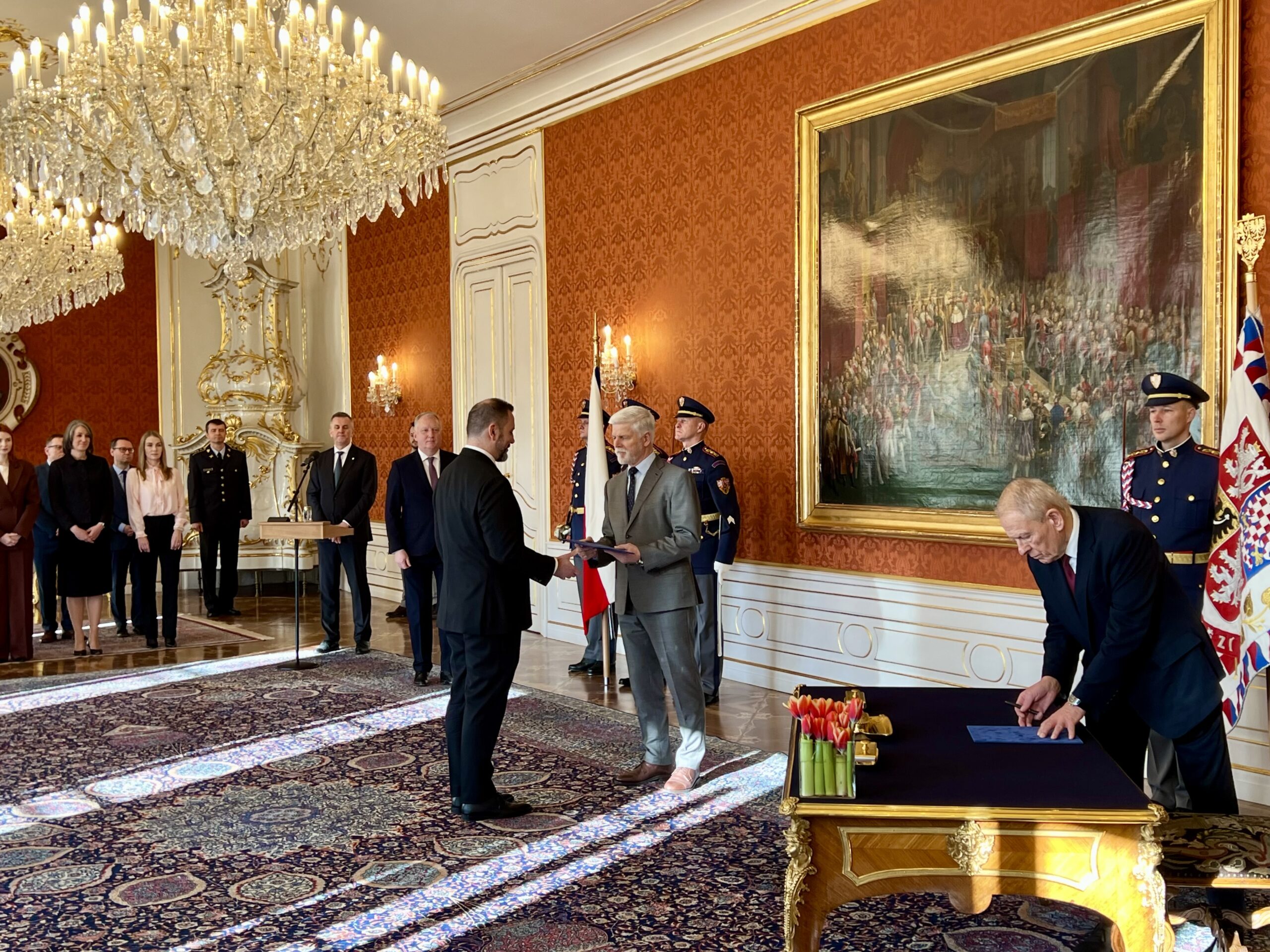
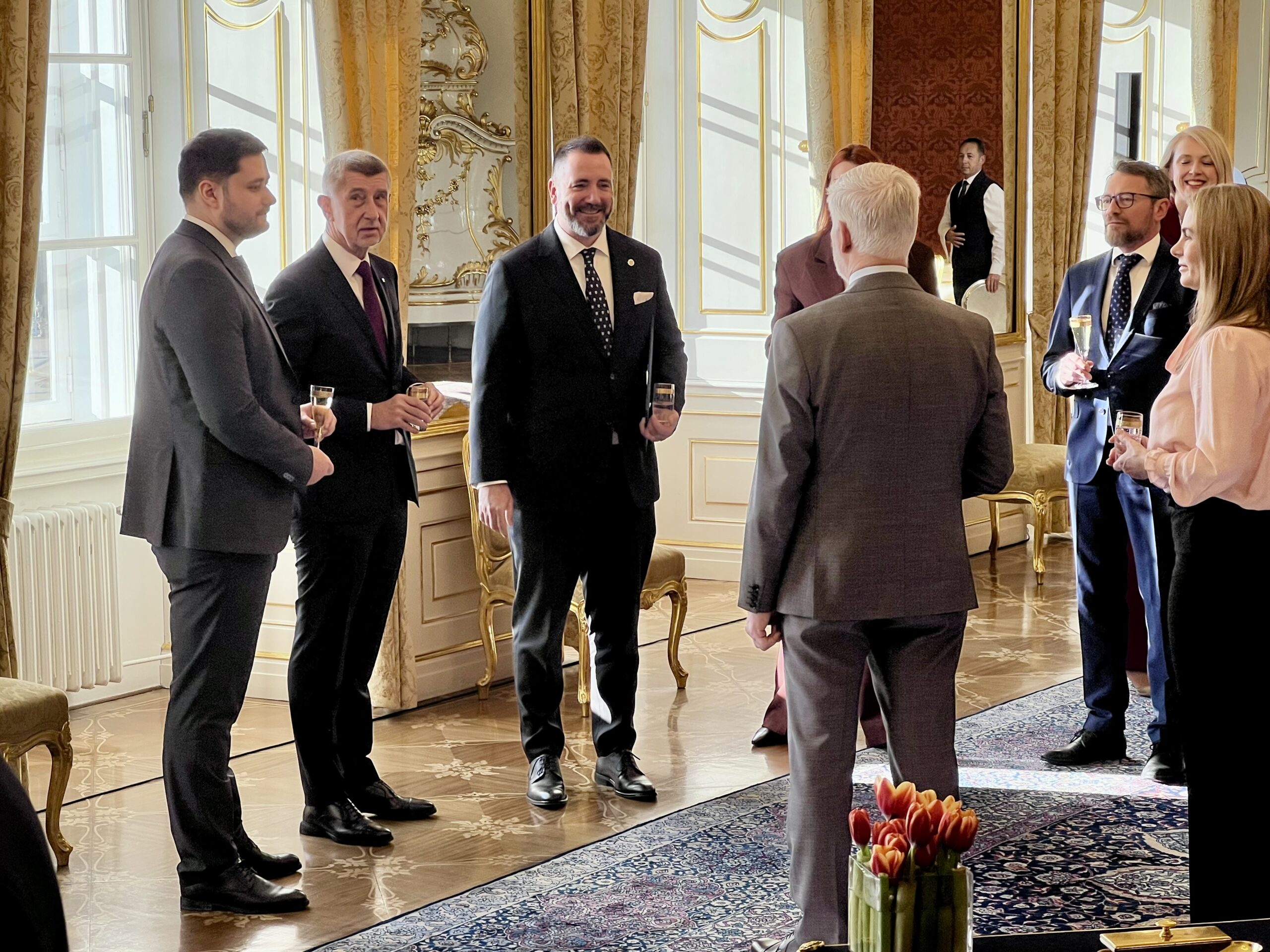
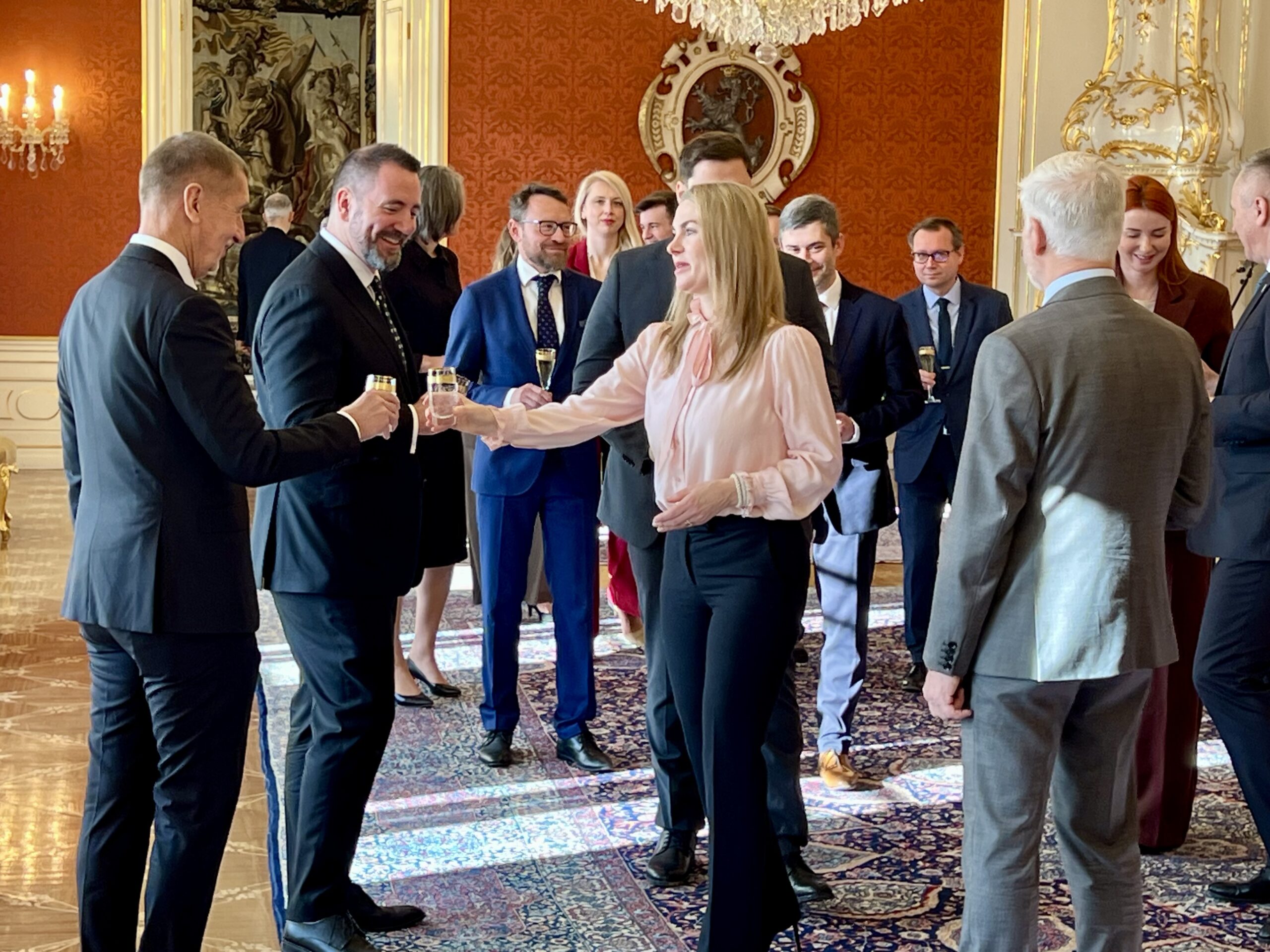
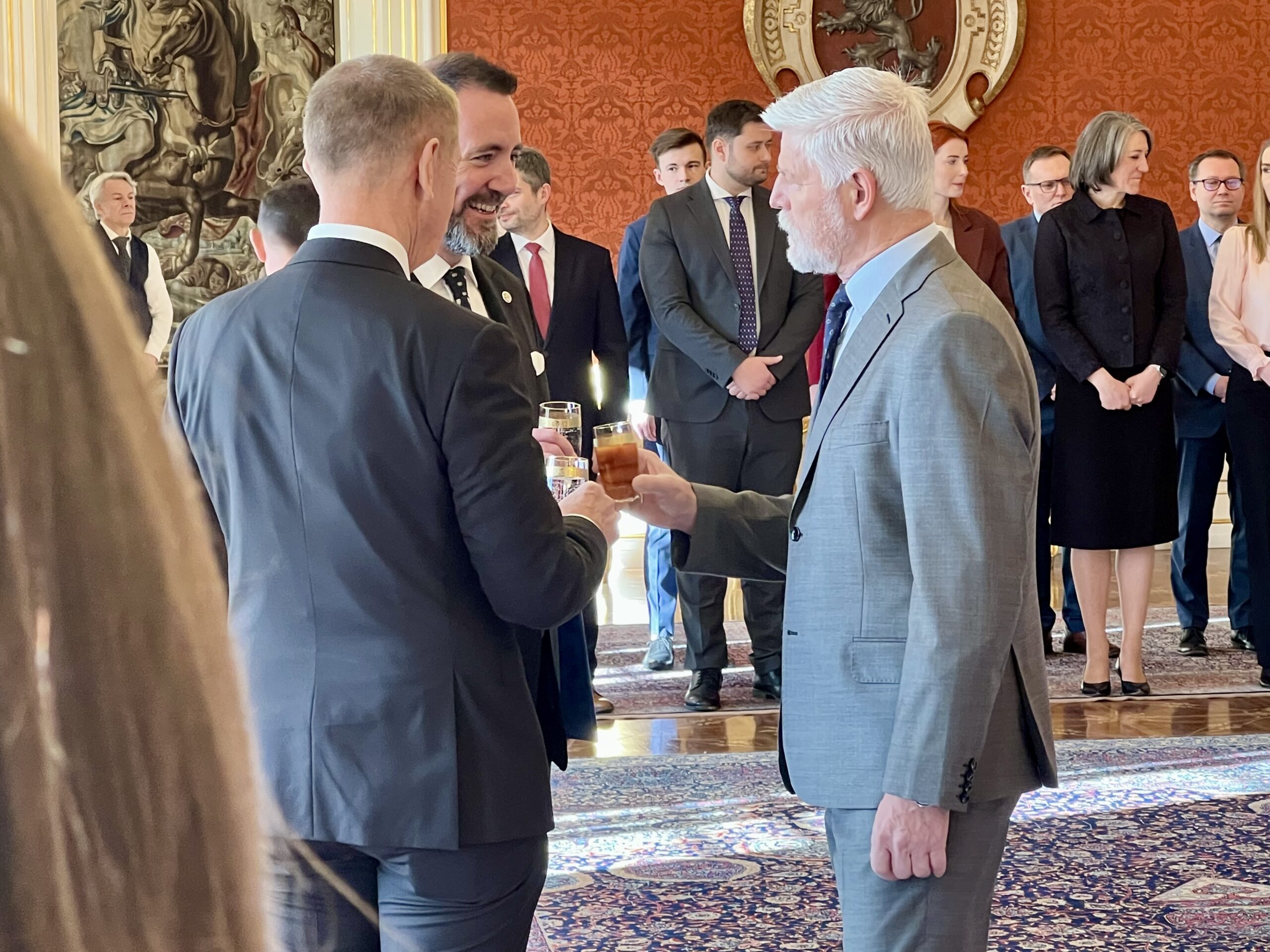
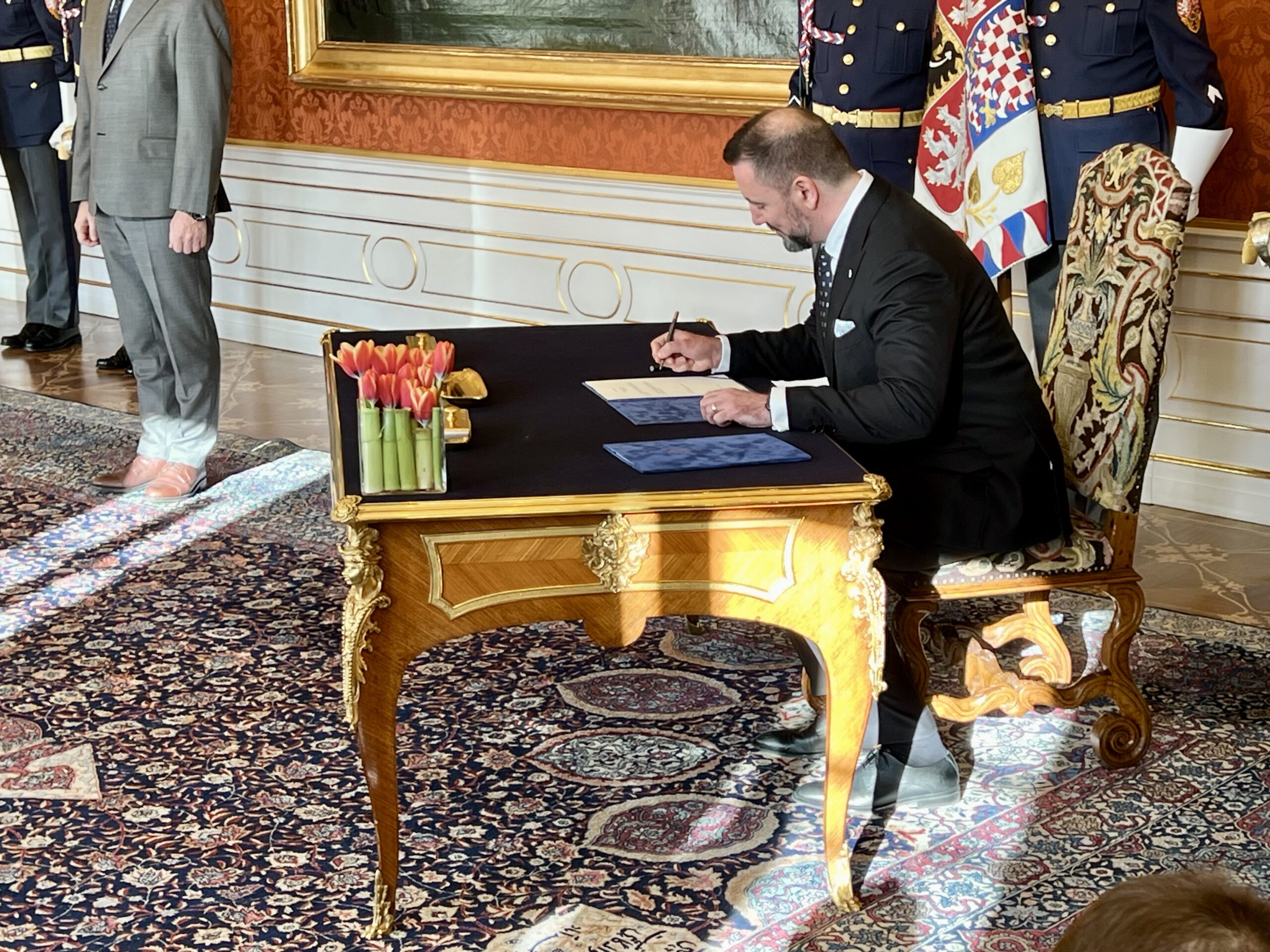
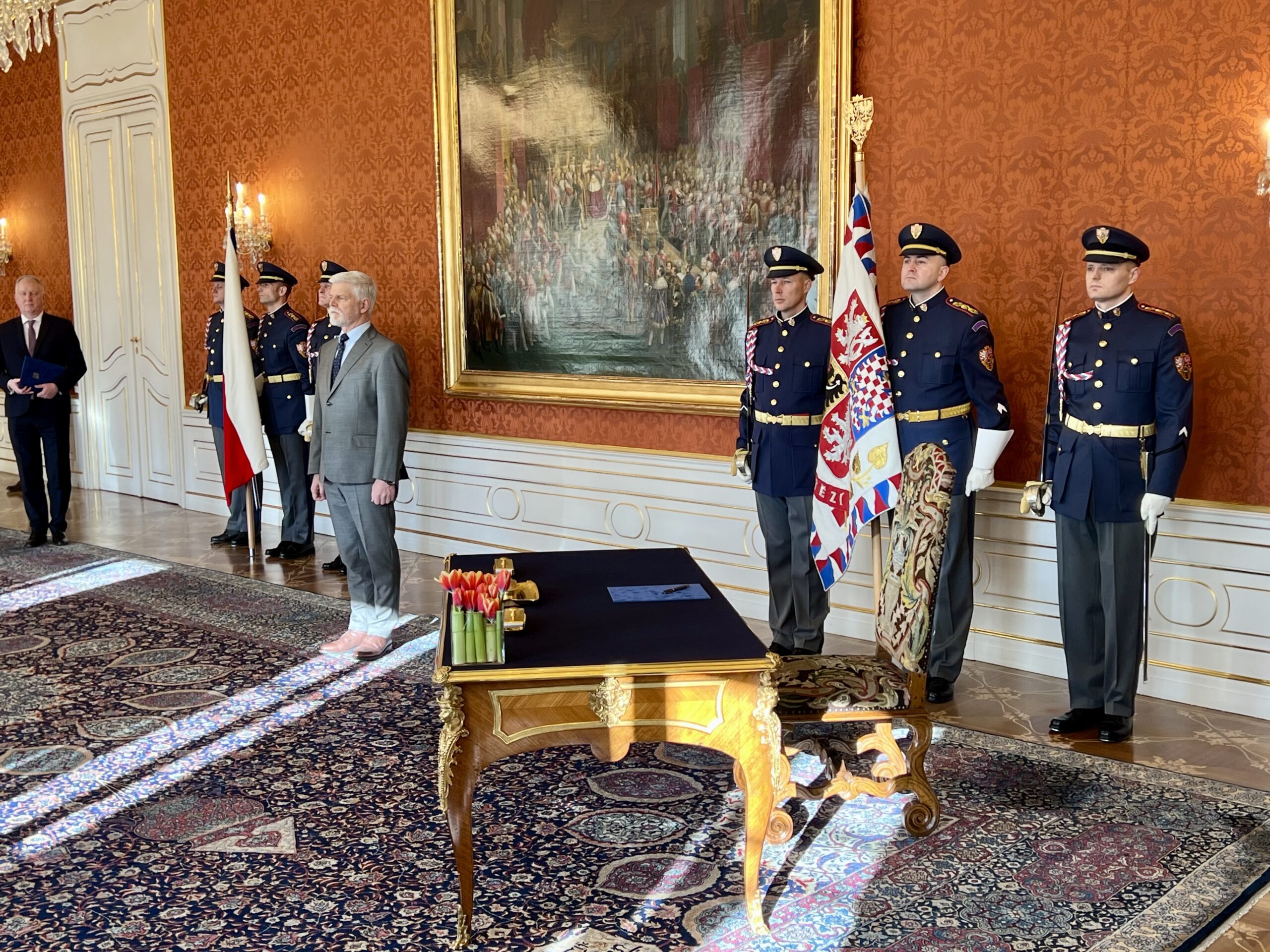
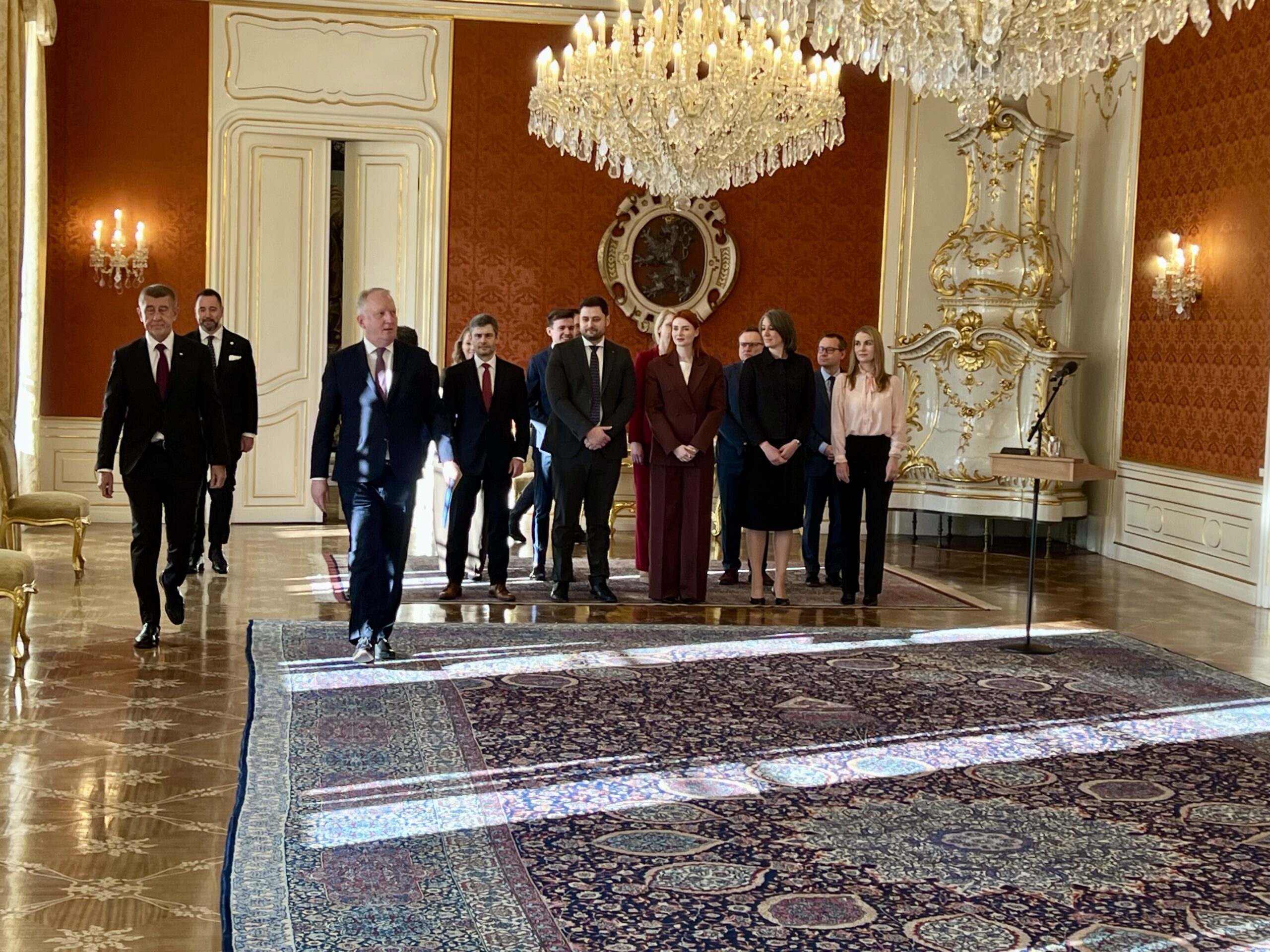
This week, President Petr Pavel formally appointed Igor Červený as the new Minister of the Environment. On paper, it was a routine constitutional act. Politically, however, it marked the end of a prolonged institutional standoff between the President and the parliamentary majority.
The Long Road to Appointment
The controversy did not begin in the Environment Ministry. Filip Turek, a prominent figure of the Motorists party, was initially considered for the post of Foreign Minister. That plan collapsed, and he was later nominated for the Ministry of the Environment. At this stage, President Pavel made clear he would refuse the appointment.
The President publicly questioned Turek’s suitability for ministerial office, citing concerns about past statements and broader issues of political credibility. Weeks of political paralysis followed. The Ministry operated in a provisional manner, while negotiations intensified behind closed doors.
A President as Political Gatekeeper
In a parliamentary system, the government is formed by the parliamentary majority. The President appoints ministers, but traditionally this function is regarded as formal rather than political. In this case, however, the President exercised his authority as a substantive filter, effectively vetoing a candidate of the governing majority.
Legally, the move can be defended within certain interpretations of the Czech constitutional framework. Politically, it represents a significant shift. When a President begins assessing political suitability rather than formal qualifications, the balance between parliamentary government and presidential influence changes.
The Compromise Candidate: Igor Červený
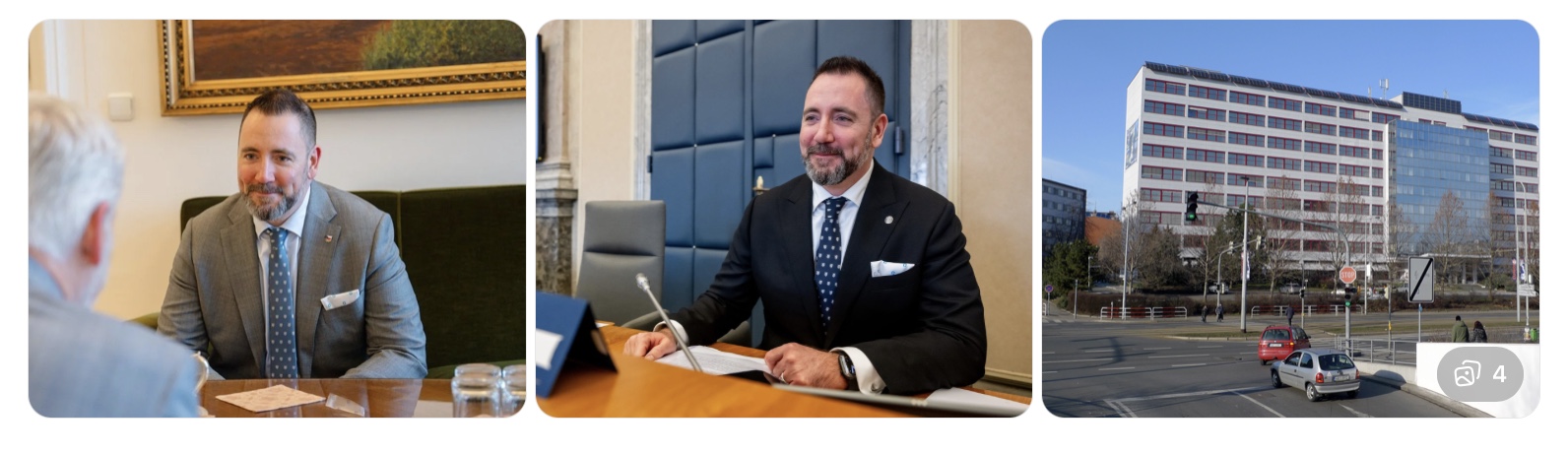
Eventually, the Motorists nominated Igor Červený. His appointment ended the formal deadlock and restored full leadership to the Ministry of the Environment. He now carries responsibility for climate policy, EU regulatory implementation, energy transition programs, and environmental funding mechanisms.
Yet the political compromise may contain the seeds of future tension.
The Shadow Factor: Filip Turek’s Continued Role
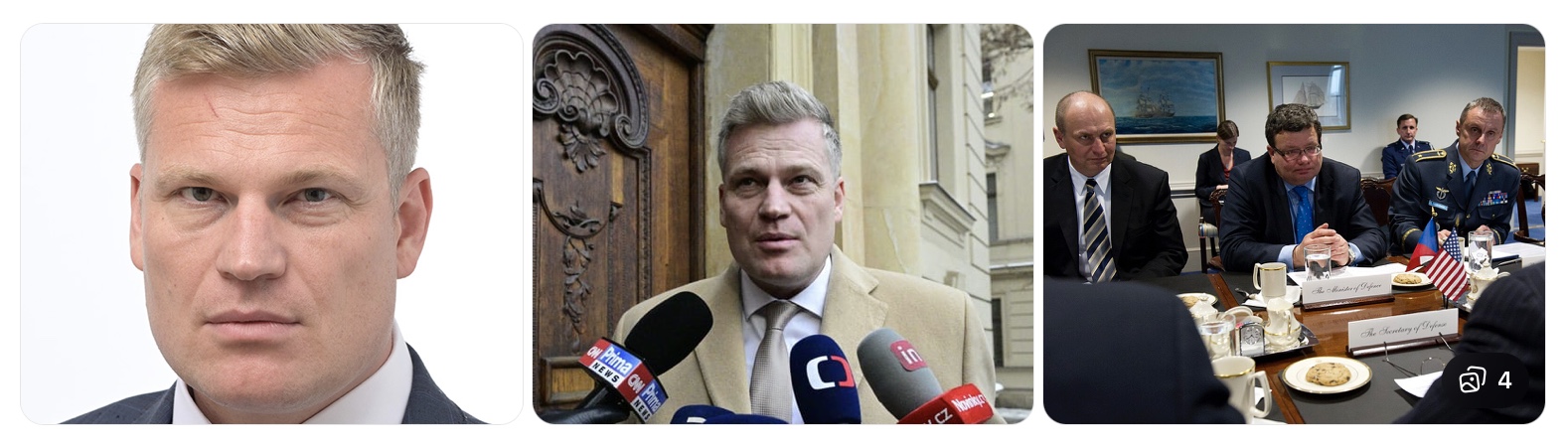
Filip Turek remains politically active in the field of environmental and climate policy as a government advisor and political strategist. This creates an unusual dual structure:
• The minister holds formal authority and constitutional responsibility.
• The influential party figure retains strategic and political weight.
Such an arrangement risks blurred accountability. A minister answers to Parliament and the public. An advisor does not carry the same level of constitutional responsibility. If strategic direction emerges outside the formal chain of command, institutional clarity may suffer.
Potential Competence Conflicts
The Ministry of the Environment is one of the most politically sensitive portfolios in the Czech government. Energy prices, emission targets, EU Green Deal obligations, and domestic industrial policy intersect in this department. Clear leadership is essential.
If differing political visions surface between the minister and his influential advisor, internal friction could become public. Civil servants may face uncertainty about strategic direction. The opposition will undoubtedly monitor any inconsistencies closely.
A Critical Look at the President’s Role
President Pavel demonstrated determination by refusing to appoint a candidate he considered unsuitable. However, determination alone does not resolve the constitutional question.
In a parliamentary democracy, political accountability rests primarily with the parliamentary majority. When a President intervenes in ministerial selection based on political judgment, he effectively reshapes the distribution of power. This may set a precedent. Future presidents could rely on the same logic, expanding the political reach of the office beyond its traditionally limited role.
Who Ultimately Bears Responsibility?
If the Ministry performs successfully under Igor Červený’s leadership, the government will stabilize and move forward. If conflicts emerge or policy direction becomes inconsistent, the debate over presidential intervention will resurface.
The central question remains: Did the President safeguard democratic standards, or did he recalibrate the balance of power in a way that weakens parliamentary primacy?
Conclusion
With Igor Červený now formally in office, the immediate institutional crisis is over. Yet the structural tension remains unresolved. The coming months will reveal whether this episode strengthens Czech democracy through principled oversight—or complicates it through blurred lines of authority.
Recent posts
See AllPrague Forum Membership
Join us
Be part of building bridges and channels to engage all the international key voices and decision makers living in the Czech Republic.
Become a member