- Hans Weber
- February 15, 2026
Diplomatic Reception of the Mongolian Ambassador at Villa Lanna in Prague
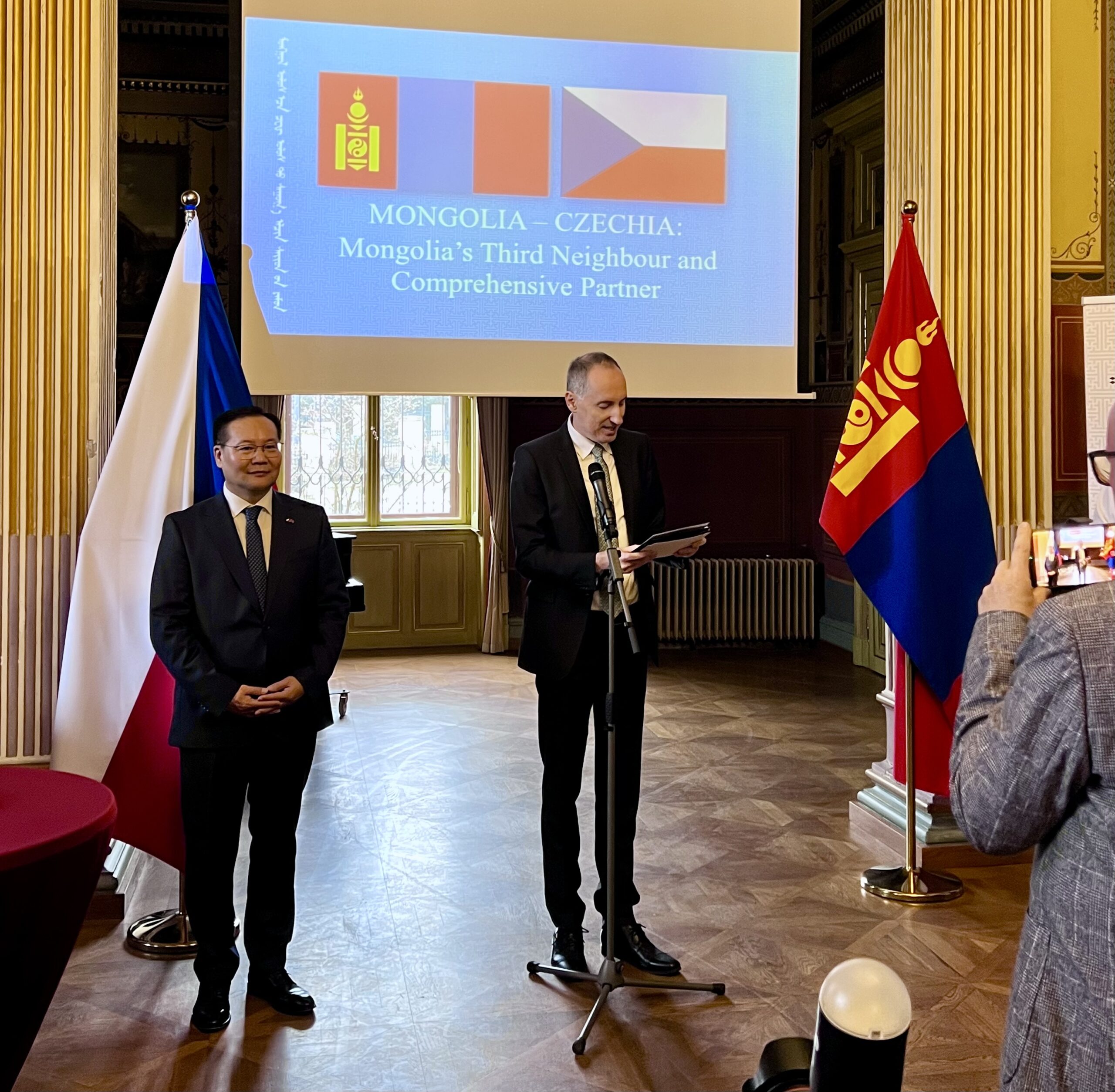
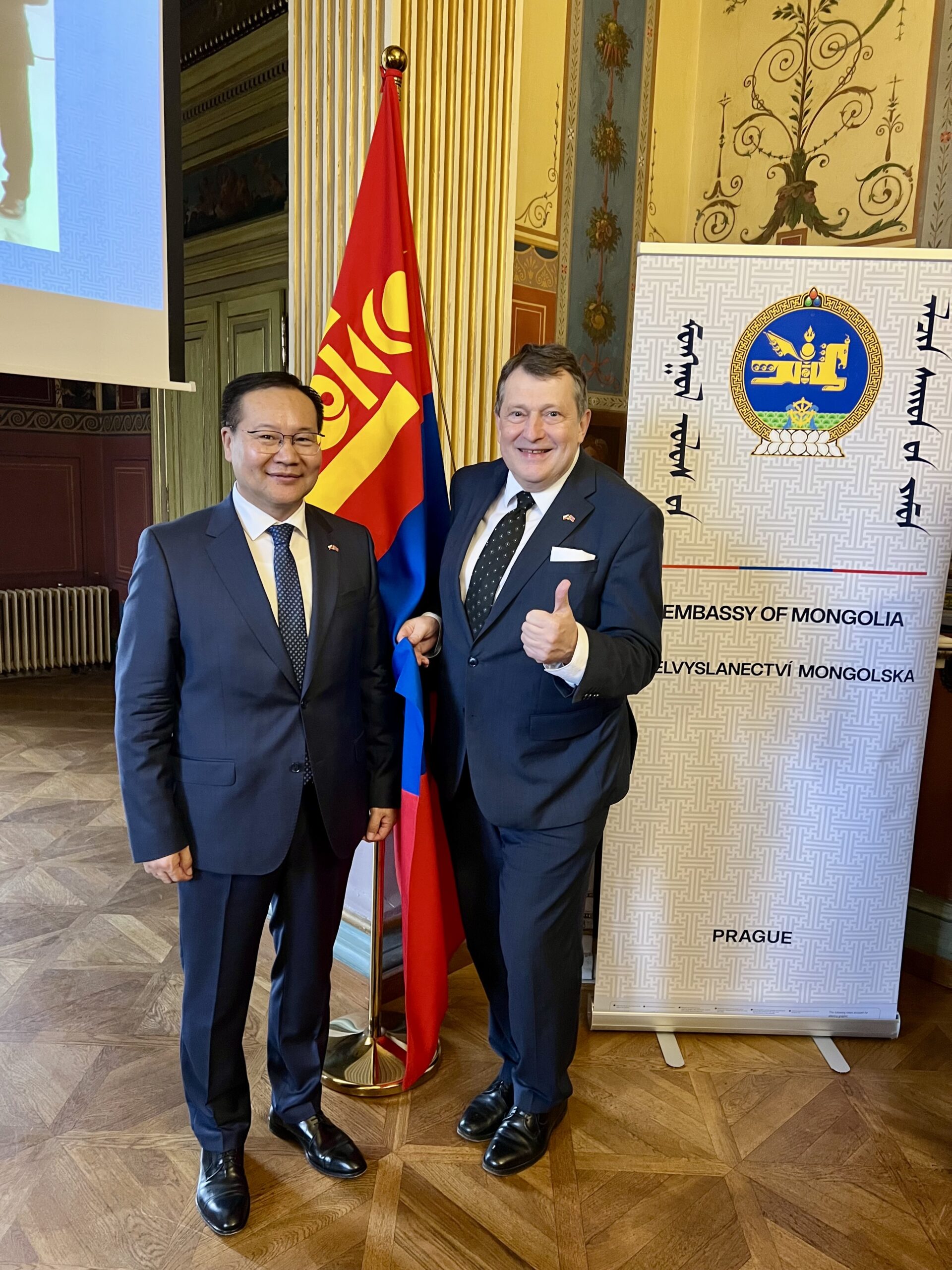
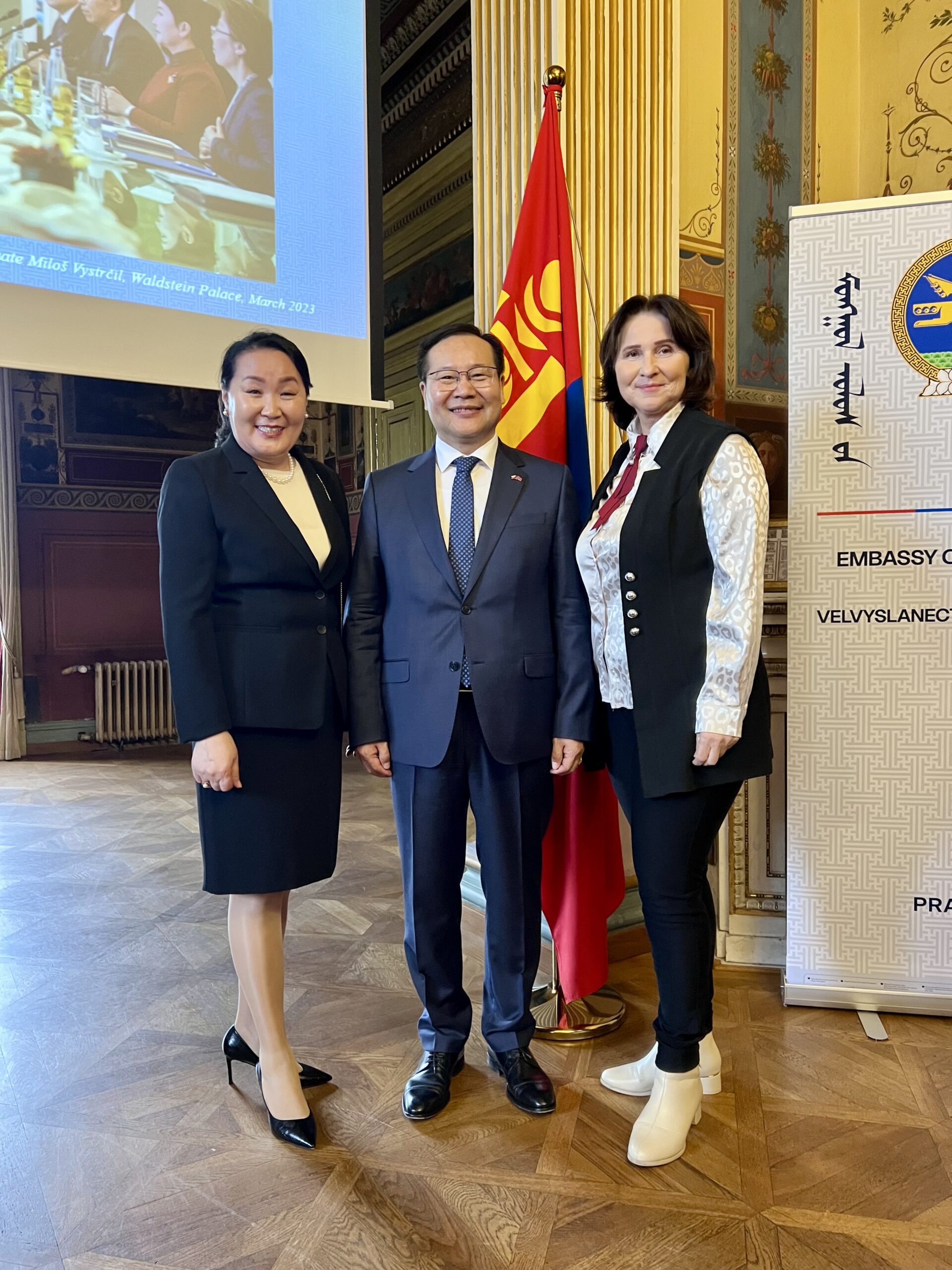
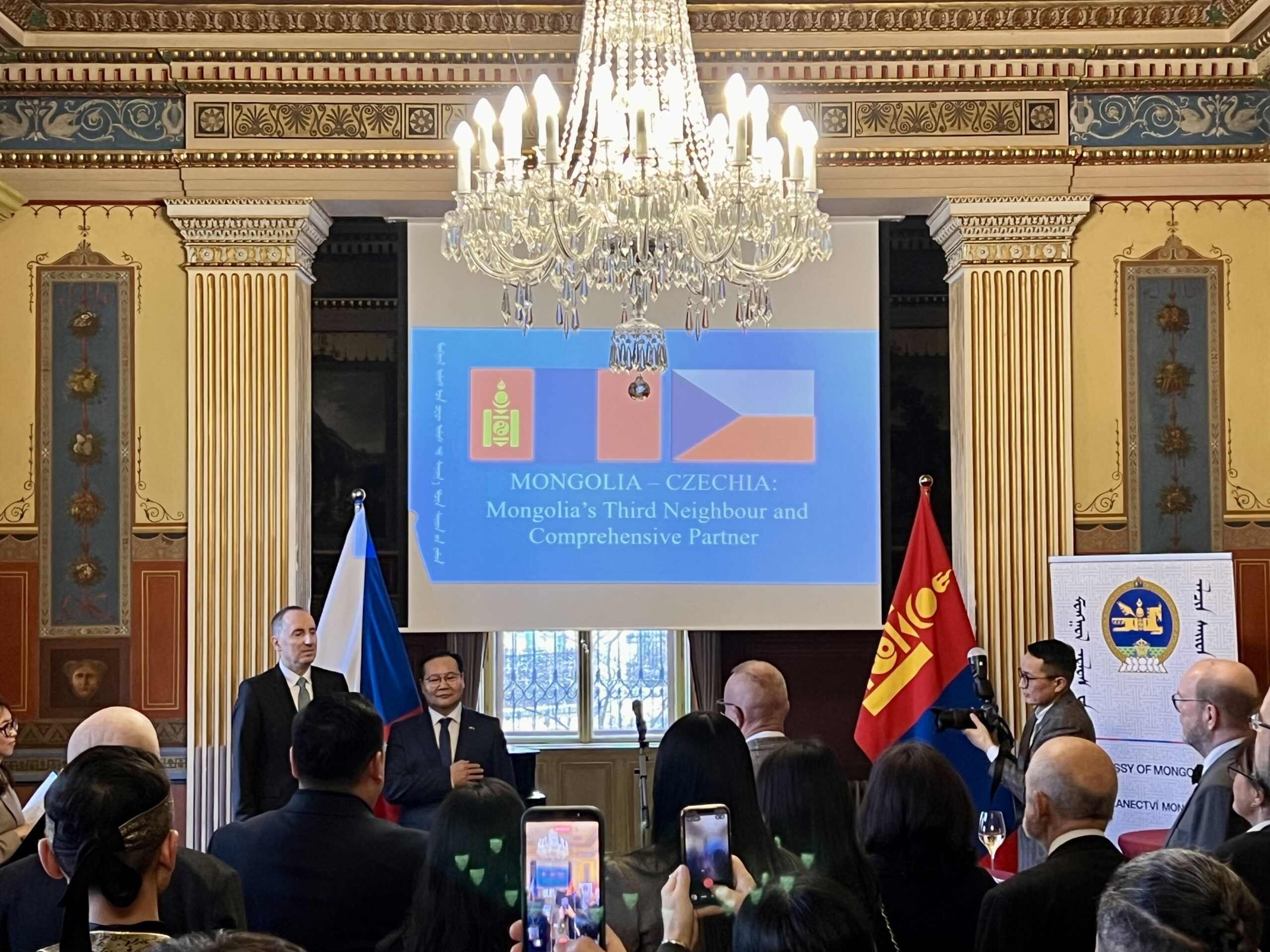
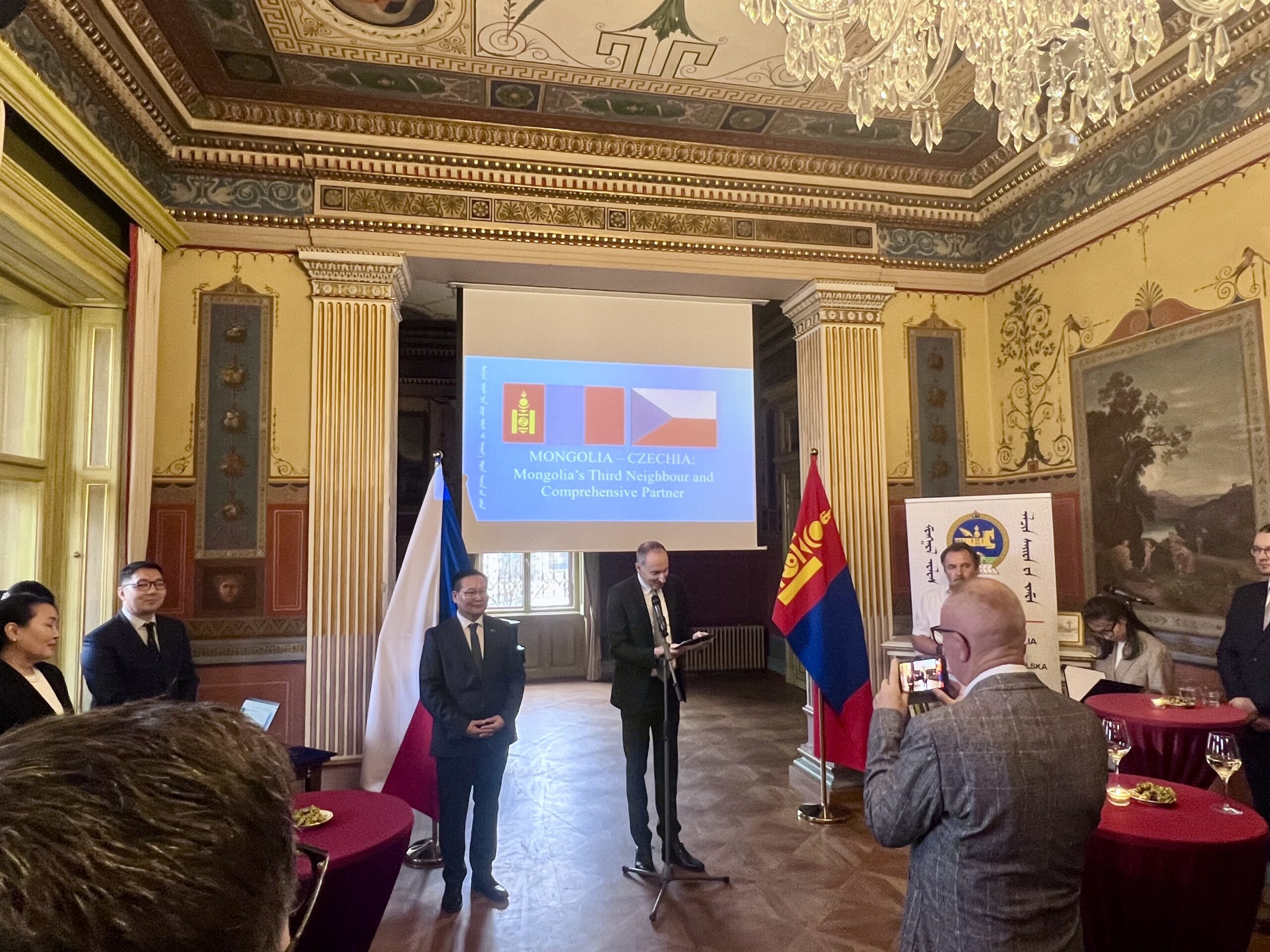
On Wednesday at midday, Villa Lanna in Prague’s elegant Bubeneč district provided a distinguished setting for a reception hosted by H.E. Mr. Gansukh Khashkhan Damdin, Ambassador of Mongolia to the Czech Republic. The gathering brought together members of the diplomatic corps, representatives of Czech state institutions, parliamentarians, business leaders, academics, and cultural figures. The atmosphere combined formal diplomatic protocol with genuine cordiality, reflecting the constructive and steadily developing relationship between Mongolia and the Czech Republic.
Villa Lanna itself offered more than an architectural backdrop. Built in 1872 as a Neo-Renaissance residence, it has long served as a venue for intellectual exchange, conferences, and high-level diplomatic meetings. Its historic salons and carefully preserved interiors conveyed a sense of continuity and stability — qualities that are equally essential in international relations.
Representing the Czech Republic, Deputy Minister of Foreign Affairs Jiří Brodský delivered remarks alongside Ambassador Damdin. His presence demonstrated that Prague attaches tangible importance to its relationship with Mongolia. In his speech, Deputy Minister Brodský emphasized pragmatic cooperation, measurable outcomes, and the strengthening of economic and educational ties. He underlined that bilateral relations must be built not only on political dialogue but also on trade, investment, academic mobility, and innovation partnerships.
Particular attention was given to opportunities in engineering, mining technology, environmental protection, and water management — areas in which Czech expertise has traditionally been strong and where Mongolia’s economic development offers concrete potential for collaboration. The Deputy Minister also highlighted the importance of supporting business missions and facilitating institutional contacts between universities and research institutions in both countries.
The reception also reflected a broader evolution in Czech foreign policy priorities. The previous tenure of Foreign Minister Jan Lipavský was widely regarded as strongly value-driven and rhetorically assertive on the international stage. While this approach positioned the Czech Republic clearly within major geopolitical debates, some observers argued that it occasionally limited diplomatic flexibility in relations with certain non-European partners. In contrast, the current emphasis articulated by Deputy Minister Brodský suggests a balanced and economically grounded orientation — maintaining principled positions while actively expanding diversified partnerships beyond Europe.
Ambassador Damdin, in his address, provided insight into Mongolia’s foreign policy framework, including its well-known “third neighbor” strategy, which seeks to deepen relations with partners beyond its immediate geographic environment. He stressed that the Czech Republic represents an important European partner for Mongolia, not only politically but also economically and culturally.
The Ambassador also referred to the historical connections between the two nations, including educational exchanges during earlier decades and ongoing cooperation in multilateral forums. He expressed appreciation for the constructive dialogue maintained between Prague and Ulaanbaatar and voiced confidence that bilateral trade and institutional cooperation could be significantly expanded in the coming years.
A cultural performance formed one of the highlights of the midday reception. Guests were treated to an artistic presentation reflecting Mongolia’s rich heritage, shaped by centuries of nomadic tradition and steppe culture. Traditional musical elements and artistic expression offered a vivid reminder that diplomacy is not confined to formal statements but is also conveyed through cultural identity, heritage, and shared experiences. Such moments foster deeper understanding and human connection beyond policy discussions.
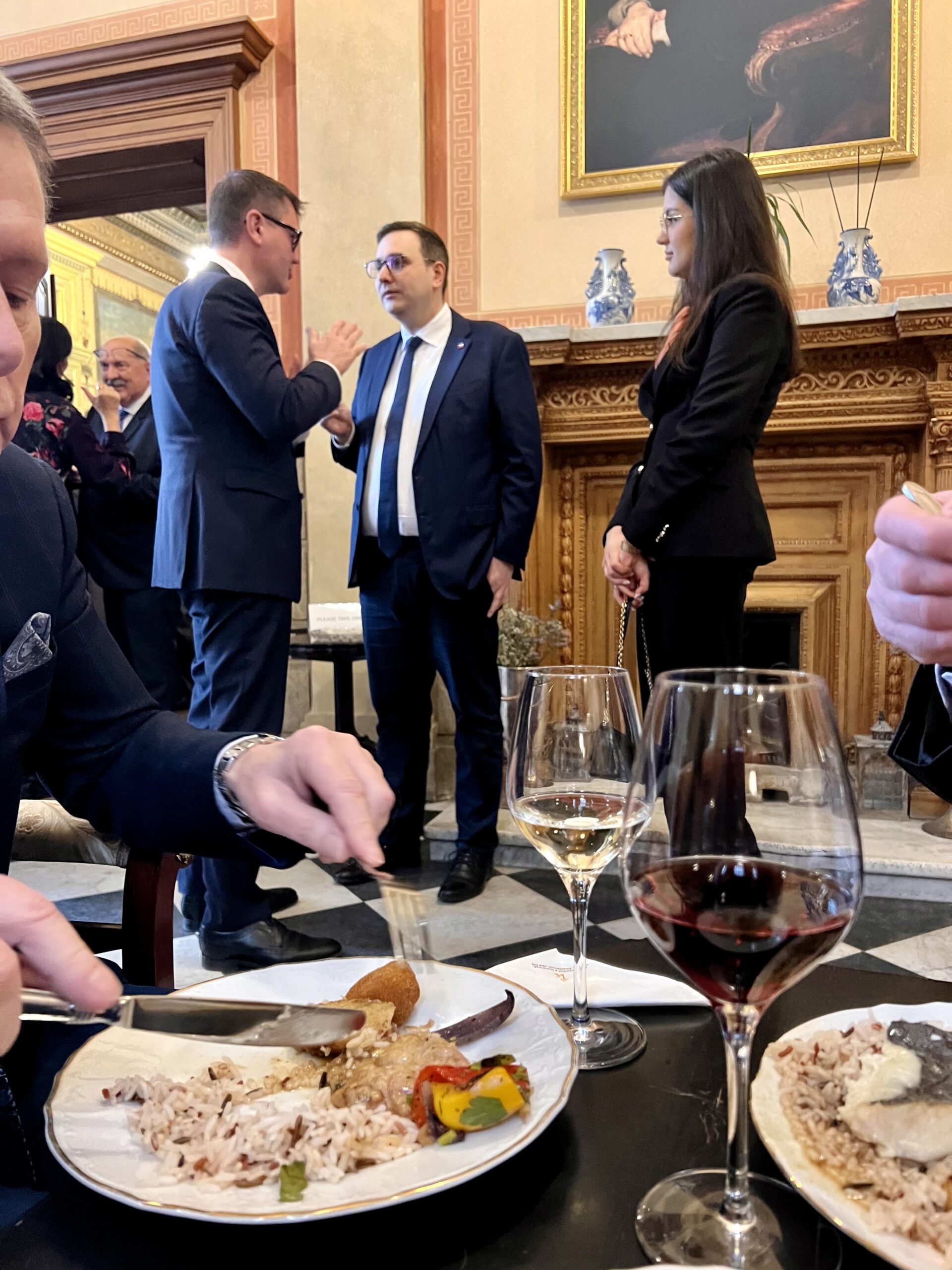
Following the official program, guests were invited to enjoy authentic Mongolian cuisine. The carefully prepared dishes introduced many attendees to traditional flavors and culinary customs, transforming the formal reception into a lively exchange of conversation and networking. It was during these informal interactions that discussions about potential projects, economic cooperation, and cultural initiatives continued in a relaxed and constructive spirit.
In a broader geopolitical context, the reception demonstrated the importance of medium-sized and smaller states actively cultivating diversified international partnerships. Both Mongolia and the Czech Republic pursue foreign policies that balance regional realities with global engagement. Events such as this reception illustrate how diplomatic presence, cultural outreach, and economic dialogue reinforce one another in practical ways.
In sum, the reception at Villa Lanna stood as a meaningful expression of Czech–Mongolian relations. It combined official dialogue, strategic vision, cultural diplomacy, and hospitality in a manner that reflected mutual respect and forward-looking cooperation. At a time when international relations are frequently marked by tension and uncertainty, the event conveyed a steady and constructive message: sustained engagement, practical collaboration, and cultural understanding remain essential foundations of effective diplomacy.
Recent posts
See AllPrague Forum Membership
Join us
Be part of building bridges and channels to engage all the international key voices and decision makers living in the Czech Republic.
Become a member