- Hans Weber
- February 17, 2026
Interview with the President of the Czech Parliament, Tomio Okamura
Article by Hans Weber
Česká verze níže – Deutsche Version weiter unten
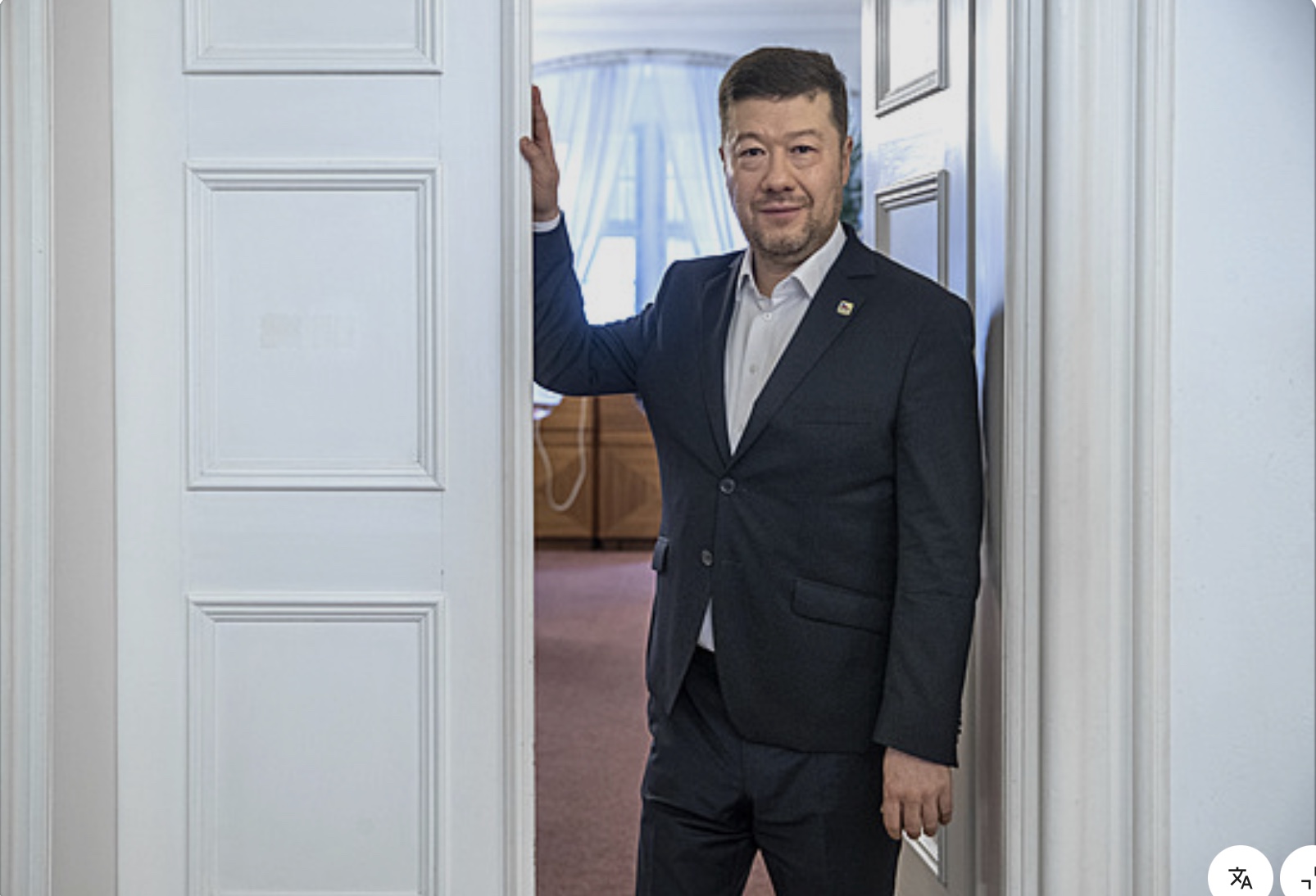
We met with the new President of the Czech Parliament, Tomio Okamura.
Tomio Okamura has been one of the most distinctive and influential figures in Czech politics for more than a decade. As Chairman of the SPD – Freedom and Direct Democracy – he has consistently advocated national sovereignty, direct democracy, and a clearly defined migration policy. Since entering the Senate in 2012 and later the Chamber of Deputies, Okamura has maintained a political course focused on strengthening citizens’ direct participation in decision-making and defending the Czech state’s interests.
His political career began as an independent candidate before he co-founded the Úsvit movement and later established the SPD, which, under his leadership, has become a stable and visible force in the Czech parliamentary landscape. Okamura presents himself as a representative of citizens who call for binding referendums, fiscal responsibility, and a migration policy based on strict national control.
At the core of his political program are nationwide referendums modeled on the Swiss system, resistance to further transfers of competencies to the European Union, firm opposition to illegal migration, and prioritizing Czech national interests in economic and social policy. In the following interview, Tomio Okamura outlines his assessment of current political developments, his vision for the Czech Republic, and the role he sees for the SPD in shaping the country’s future.
Dear Mr. Okamura, what were the decisive milestones of your political career?
A significant milestone was my time in the Senate, where I gained a deeper insight into the functioning of the state and at the same time realized the gap between political elites and ordinary citizens. The founding of the SPD movement was the logical outcome of an effort to bridge this gap.
What motivated you to enter politics and what motivates you today?
I entered politics with the conviction that the state should serve citizens and protect their interests. To this day, I am motivated by a sense of responsibility towards voters and the effort to strengthen democratic principles, national sovereignty and social justice – even at the cost of criticism.
What do you think about direct democracy?
I consider direct democracy to be an important complement to the parliamentary system. In my opinion, binding referendums on fundamental issues and greater citizen involvement in decision-making are key. These tools strengthen people’s trust in the state and contribute to greater political responsibility.
How do you see the current political situation in the Czech Republic?
After the previous Fial government, people are facing rising living costs and economic concerns. In this situation, it is crucial to maintain political stability, focus on practical solutions and restore citizens’ trust in public institutions. We want to end politics driven by the interests of Brussels, various non-profit organizations, gender and multicultural ideologies that are killing the original European Christian culture and the national specificities of European countries.
What role can your party play?
The SPD program offers realistic and understandable solutions. We strive to protect the sovereignty of the Czech Republic, social security and democratic rights of citizens, while emphasizing responsible and realistic politics.
You visited recently the New Year’s reception AfD parliamentary group in the Saxon state parliament, why?
The aim of my visit was political dialogue and exchange of views with partners from Germany. The discussions mainly concerned European policy, energy security, migration and the role of nation states within the European Union. I consider such a dialogue legitimate and necessary.
How do you perceive the AfD?
I perceive the Alternative für Deutschland as a political force that reflects a large part of the social debate in Germany. Similar to other European countries, there is a demand for greater national responsibility and a critical approach to some EU policies. However, each political party operates in its own specific historical and social context. The AfD is then a huge hope for Czech citizens that these patriotic and conservative-minded parties or movements can, despite the abnormal bullying by the mainstream media and liberal activists, succeed and, after their victory in the democratic elections, finally restore common sense in German politics and the country (very important to us) will return to the path of a successful Central European hegemon, not controlled by deranged ideologues.
How do you see cooperation between patriotic and EU-critical parties?
I see room for cooperation in areas of common interest, such as protecting external borders, energy policy, migration and strengthening the role of national parliaments. The goal is not to weaken Europe, but to support cooperation between sovereign states on the basis of equality.
How do you see the Czech Republic’s relationship with the European Union?
I believe that the EU needs fundamental change – in particular, reducing bureaucracy, greater respect for national specificities and strengthening the democratic legitimacy of decision-making.
What are your personal political goals and message to voters?
My goal is to strengthen the democratic participation of citizens, protect social security and ensure decent living conditions. I want to show voters that an active interest in public affairs and open dialogue are key to a stable future for the Czech Republic and Europe.
Dear Mr. Okamura, thank you for the conversation.
_________________________________________________________________________________
Česká verze:
Setkali jsme se s novým předsedou českého parlamentu Tomiem Okamurou.
Tomio Okamura patří již více než deset let mezi výrazné a vlivné osobnosti české politiky. Jako předseda hnutí SPD – Svoboda a přímá demokracie – se dlouhodobě profiluje jako zastánce národní suverenity, přímé demokracie a jasně definované migrační politiky. Od svého vstupu do Senátu v roce 2012 a následně do Poslanecké sněmovny prosazuje politickou linii zaměřenou na posílení přímé účasti občanů na rozhodování a na ochranu státních zájmů České republiky.
Svoji politickou dráhu zahájil jako nezávislý kandidát, následně spoluzaložil hnutí Úsvit a později založil SPD, které se pod jeho vedením stalo stabilní součástí české parlamentní scény. Okamura se prezentuje jako hlas občanů požadujících závazná referenda, odpovědnou fiskální politiku a důslednou kontrolu migrace.
Jádrem jeho programu jsou celostátní referenda po vzoru Švýcarska, odmítání dalšího přesunu pravomocí na Evropskou unii, důrazný postoj proti nelegální migraci a upřednostňování českých národních zájmů v hospodářské a sociální oblasti. V následujícím rozhovoru Tomio Okamura představuje své hodnocení aktuální politické situace, svou vizi budoucnosti České republiky a roli, kterou chce SPD sehrát při formování dalšího vývoje země.
Vážený pane Okamuro, jaké byly rozhodující milníky vaší politické kariéry?
Významným milníkem bylo působení v Senátu, kde jsem získal hlubší vhled do fungování státu a zároveň si uvědomil odstup mezi politickými elitami a běžnými občany. Založení hnutí SPD bylo logickým vyústěním snahy tuto mezeru překlenout.
Co vás motivovalo ke vstupu do politiky a co vás motivuje dnes?
Do politiky jsem vstoupil s přesvědčením, že stát má sloužit občanům a chránit jejich zájmy. Dodnes mě motivuje pocit odpovědnosti vůči voličům a snaha posilovat demokratické principy, národní suverenitu a sociální spravedlnost – i za cenu kritiky.
Co si myslíte o přímé demokracii?
Přímou demokracii považuji za důležitý doplněk parlamentního systému. Klíčové jsou podle mě závazná referenda o zásadních otázkách a větší zapojení občanů do rozhodování. Tyto nástroje posilují důvěru lidí ve stát a přispívají k větší politické odpovědnosti.
Jak vnímáte současnou politickou situaci v České republice?
Po minulé Fialově vládě se lidé potýkají s rostoucími životními náklady a ekonomickými obavami. V této situaci je zásadní zachovat politickou stabilitu, soustředit se na praktická řešení a obnovit důvěru občanů ve veřejné instituce. Chceme ukončit politiku řízenou zájmy Bruselu, různými neziskovými organizacemi, gender a multikulturními ideologiemi, které zabíjí původní evropskou křesťanskou kulturu a národní specifika evropských zemí.
Jakou roli může hrát vaše strana?
Program SPD nabízí realistická a srozumitelná řešení. Usilujeme o ochranu suverenity České republiky, sociální jistoty a demokratických práv občanů, při současném důrazu na odpovědnou a realistickou politiku.
Nedávno jste navštívil novoroční recepci parlamentní skupiny AfD v saském zemském sněmu, proč?
Cílem mé návštěvy byl politický dialog a výměna názorů s partnery z Německa. Diskuse se týkaly zejména evropské politiky, energetické bezpečnosti, migrace a role národních států v rámci Evropské unie. Takový dialog považuji za legitimní a potřebný.
Jak vnímáte AfD?
Alternative für Deutschland vnímám jako politickou sílu, která reflektuje velkou část společenské debaty v Německu. Podobně jako v jiných evropských zemích zde existuje poptávka po větší národní odpovědnosti a kritickém přístupu k některým politikám EU. Každá politická strana však působí ve svém specifickém historickém a společenském kontextu. AfD je pak obrovskou nadějí pro české občany, že tyto patrioticky a konzervativně smýšlejí strany či hnutí mohou, přes abnormální šikanu ze strany mainstreamových médií a liberálních aktivistů, uspět a po jejich vítězství v demokratických volbách konečně obnovit zdravý rozum v německé politice a země (pro nás velmi důležitá) se vrátí na cestu středoevropského úspěšného hegemona, který není řízen pomatenými ideology.
Jak vidíte spolupráci mezi vlasteneckými a vůči EU kritickými stranami?
Vidím prostor pro spolupráci v oblastech společného zájmu, jako jsou ochrana vnějších hranic, energetická politika, migrace a posílení role národních parlamentů. Cílem není oslabovat Evropu, ale podporovat spolupráci suverénních států na základě rovnosti.
Jak vnímáte vztah České republiky s Evropskou unií?
Domnívám se, že EU potřebuje zásadní změnu – zejména omezení byrokracie, větší respekt k národním specifikům a posílení demokratické legitimity rozhodování.
Jaké jsou vaše osobní politické cíle a poselství voličům?
Mým cílem je posílení demokratické účasti občanů, ochrana sociálních jistot a zajištění důstojných životních podmínek. Voličům chci vzkázat, že aktivní zájem o veřejné dění a otevřený dialog jsou klíčové pro stabilní budoucnost České republiky i Evropy.
Vážený pane Okamuro, děkuji Vám za rozhovor.
_________________________________________________________________________________
Deutsche Version:
Wir trafen den neuen Präsidenten des tschechischen Parlaments, Tomio Okamura.
Tomio Okamura zählt seit über einem Jahrzehnt zu den prägendsten und einflussreichsten Persönlichkeiten der tschechischen Politik. Als Vorsitzender der SPD – Freiheit und Direkte Demokratie – setzt er sich konsequent für nationale Souveränität, direkte Demokratie und eine klar definierte Migrationspolitik ein. Seit seinem Einzug in den Senat 2012 und später in die Abgeordnetenkammer verfolgt Okamura einen politischen Kurs, der die direkte Bürgerbeteiligung an Entscheidungsprozessen stärkt und die Interessen des tschechischen Staates verteidigt.
Seine politische Karriere begann als unabhängiger Kandidat, bevor er die Úsvit-Bewegung mitbegründete und später die SPD ins Leben rief, die sich unter seiner Führung zu einer stabilen und präsenten Kraft in der tschechischen Parlamentslandschaft entwickelt hat. Okamura präsentiert sich als Vertreter der Bürger, die verbindliche Volksabstimmungen, fiskalische Verantwortung und eine auf strenger nationaler Kontrolle basierende Migrationspolitik fordern.
Kern seines politischen Programms sind landesweite Volksabstimmungen nach schweizerischem Vorbild, der Widerstand gegen weitere Kompetenzübertragungen an die Europäische Union, die entschiedene Ablehnung illegaler Migration und die Priorisierung tschechischer nationaler Interessen in der Wirtschafts- und Sozialpolitik. Im folgenden Interview erläutert Tomio Okamura seine Einschätzung der aktuellen politischen Entwicklungen, seine Vision für die Tschechische Republik und die Rolle, die er der SPD bei der Gestaltung der Zukunft des Landes zuschreibt.
Sehr geehrter Herr Okamura, was waren die entscheidenden Meilensteine Ihrer politischen Karriere?
Ein wichtiger Meilenstein war meine Zeit im Senat. Dort gewann ich tiefere Einblicke in die Funktionsweise des Staates und erkannte gleichzeitig die Kluft zwischen politischen Eliten und den Bürgern. Die Gründung der SPD-Bewegung war die logische Konsequenz des Bestrebens, diese Kluft zu überbrücken.
Was hat Sie dazu bewogen, in die Politik zu gehen, und was motiviert Sie heute?
Ich ging in die Politik mit der Überzeugung, dass der Staat den Bürgern dienen und ihre Interessen schützen sollte. Bis heute motiviert mich das Verantwortungsgefühl gegenüber den Wählern und das Bestreben, demokratische Prinzipien, nationale Souveränität und soziale Gerechtigkeit zu stärken – auch auf Kosten von Kritik.
Was halten Sie von direkter Demokratie?
Ich betrachte die direkte Demokratie als wichtige Ergänzung zum parlamentarischen System. Meiner Meinung nach sind verbindliche Volksabstimmungen zu grundlegenden Fragen und eine stärkere Bürgerbeteiligung an Entscheidungsprozessen entscheidend. Diese Instrumente stärken das Vertrauen der Bevölkerung in den Staat und tragen zu mehr politischer Verantwortung bei.
Wie beurteilen Sie die aktuelle politische Situation in Tschechien?
Nach der vorherigen Fial-Regierung stehen die Menschen vor steigenden Lebenshaltungskosten und wirtschaftlichen Sorgen. In dieser Situation ist es entscheidend, die politische Stabilität zu wahren, sich auf praxisnahe Lösungen zu konzentrieren und das Vertrauen der Bürger in die öffentlichen Institutionen wiederherzustellen. Wir wollen einer Politik ein Ende setzen, die von den Interessen Brüssels, diversen Nichtregierungsorganisationen sowie Gender – und Multikulturalismus-Ideologien bestimmt wird und die ursprüngliche europäische christliche Kultur und die nationalen Besonderheiten der europäischen Länder zerstört.
Welche Rolle kann Ihre Partei spielen?
Das SPD-Programm bietet realistische und verständliche Lösungen. Wir setzen uns für die Souveränität Tschechiens, die soziale Sicherheit und die demokratischen Rechte der Bürger ein und legen dabei Wert auf verantwortungsvolle und realistische Politik.
Sie haben kürzlich den Neujahrsempfang der AfD-Fraktion im Sächsischen Landtag besucht, warum?
Ziel meines Besuchs war der politische Dialog und der Meinungsaustausch mit Partnern aus Deutschland. Die Gespräche drehten sich hauptsächlich um Europapolitik, Energiesicherheit, Migration und die Rolle der Nationalstaaten in der Europäischen Union. Ich halte einen solchen Dialog für legitim und notwendig.
Wie nehmen Sie die AfD wahr?
Ich sehe die Alternative für Deutschland als eine politische Kraft, die einen Großteil der gesellschaftlichen Debatte in Deutschland widerspiegelt. Ähnlich wie in anderen europäischen Ländern besteht auch hier der Wunsch nach mehr nationaler Verantwortung und einer kritischen Auseinandersetzung mit einigen EU-Politiken. Jede Partei agiert jedoch in ihrem eigenen historischen und sozialen Kontext. Die AfD ist daher eine große Hoffnung für die tschechischen Bürgerinnen und Bürger, dass diese patriotischen und konservativ gesinnten Parteien oder Bewegungen trotz der ungebührlichen Hetze der Mainstream-Medien und liberaler Aktivisten Erfolg haben und nach ihrem Sieg bei den demokratischen Wahlen endlich wieder Vernunft in die deutsche Politik bringen können. Das Land (was uns sehr wichtig ist) wird dann wieder den Weg einer erfolgreichen mitteleuropäischen Hegemonialmacht einschlagen, die nicht von fanatischen Ideologen beherrscht wird.
Wie beurteilen Sie die Zusammenarbeit zwischen patriotischen und EU-kritischen Parteien?
Ich sehe Potenzial für eine Zusammenarbeit in Bereichen gemeinsamen Interesses, wie dem Schutz der Außengrenzen, der Energiepolitik, der Migration und der Stärkung der Rolle der nationalen Parlamente. Ziel ist es nicht, Europa zu schwächen, sondern die Zusammenarbeit zwischen souveränen Staaten auf Gleichberechtigungsgrundlage zu fördern.
Wie beurteilen Sie das Verhältnis der Tschechischen Republik zur Europäischen Union?
Ich bin überzeugt, dass die EU grundlegende Veränderungen benötigt – insbesondere den Abbau von Bürokratie, eine stärkere Berücksichtigung nationaler Besonderheiten und die Stärkung der demokratischen Legitimität der Entscheidungsprozesse.
Was sind Ihre persönlichen politischen Ziele und Ihre Botschaft an die Wähler?
Mein Ziel ist es, die demokratische Teilhabe der Bürgerinnen und Bürger zu stärken, die soziale Sicherheit zu gewährleisten und menschenwürdige Lebensbedingungen zu sichern. Ich möchte den Wählerinnen und Wählern zeigen, dass aktives Interesse an öffentlichen Angelegenheiten und ein offener Dialog der Schlüssel zu einer stabilen Zukunft für die Tschechische Republik und Europa sind.
Sehr geehrter Herr Okamura, wir bedanken uns für das Gespräch.
Recent posts
See AllPrague Forum Membership
Join us
Be part of building bridges and channels to engage all the international key voices and decision makers living in the Czech Republic.
Become a member