- Hans Weber
- February 15, 2026
Iran’s National Day Celebration in Prague: Culture, Heritage, and a Message of Dialogue
Persian version below
Iran’s National Day Celebration in Prague: Culture, Heritage, and a Message of Dialogue
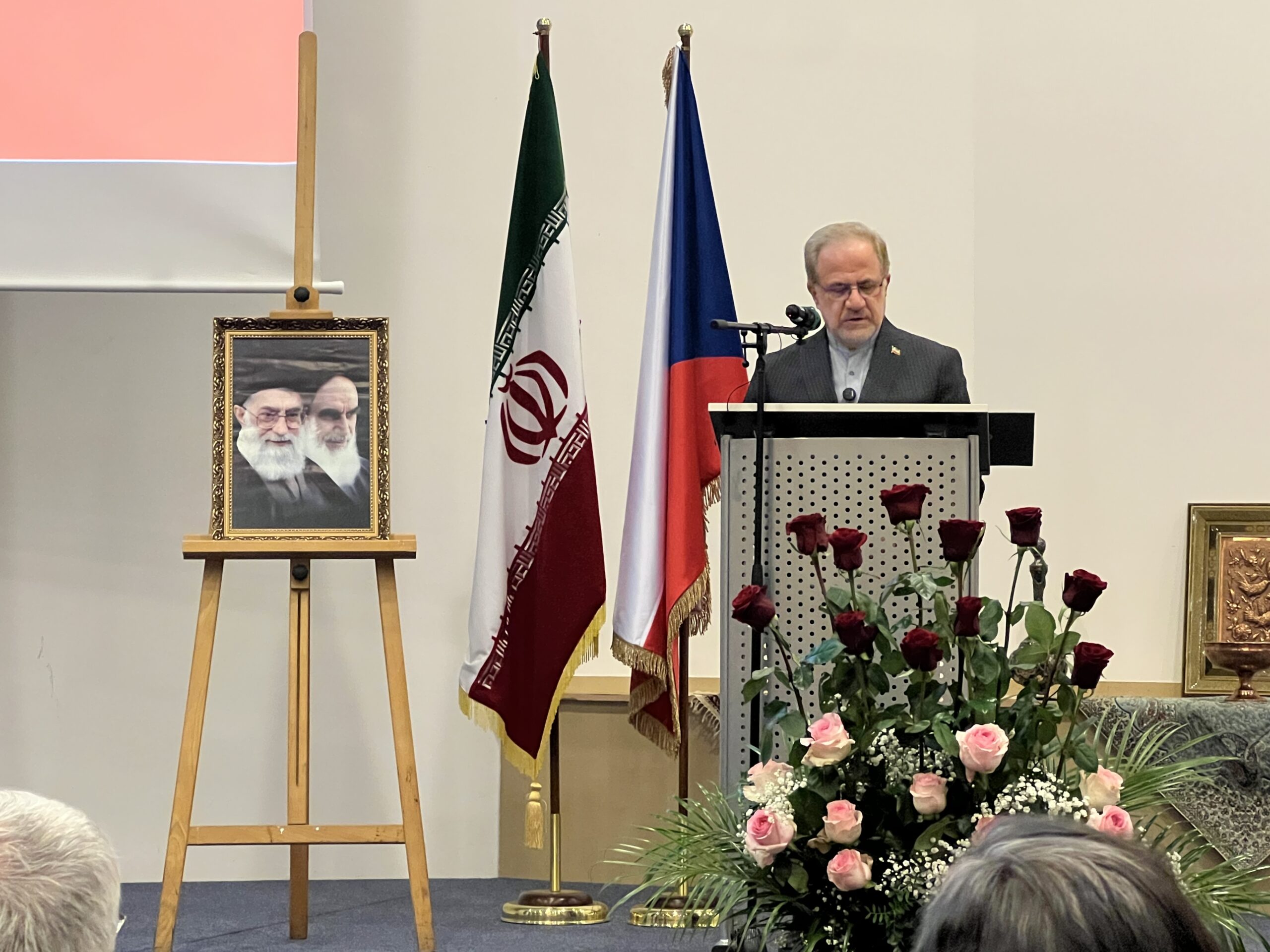
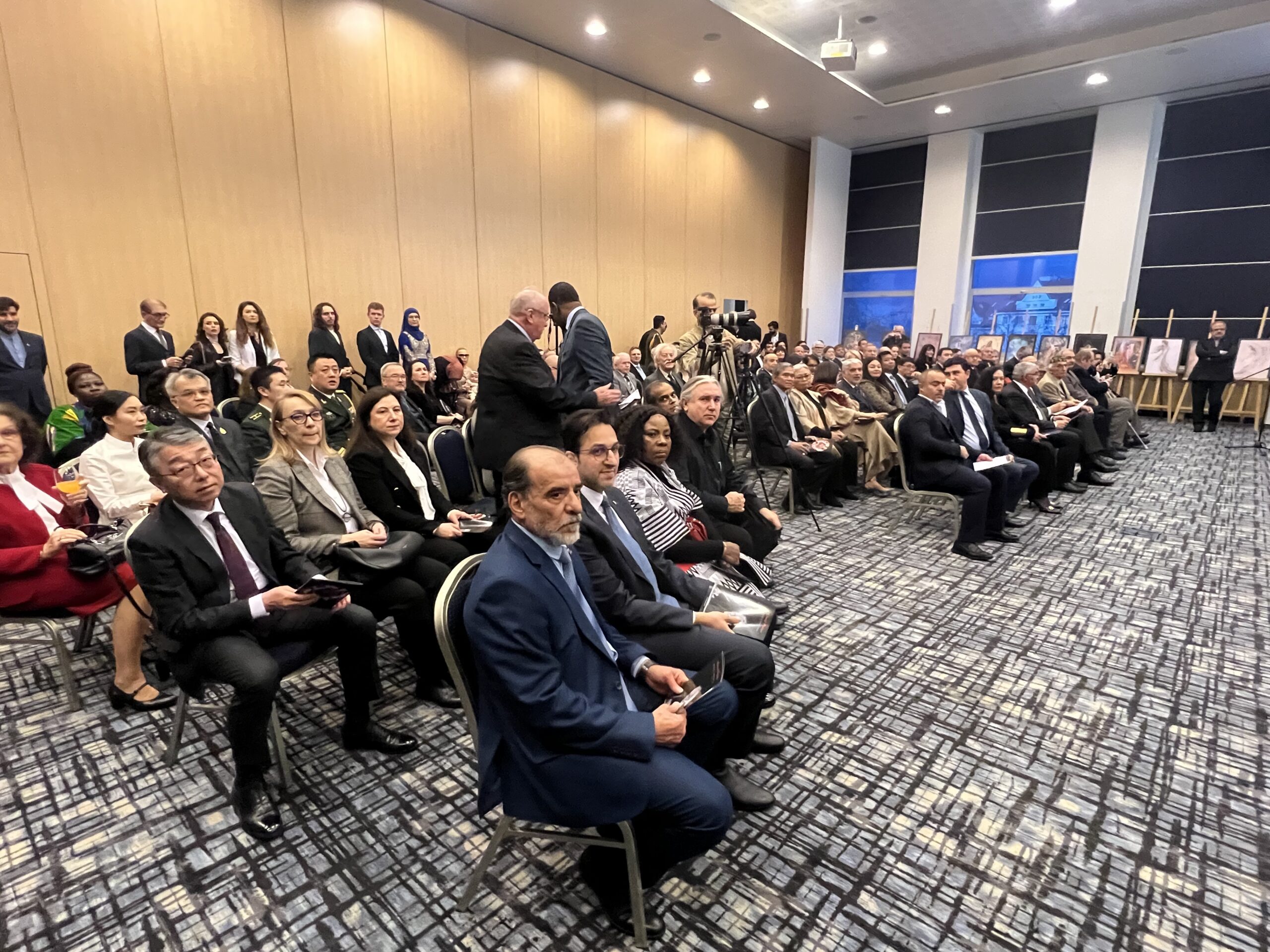
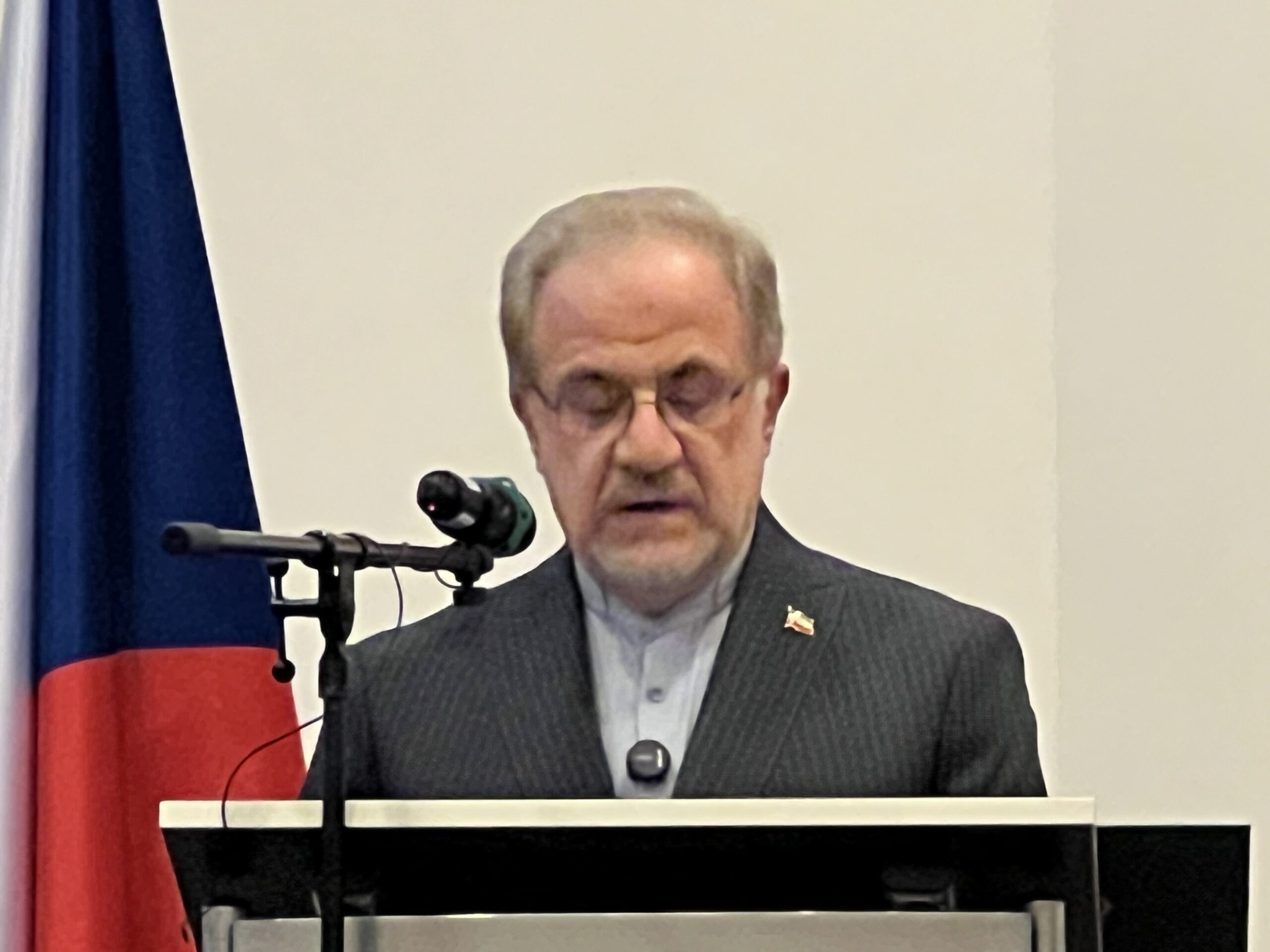
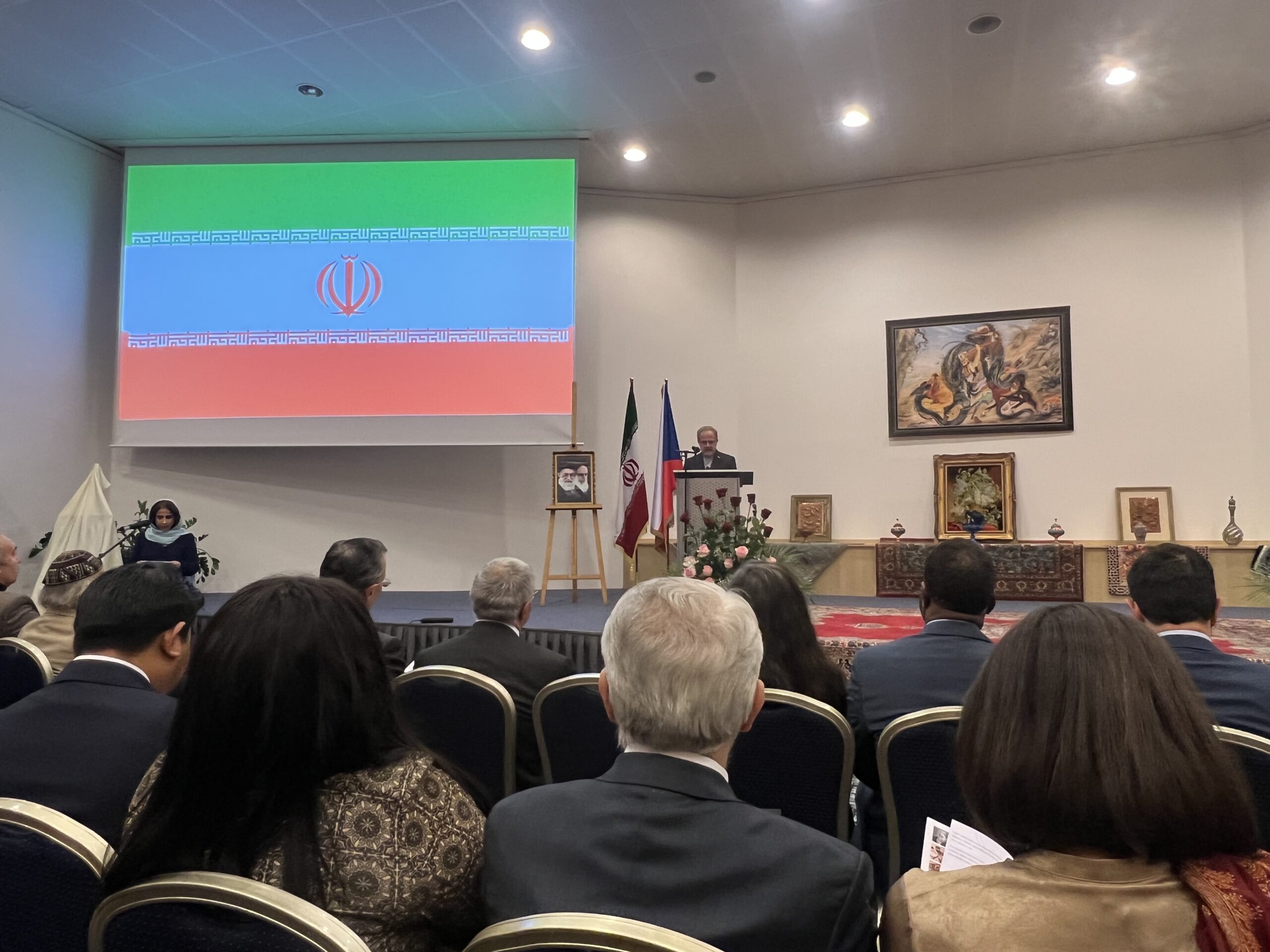
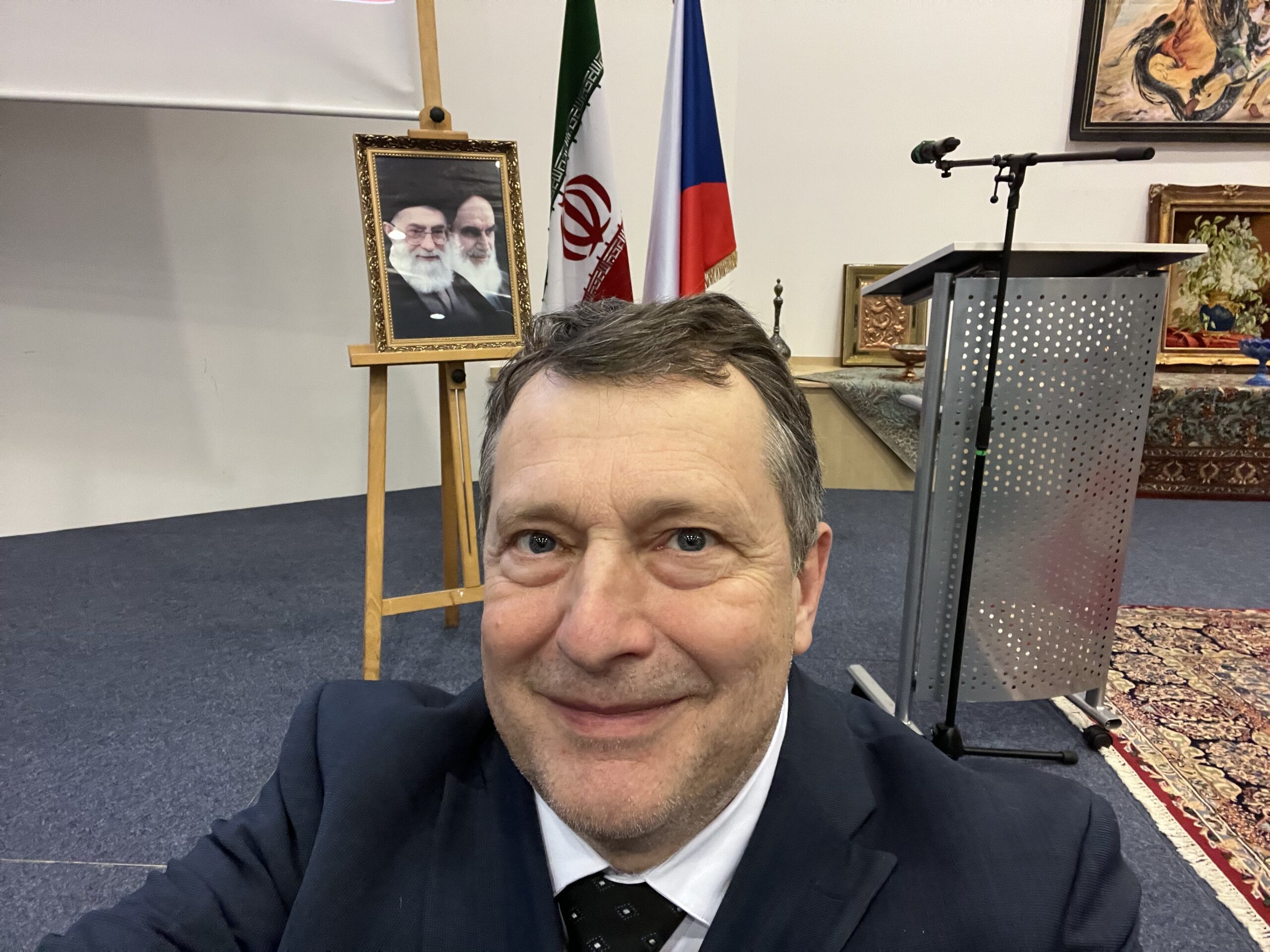
On Friday, 13 February, His Excellency Seyed Majid Ghafeleh Bashi, Ambassador of the Islamic Republic of Iran to the Czech Republic, hosted a distinguished reception at Hotel Pyramida in Prague on the occasion of Iran’s National Day. Diplomats, representatives of political and cultural institutions, members of the business community, and friends of Iran gathered for an evening that combined historical reflection, artistic excellence, and culinary refinement.
The celebration highlighted the depth of Persian civilization — one of the oldest continuous cultural traditions in the world — and underscored the importance of dialogue and cultural diplomacy in times of geopolitical complexity.
A Cultural Centerpiece: The Recitation of Ferdowsi’s Shahnameh
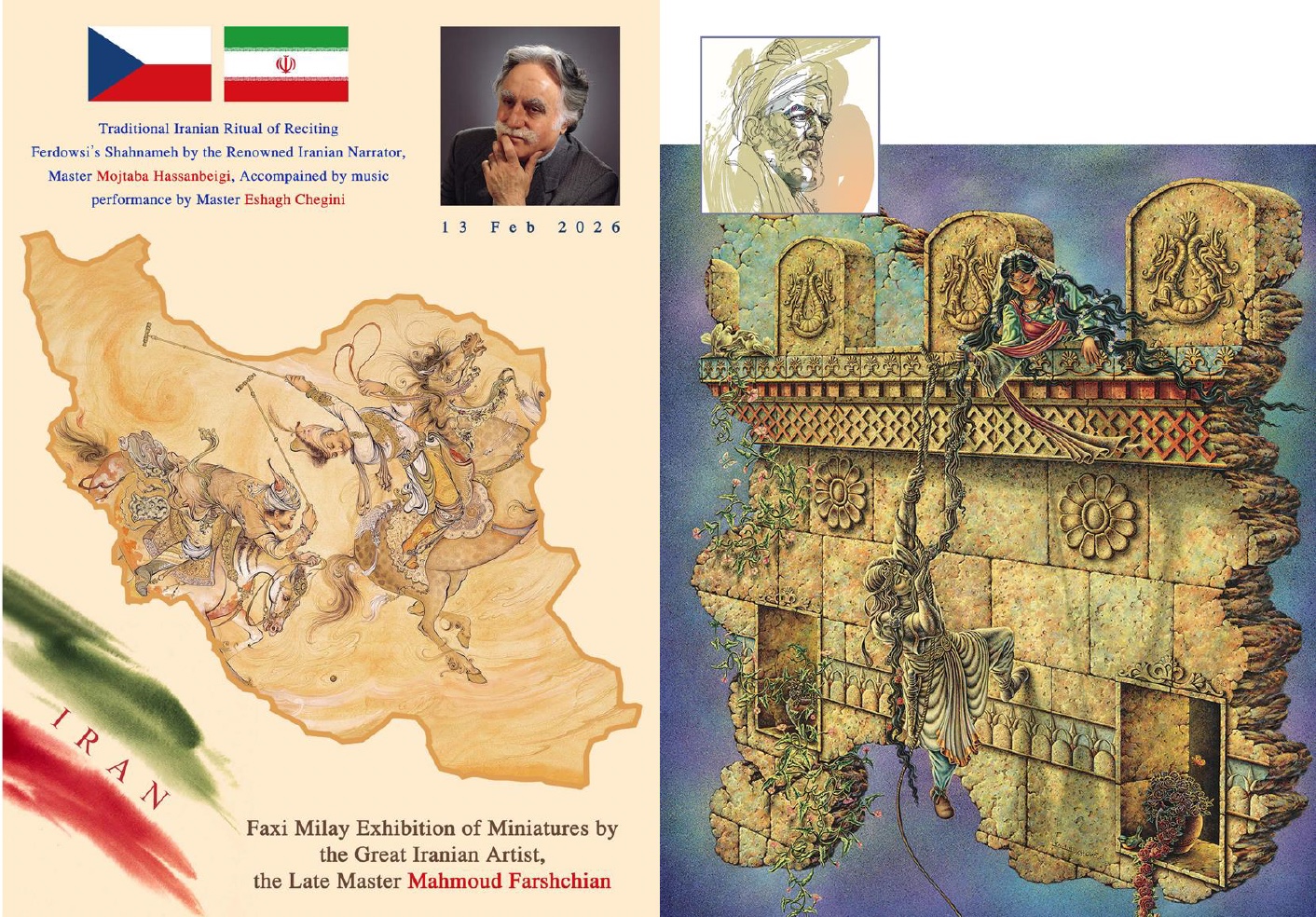
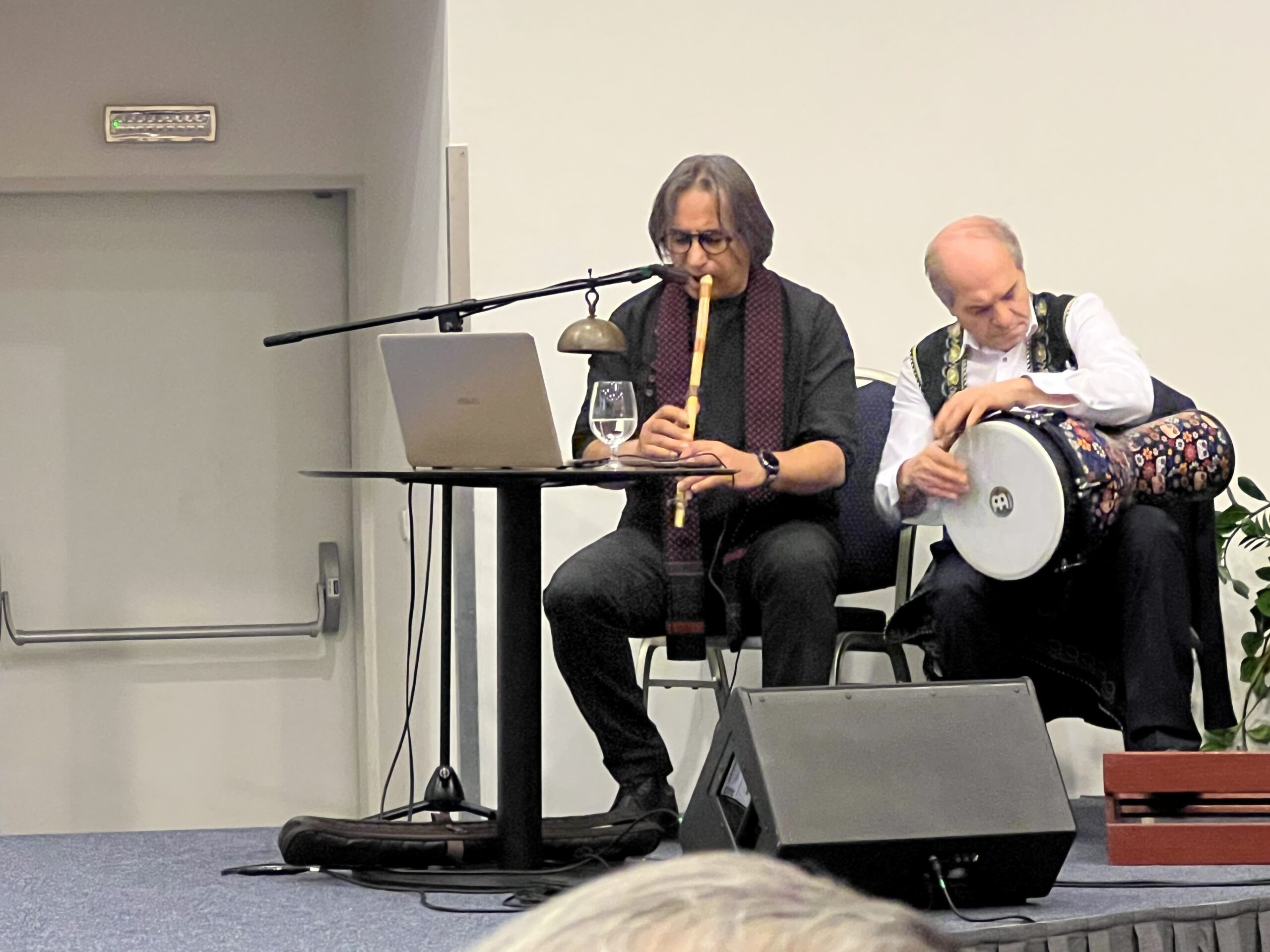
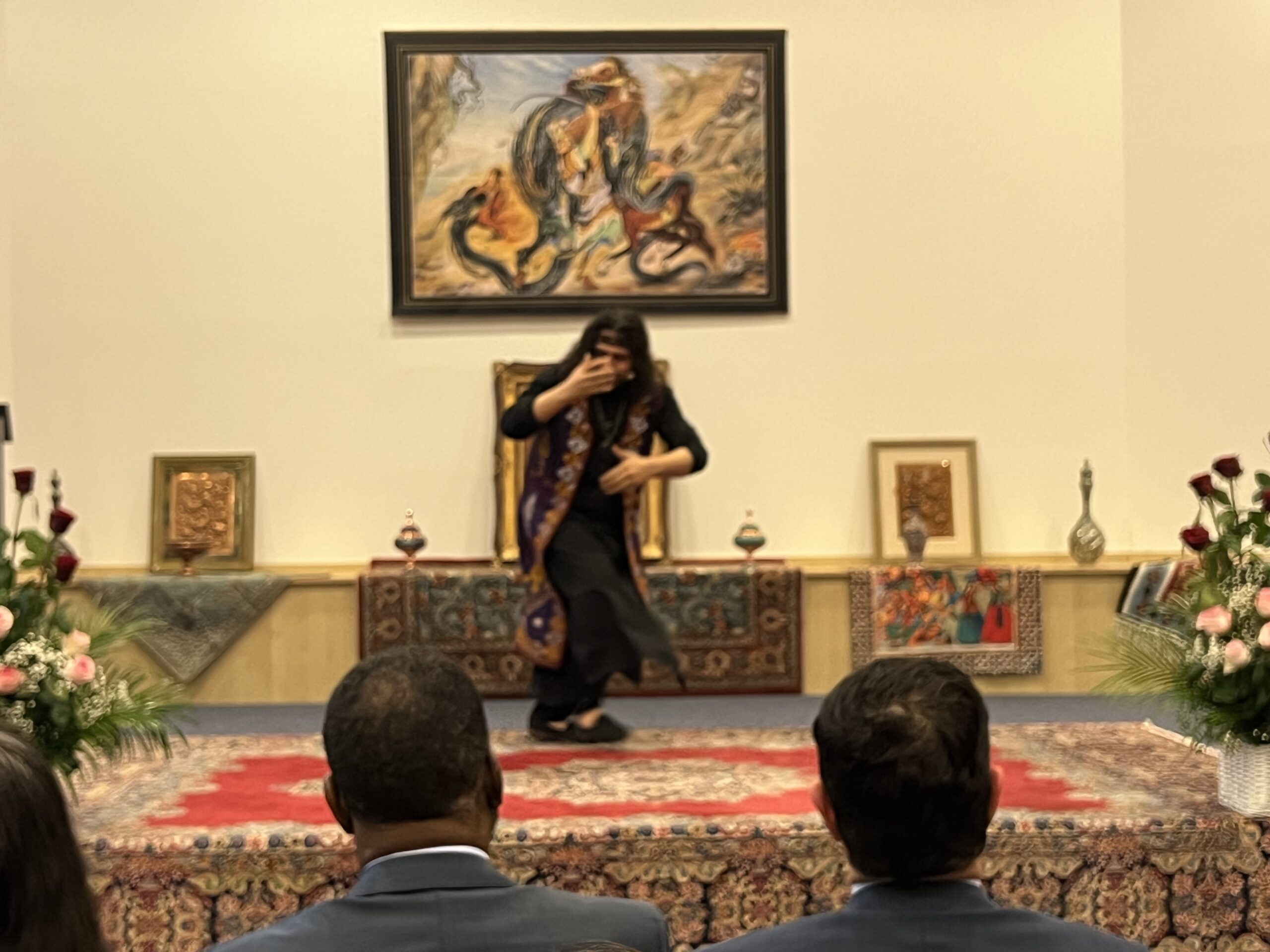
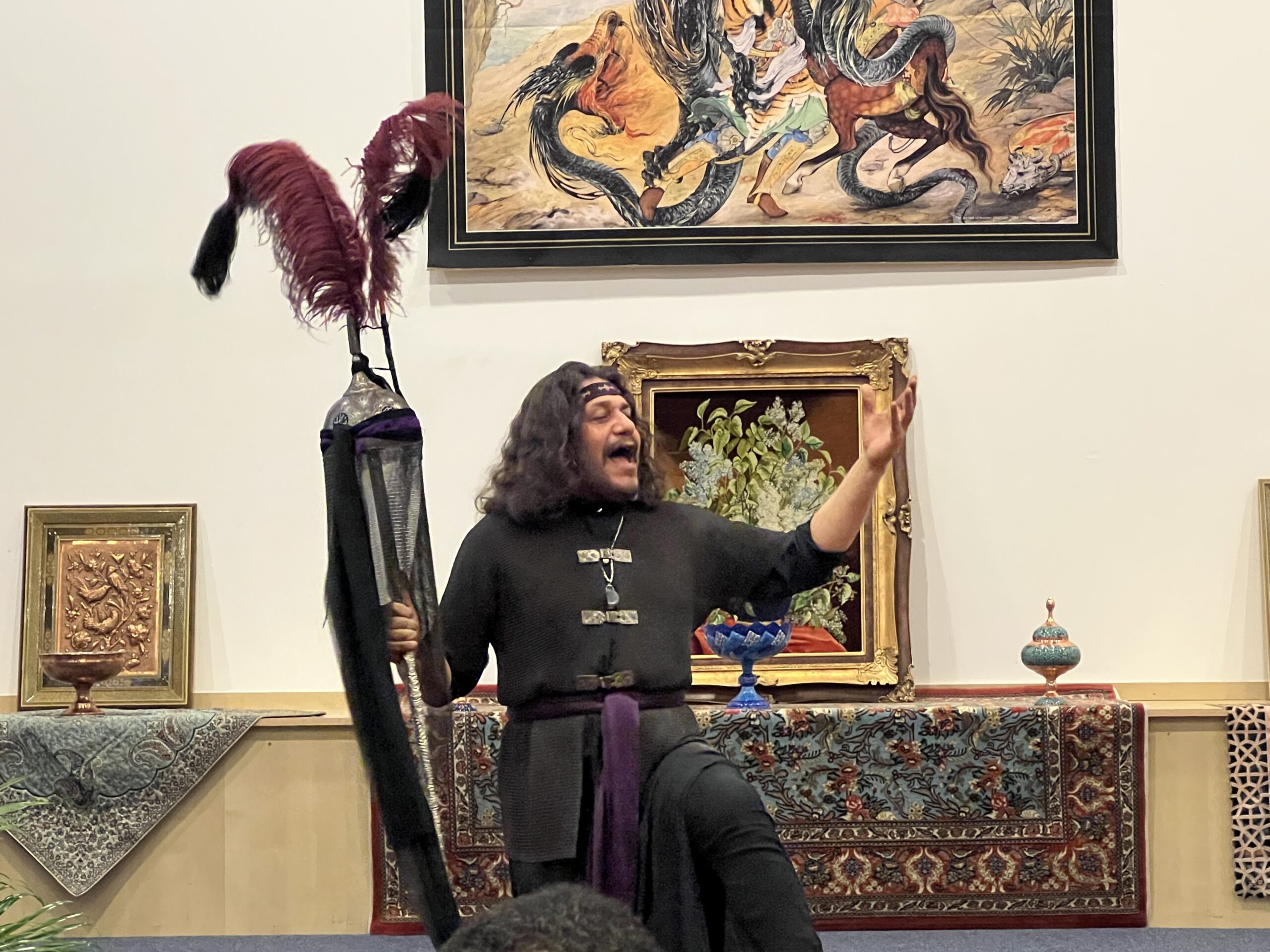
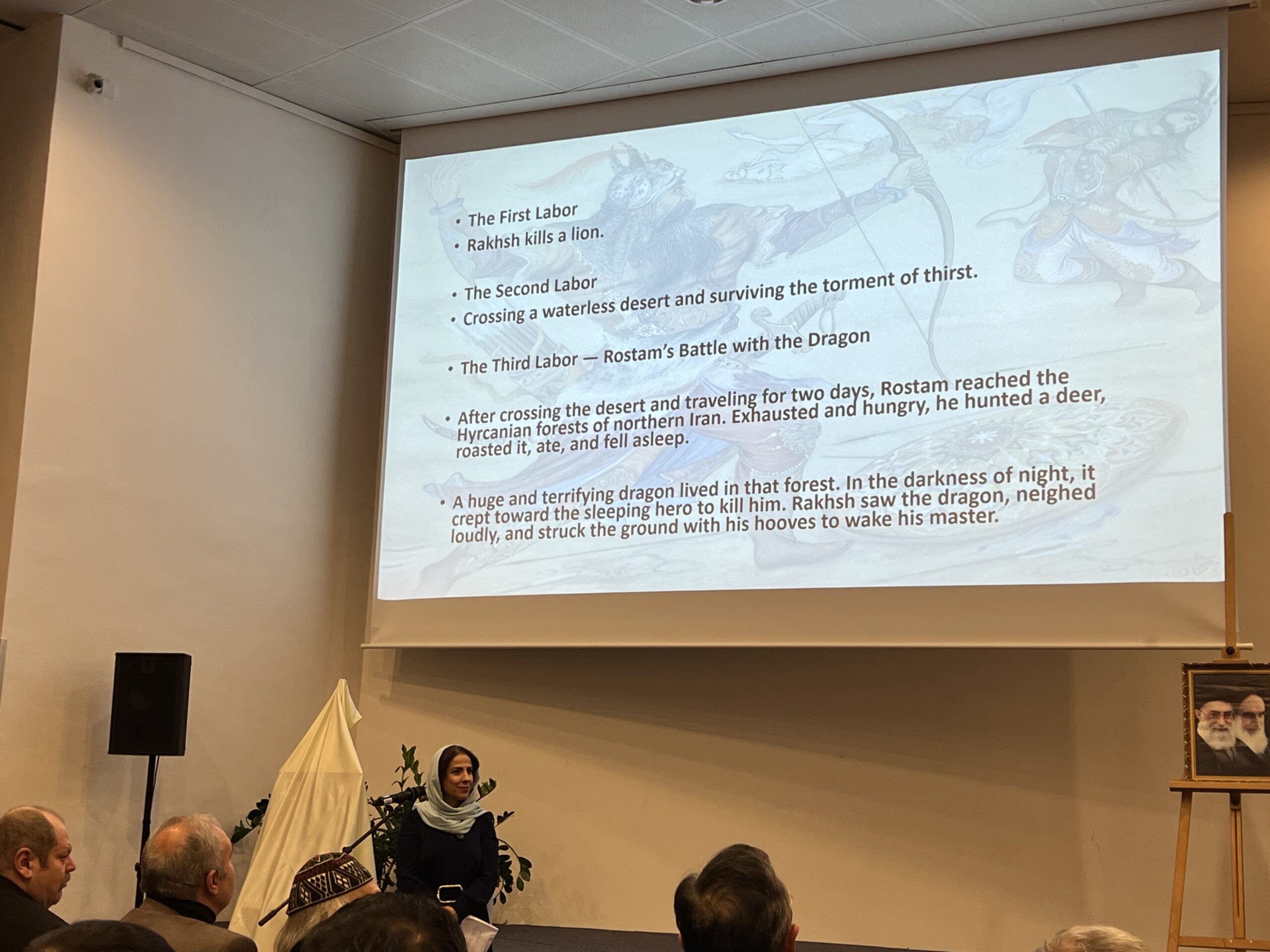
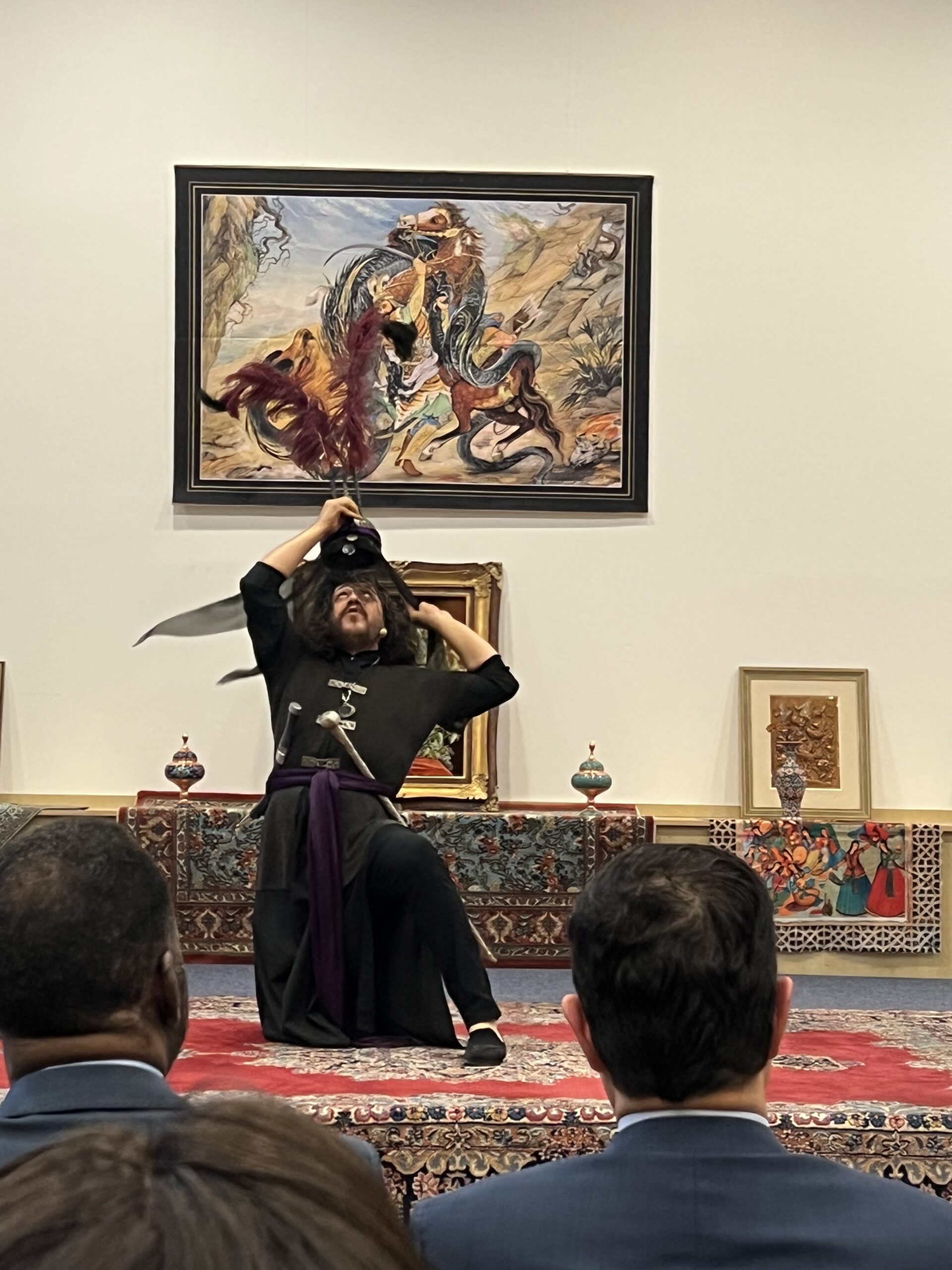
The highlight of the evening was the Traditional Iranian Ritual of Reciting Ferdowsi’s Shahnameh, performed by the renowned Iranian narrator Master Mojtaba Hassanbeigi, accompanied by a musical performance by Master Eshagh Chegini.
The Shahnameh (“The Book of Kings”), composed around the year 1010 by the Persian poet Ferdowsi, is one of the greatest epic works in world literature. Consisting of nearly 50,000 rhyming couplets, it recounts the mythical and historical past of Persia from the creation of the world to the early Islamic period.
More than a literary masterpiece, the Shahnameh preserved the Persian language and cultural memory at a decisive historical moment. Through legendary heroes such as Rostam, the epic explores themes of courage, justice, loyalty, destiny, and moral responsibility. The ritual recitation tradition — historically performed by professional storytellers known as naqqāls — transforms poetry into a living communal experience. In Prague, this centuries-old art form resonated deeply with the audience.
The musical accompaniment added emotional intensity, blending narrative and melody into a powerful cultural expression that bridged ancient Persia and contemporary diplomacy.
Exhibition of Miniatures by the Late Master Mahmoud Farshchian
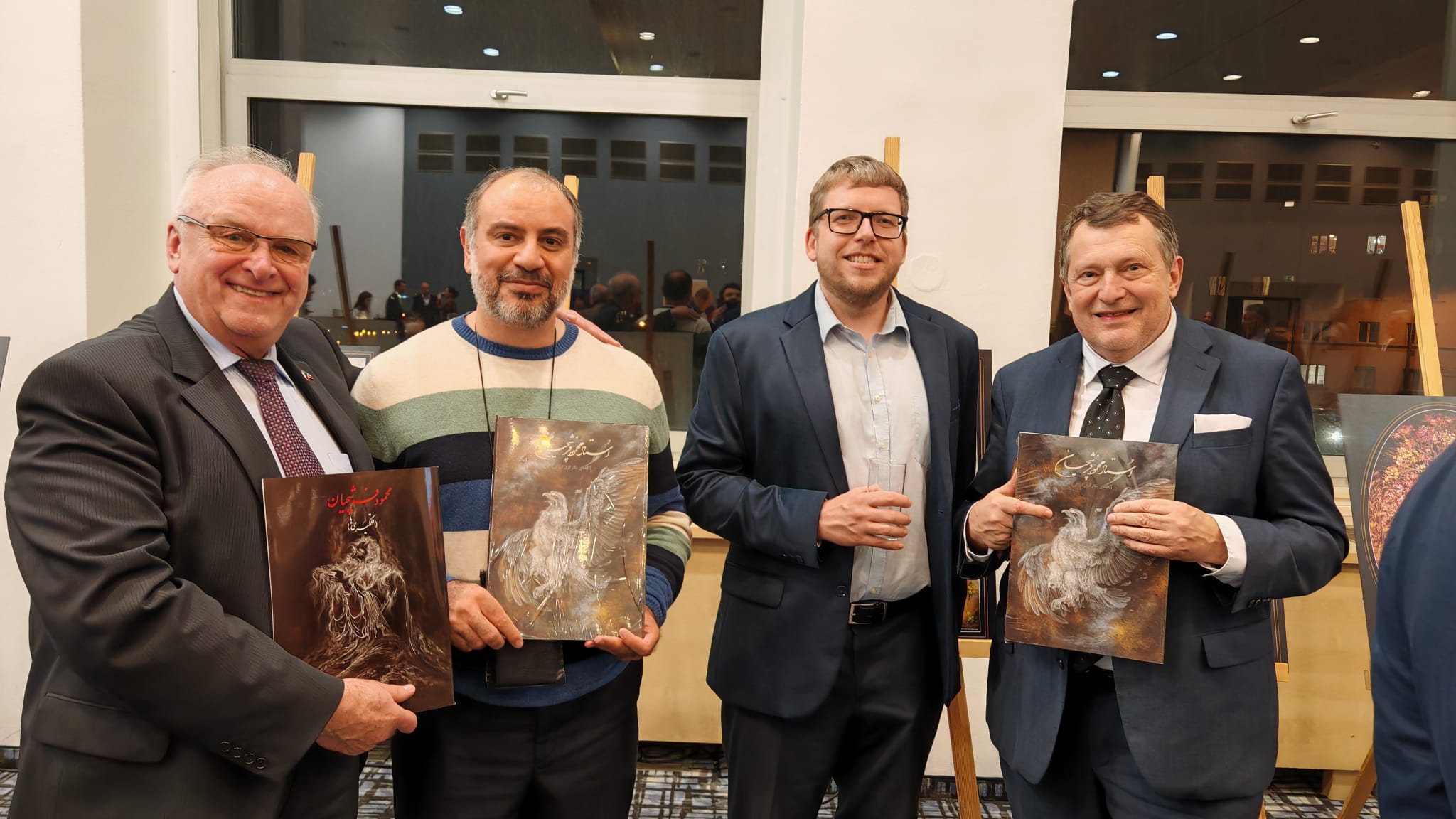
Complementing the recital was the “Faxi Milay” Exhibition of Miniatures featuring works by the late Master Mahmoud Farshchian, widely regarded as the greatest modern master of Persian miniature painting.
Farshchian revitalized a classical artistic tradition dating back to the Timurid and Safavid eras. Persian miniatures are known for their intricate detail, luminous colors, and symbolic depth. Historically, they illustrated manuscripts of epic literature, including the Shahnameh.
Farshchian preserved this heritage while introducing dynamic movement and spiritual expressiveness into his compositions. His works often reflect themes of mysticism, poetry, and transcendence. Displaying his art during the National Day celebration symbolized the continuity of Iranian cultural identity through centuries of change.
Culinary Diplomacy
Following the cultural program, guests enjoyed an exquisite Persian dinner prepared in collaboration between the embassy’s chef and the culinary team of Hotel Pyramida. Fragrant saffron rice, refined stews, tender kebabs, herb-rich dishes, and delicately flavored desserts reflected the diversity and sophistication of Iranian cuisine.
The shared meal encouraged conversation and connection — reminding guests that gastronomy, like music and poetry, can serve as a bridge between nations.
Historical Background of the National Day
Iran’s National Day commemorates the anniversary of the Islamic Revolution of 1979, a transformative moment in the country’s modern history. The revolution reshaped the state’s political structure and established the Islamic Republic.
While interpretations of that historical turning point differ internationally, the anniversary remains a significant moment of national reflection for Iranians at home and abroad. It represents sovereignty, identity, and the nation’s ongoing development in a rapidly changing global environment.
Geopolitical Context and Hope for Stability
Iran currently navigates a complex geopolitical landscape marked by regional tensions, economic challenges, and international negotiations. In this context, the reception in Prague conveyed a message of dialogue, cultural dignity, and sovereign development.
Speakers emphasized the importance of peaceful solutions, mutual respect among nations, and the avoidance of destabilizing foreign interventions. Cultural diplomacy, as demonstrated during the evening, remains an essential channel for fostering understanding beyond political disagreements.
Honoring Heritage, Looking Forward
The National Day celebration at Hotel Pyramida was more than a diplomatic formality. Through epic poetry, refined miniature art, music, and cuisine, the event presented a comprehensive portrait of Iranian civilization — one defined by artistic brilliance, intellectual depth, and cultural resilience.
As guests departed, they carried with them not only memories of an elegant evening, but also a deeper appreciation of Persia’s enduring contribution to world culture and a renewed hope that dialogue and cooperation will guide the future.
___________________________________________________________________________________________
جشن روز ملی ایران در پراگ: فرهنگ، میراث و پیامی از گفتگو
روز جمعه، ۱۳ فوریه، جناب آقای سید مجید قافله باشی، سفیر جمهوری اسلامی ایران در جمهوری چک، به مناسبت روز ملی ایران، ضیافتی باشکوه در هتل پیرامیدا در پراگ برگزار کردند. دیپلماتها، نمایندگان نهادهای سیاسی و فرهنگی، اعضای جامعه تجاری و دوستان ایران برای شبی گرد هم آمدند که ترکیبی از تأمل تاریخی، تعالی هنری و ظرافت آشپزی بود.
این جشن، عمق تمدن ایرانی – یکی از قدیمیترین سنتهای فرهنگی مداوم در جهان – را برجسته کرد و بر اهمیت گفتگو و دیپلماسی فرهنگی در دوران پیچیدگیهای ژئوپلیتیکی تأکید ورزید.
یک اثر فرهنگی محوری: قرائت شاهنامه فردوسی
نکته برجسته این شب، آیین سنتی ایرانی قرائت شاهنامه فردوسی بود که توسط استاد مجتبی حسنبیگی، نقال مشهور ایرانی، به همراه اجرای موسیقی توسط استاد اسحاق چگینی اجرا شد.
شاهنامه (“کتاب پادشاهان”) که حدود سال ۱۰۱۰ میلادی توسط شاعر ایرانی، فردوسی، سروده شده است، یکی از بزرگترین آثار حماسی در ادبیات جهان است. این اثر که شامل نزدیک به ۵۰۰۰۰ بیت قافیهدار است، گذشته اسطورهای و تاریخی ایران را از خلقت جهان تا اوایل دوره اسلامی بازگو میکند.
شاهنامه، بیش از یک شاهکار ادبی، زبان و حافظه فرهنگی فارسی را در یک لحظه تاریخی تعیینکننده حفظ کرد. این حماسه از طریق قهرمانان افسانهای مانند رستم، مضامین شجاعت، عدالت، وفاداری، سرنوشت و مسئولیت اخلاقی را بررسی میکند. سنت تلاوت آیینی – که از نظر تاریخی توسط قصهگویان حرفهای معروف به نقالها اجرا میشد – شعر را به یک تجربه جمعی زنده تبدیل میکند. در پراگ، این هنر چند صد ساله عمیقاً با مخاطبان طنینانداز شد.
همراهی موسیقی، شدت احساسی را افزایش داد و روایت و ملودی را به یک بیان فرهنگی قدرتمند تبدیل کرد که ایران باستان و دیپلماسی معاصر را به هم پیوند داد.
نمایشگاه مینیاتورهای استاد فقید محمود فرشچیان
نمایشگاه مینیاتور «فاکسی میلای» با آثاری از استاد فقید محمود فرشچیان، که به طور گسترده به عنوان بزرگترین استاد مدرن نقاشی مینیاتور ایرانی شناخته میشود، مکمل این مراسم بود.
فرشچیان یک سنت هنری کلاسیک را که قدمت آن به دوران تیموری و صفوی برمیگردد، احیا کرد. مینیاتورهای ایرانی به دلیل جزئیات پیچیده، رنگهای درخشان و عمق نمادین خود شناخته میشوند. از نظر تاریخی، آنها نسخههای خطی ادبیات حماسی، از جمله شاهنامه را مصور کردهاند.
فرشچیان این میراث را حفظ کرد و در عین حال حرکت پویا و بیان معنوی را در آثار خود وارد کرد. آثار او اغلب منعکس کننده مضامین عرفان، شعر و تعالی هستند. نمایش هنر او در طول جشن روز ملی، نمادی از تداوم هویت فرهنگی ایران در طول قرنها تغییر بود.
دیپلماسی آشپزی
پس از برنامه فرهنگی، مهمانان از یک شام ایرانی نفیس که با همکاری سرآشپز سفارت و تیم آشپزی هتل پیرامیدا تهیه شده بود، لذت بردند. برنج زعفرانی معطر، خورشهای تصفیهشده، کبابهای نرم، غذاهای غنی از سبزیجات و دسرهای خوشطعم، تنوع و پیچیدگی غذاهای ایرانی را منعکس میکنند.
این وعده غذایی مشترک، گفتگو و ارتباط را تشویق میکرد – به مهمانان یادآوری میکرد که آشپزی، مانند موسیقی و شعر، میتواند به عنوان پلی بین ملتها عمل کند.
پیشینه تاریخی روز ملی
روز ملی ایران، سالگرد انقلاب اسلامی ۱۹۷۹، لحظهای دگرگونکننده در تاریخ مدرن کشور را گرامی میدارد. این انقلاب، ساختار سیاسی کشور را تغییر داد و جمهوری اسلامی را تأسیس کرد.
در حالی که تفسیرهای آن نقطه عطف تاریخی در سطح بینالمللی متفاوت است، این سالگرد همچنان لحظهای مهم از تأمل ملی برای ایرانیان در داخل و خارج از کشور است. این انقلاب، حاکمیت، هویت و توسعه مداوم ملت را در یک محیط جهانی که به سرعت در حال تغییر است، نشان میدهد.
زمینه ژئوپلیتیکی و امید به ثبات
ایران در حال حاضر در یک چشمانداز ژئوپلیتیکی پیچیده قرار دارد که با تنشهای منطقهای، چالشهای اقتصادی و مذاکرات بینالمللی مشخص میشود. در این زمینه، پذیرایی در پراگ پیامی از گفتگو، عزت فرهنگی و توسعه حاکمیتی را منتقل کرد.
سخنرانان بر اهمیت راهحلهای مسالمتآمیز، احترام متقابل بین ملتها و اجتناب از مداخلات خارجی بیثباتکننده تأکید کردند. دیپلماسی فرهنگی، همانطور که در طول شب نشان داده شد، همچنان کانالی ضروری برای تقویت تفاهم فراتر از اختلافات سیاسی است.
گرامیداشت میراث، نگاهی به آینده
جشن روز ملی در هتل پیرامیدا چیزی بیش از یک تشریفات دیپلماتیک بود. این رویداد از طریق اشعار حماسی، هنر مینیاتور ناب، موسیقی و آشپزی، تصویری جامع از تمدن ایرانی ارائه داد – تمدنی که با درخشش هنری، عمق فکری و تابآوری فرهنگی تعریف میشود.
هنگام عزیمت مهمانان، آنها
Recent posts
See AllPrague Forum Membership
Join us
Be part of building bridges and channels to engage all the international key voices and decision makers living in the Czech Republic.
Become a member