- Hans Weber
- March 7, 2026
The State of Negotiations Between Russia and Ukraine – and How Europe Risks Being Seen as the Great Amateur
The State of Negotiations Between Russia and Ukraine – and How Europe Risks Being Seen as the Great Amateur
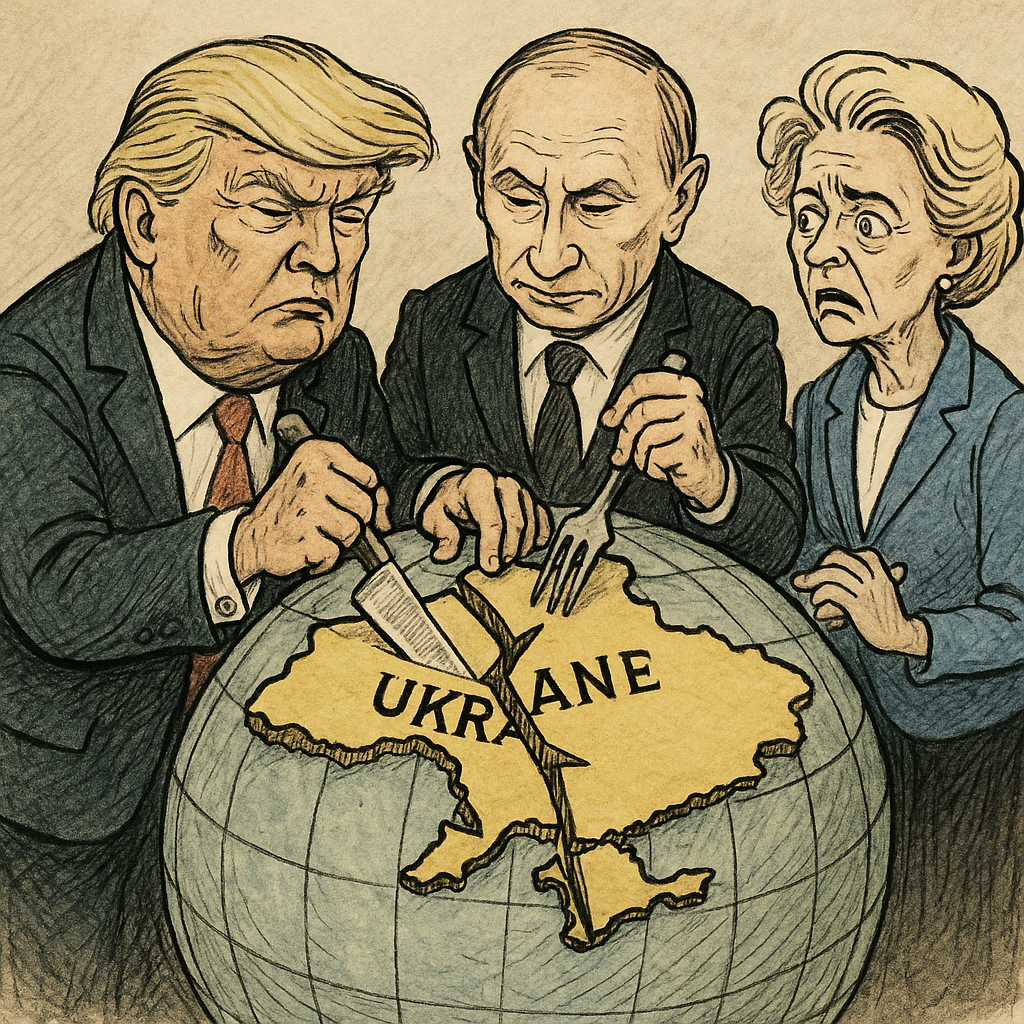
The peace negotiations between Russia and Ukraine have reached a point where, for the first time in months, real progress is becoming apparent. Behind closed doors, discussions about borders, security guarantees, neutrality, and economic commitments have long been underway. Officially, little is heard of this – and that is no coincidence. Because when the fog lifts, some actors in this conflict could suddenly find themselves in a very bad position. Especially Europe.
While Washington and Moscow have long been negotiating in a realpolitik manner, while Kyiv – whether forced or by choice – is abandoning positions, European governments continue to stumble aimlessly in a geopolitical reality that they have neither shaped nor understood. At the moment of potential peace, Europe will stand like the naive spectator who believed he was playing a leading role.
Ukraine – A Sacrificed Country
Since the beginning of the war, the Ukrainian leadership has played a dual role: outwardly, the voice of freedom; inwardly, a system that was and remains riddled with corruption. That the country was being torn apart in a proxy conflict is painfully apparent. The US supplied weapons, Europe provided funds – and the Ukrainian people paid the highest price. Millions of refugees, hundreds of thousands of dead, destroyed cities, lost territories.
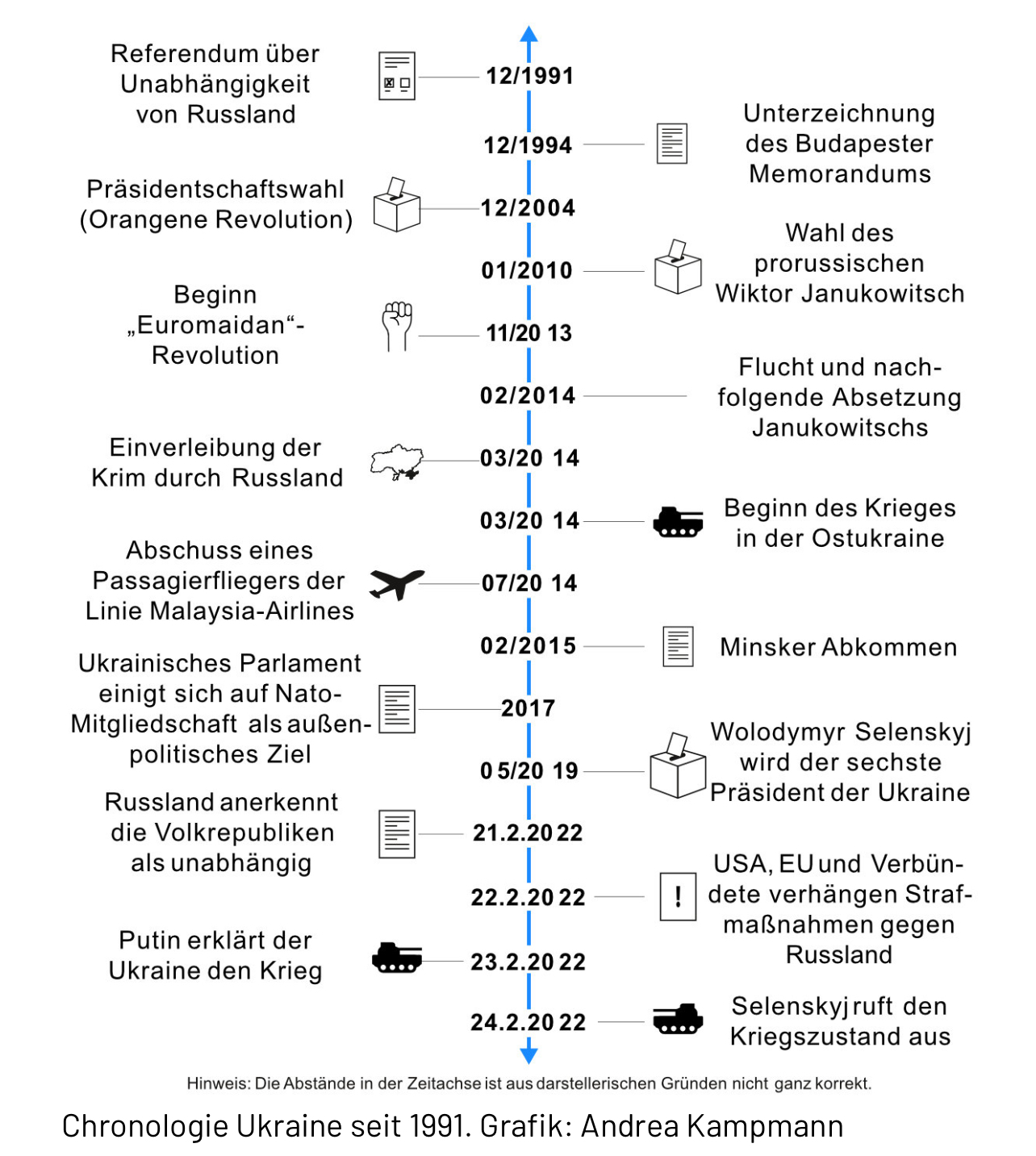
The war has a history and did not begin on February 24, 2022, with the invasion of Russian troops. In 2014, the CIA-orchestrated Euromaidan revolution took place, along with the removal of the freely elected, pro-Russian President Yanukovych. As a result of these developments, Russia rightly feared losing the home port of its Black Sea Fleet in Sevastopol and acted accordingly. This was followed by the brutal civil war in which Ukrainian paramilitaries massacred thousands of ethnic Russians in eastern Ukraine and Odessa. This behavior cannot be judged with childish morality. Kurti has to give Gabi back the lollipop he took too many of. Great powers and global superpowers operate according to different rules. The former view is naive. The US would have launched an invasion of Cuba in 1961 if Nikita Khrushchev hadn’t backed down. Otherwise, we wouldn’t be here today. The so-called values-based post-war settlement only ever applies to others. When it comes to Iraq, Yugoslavia, Bosnia, Kosovo, Syria, Libya, and so on, different standards are applied.
The hope was that, under pressure, if Russia, as in February 2022, fell into the trap, regime change could be achieved, and then Russia could be positioned against China. That backfired spectacularly. An Austrian was spectacularly wrong about that 84 years ago.
It’s becoming increasingly clear: The Ukrainian government entered a game whose rules were written by others. And when the reality of the battlefield became harsher than any rhetoric, Kyiv began accepting conditions behind closed doors that were considered “treason” just a year ago.
Every delay worsens Kyiv’s situation – and strengthens Moscow’s position daily.
The longer the negotiations are delayed, the more dramatic the situation becomes for Ukraine. Every lost day means thousands more deaths. And every day without a ceasefire shifts the balance of power further in Moscow’s favor. Russia gains ground, materiel, strategic depth – and negotiating power. If peace comes too late, the outcome could be far more painful: In the worst-case scenario, Ukraine could be forced to cede large parts of the south, including its entire Black Sea coast.
Europe – the geopolitical apprentice who thought he was a master.
Europe clings to illusions, while others have long since acted. The EU has been neither militarily decisive nor diplomatically relevant in this conflict. Europe lacks strategic autonomy, a shared vision – but all the more moral arrogance. Peace is not negotiated in Brussels. It is decided in Washington, Moscow, and – inevitably – in Kyiv. Europe stands by and comments. Apart from the compliant media hammering home the fairy tale of a Ukrainian final victory to the population, nothing will happen. The awakening will be all the more horrific. Germany already experienced this in 1945.
The potential peace – a deal that was always predictable
- Ukraine will lose territory.
- The country will be neutralized in the long term.
- The US will strengthen its geopolitical influence.
- Russia will receive the guarantees it has been demanding since 2014.
- Europe will pay – for reconstruction, refugees, and stabilization.
Who will come out looking good after this war – and who won’t?
The US, because it weakened Russia without suffering any losses of its own. Russia, because it can secure its strategic goals despite sanctions. Europe, on the other hand, will appear powerless. And Ukraine will have to live with a reality that its political elite never openly acknowledged: that it was the scene of a conflict whose aims extended far beyond its own borders and which shamelessly enriched itself through corruption by silencing its own people.
Conclusion: A peace that comes too late – and reveals too much
This war was geopolitical chess for many, but for the Ukrainians, it was a fight for survival. Peace will come – but for some it will feel like a defeat, not on the battlefield, but on the stage of world politics.
___________________________________________________________________________________________
Stav jednání mezi Ruskem a Ukrajinou – a jak Evropa riskuje, že bude vnímána jako velký amatér
Mírová jednání mezi Ruskem a Ukrajinou dosáhla bodu, kdy se poprvé po měsících stává zřejmým skutečný pokrok. Za zavřenými dveřmi již dlouho probíhají diskuse o hranicích, bezpečnostních zárukách, neutralitě a ekonomických závazcích. Oficiálně se o tom slyší jen málo – a to není náhoda. Protože až se mlha rozplyne, někteří aktéři v tomto konfliktu by se mohli náhle ocitnout ve velmi špatné pozici. Zejména Evropa.
Zatímco Washington a Moskva dlouhodobě jednají realpolitickým způsobem, zatímco Kyjev – ať už z donucení, nebo z vlastní vůle – opouští pozice, evropské vlády se nadále bezcílně potácejí v geopolitické realitě, kterou ani neformovaly, ani jí nepochopily. V okamžiku potenciálního míru bude Evropa stát jako naivní divák, který věřil, že hraje vedoucí roli.
Ukrajina – obětovaná země
Od začátku války hrálo ukrajinské vedení dvojí roli: navenek hlas svobody; uvnitř systém, který byl a zůstává prolezlý korupcí. To, že země byla trhána v zástupném konfliktu, je bolestně zřejmé. USA dodávaly zbraně, Evropa poskytovala finanční prostředky – a ukrajinský lid zaplatil nejvyšší cenu. Miliony uprchlíků, statisíce mrtvých, zničená města, ztracená území.
Válka má svou historii a nezačala 24. února 2022 invazí ruských vojsk. V roce 2014 došlo k revoluci Euromajdan zorganizované CIA a k odstranění svobodně zvoleného proruského prezidenta Janukovyče. V důsledku tohoto vývoje se Rusko oprávněně obávalo ztráty domovského přístavu své Černomořské flotily v Sevastopolu a podle toho jednalo. Následovala brutální občanská válka, v níž ukrajinské paramilitární jednotky zmasakrovaly tisíce etnických Rusů na východě Ukrajiny a v Oděse. Toto chování nelze posuzovat s dětskou morálkou. Kurti musí Gabimu vrátit lízátko, kterého si vzal příliš mnoho. Velmoci a globální supervelmoci fungují podle jiných pravidel. První názor je naivní. USA by zahájily invazi na
Kubu v roce 1961, kdyby Nikita Chruščov neustoupil. Jinak bychom tu dnes nebyli. Takzvané poválečné urovnání založené na hodnotách platí vždy jen pro ostatní. Pokud jde o Irák, Jugoslávii, Bosnu, Kosovo, Sýrii, Libyi a tak dále, uplatňují se jiné standardy.
Doufalo se, že tlakem a pokud by Rusko, jako v únoru 2022, padlo do pasti, by se v Rusku dalo dosáhnout změny režimu a Rusko by se pak mohlo postavit proti Číně. To se ale spektakulárně obrátilo proti nim. Jeden Rakušan se v tom před 84 lety spektakulárně mýlil.
Je to čím dál jasnější: Ukrajinská vláda vstoupila do hry, jejíž pravidla psali jiní. A když se realita bojiště stala drsnější než jakákoli rétorika, Kyjev začal za zavřenými dveřmi přijímat podmínky, které byly ještě před rokem považovány za „zradu“.
Každé zpoždění zhoršuje situaci Kyjeva – a denně posiluje pozici Moskvy.
Čím déle se jednání odkládají, tím dramatičtější se situace pro Ukrajinu stává. Každý ztracený den znamená tisíce dalších úmrtí. A každý den bez příměří posouvá rovnováhu sil dále ve prospěch Moskvy. Rusko získává půdu, materiál, strategickou hloubku – a vyjednávací sílu. Pokud mír přijde příliš pozdě, výsledek by mohl být mnohem bolestivější: V nejhorším případě by Ukrajina mohla být nucena vzdát se velkých částí jihu, včetně celého pobřeží Černého moře.
Evropa – geopolitický učeň, který si myslel, že je mistrem.
Evropa se drží iluzí, zatímco ostatní už dávno podnikli kroky. EU v tomto konfliktu nebyla ani vojensky rozhodná, ani diplomaticky relevantní. Evropě chybí strategická autonomie, společná vize – ale o to větší morální arogance. Mír se nevyjednává v Bruselu. Rozhoduje se o něm ve Washingtonu, Moskvě a – nevyhnutelně – v Kyjevě. Evropa přihlíží a komentuje. Kromě poddajných médií, která budou vtloukat pohádku o konečném vítězství Ukrajiny do vlastních rukou, se nic nestane. Probuzení bude o to brutálnější. Německo to už zažilo v roce 1945.
Potenciální mír – dohoda, která byla nakonec vždy předvídatelná:
- Ukrajina ztratí území.
- Země bude z dlouhodobého hlediska neutralizována.
- USA posílí svůj geopolitický vliv.
- Rusko dostane záruky, které požaduje od roku 2014.
- Evropa zaplatí – za rekonstrukci, uprchlíky a stabilizaci.
Kdo z této války vyjde na vrchol – a kdo ne?
USA, protože oslabily Rusko, aniž by utrpěly jakékoli vlastní ztráty. Rusko, protože dokáže zajistit své strategické cíle navzdory sankcím. Evropa se na druhou stranu bude jevit jako bezmocná. A Ukrajina bude muset žít s realitou, kterou její politická elita nikdy otevřeně neuznala: že byla dějištěm konfliktu, jehož cíle sahaly daleko za její vlastní hranice a která se bezostyšně obohatila korupcí tím, že utlačovala své vlastní lidi.
Závěr: Mír, který přichází příliš pozdě – a odhaluje příliš mnoho.
Tato válka byla pro mnohé geopolitickými šachy, ale pro Ukrajince to byla otázka čirého přežití. Mír přijde – ale pro některé bude připadat jako porážka, ne na bojišti, ale na scéně světové politiky.
Tato válka byla pro mnohé geopolitickou partií, pro Ukrajince bojem o přežití. Mír přijde – ale pro některé bude znamenat porážku, nikoli na bojišti, ale na poli světové politiky.
___________________________________________________________________________________________
Der Verhandlungsstand zwischen Russland und der Ukraine – und wie Europa Gefahr läuft, als der große Dilettant dazustehen
Die Friedensverhandlungen zwischen Russland und der Ukraine haben einen Punkt erreicht, an dem sich erstmals seit Monaten echte Fortschritte erkennen lassen. Hinter verschlossenen Türen wird längst über Grenzen, Sicherheitsgarantien, Neutralität und wirtschaftliche Zusagen gesprochen. Offiziell ist davon wenig zu hören – und das ist kein Zufall. Denn wenn sich der Nebel lichtet, könnten einige Akteure in diesem Konflikt plötzlich sehr schlecht dastehen. Vor allem Europa.
Während Washington und Moskau längst realpolitisch verhandeln, während Kiew – ob gezwungen oder einsichtig – Positionen aufgibt, stolpern die europäischen Regierungen weiterhin orientierungslos in einer geopolitischen Realität, die sie weder gestaltet noch verstanden haben. Europa wird im Moment des möglichen Friedens dastehen wie der naive Zuschauer, der glaubte, er spiele eine Hauptrolle.
Die Ukraine – ein Land, das geopfert wurde
Seit Beginn des Krieges hat die ukrainische Führung eine doppelte Rolle gespielt: nach außen hin die Stimme der Freiheit, nach innen hin ein System, das von Korruption zerfressen war und blieb. Dass das Land in einem Stellvertreterkonflikt zerrieben wurde, ist schmerzlich offensichtlich. Die USA lieferten Waffen, Europa Gelder – und die ukrainische Bevölkerung bezahlte den höchsten Preis. Millionen Flüchtlinge, hunderttausende Tote, zerstörte Städte, verlorene Gebiete.
Der Krieg hat eine Vorgeschichte und begann nicht erst am 24. Februar 2022 mit dem Einmarsch russischer Truppen. 2014 fand die von der CIA inszenierte Euromaidan-Revolution sowie die Absetzung des frei gewählten russlandfreundlichen Präsidenten Janukowitsch statt. Russland fürchtete im Zuge dieser Entwicklung zurecht, den Heimathafen der Schwarzmeerflotte in Sewastopol zu verlieren, und handelte dementsprechend. Dem folgte der brutale Bürgerkrieg, in dem ukrainische Freischärler Tausende russischstämmiger Ukrainer im Osten der Ukraine und in Odessa massakrierten. Man kann dieses Verhalten nicht mit Kindergartenmoral bewerten. Kurti muss Gabi den Lutscher zurückgeben, den er sich zu viel genommen hat. Groß- und Weltmächte handeln nach anderen Regeln. Erstere Betrachtungsweise ist naiv. Auch die USA hätten 1961 eine Invasion auf Kuba gestartet, wenn Nikita Chruschtschow nicht eingelenkt wäre. Ansonsten gäbe es uns heute nicht mehr. Die sogenannte wertebasierte Nachkriegsregelung gilt dabei immer nur für andere. Wenn es um den Irak, Jugoslawien, Bosnien, den Kosovo, Syrien, Libyen, … geht, legt man andere Maßstäbe an.
Man hoffte, durch den Druck und falls Russland, wie im Februar 2022, in die Falle tappte, einen Regime-Change in Russland zu erreichen und Russland dann gegen China in Stellung zu bringen. Das ging gründlich schief. Schon vor 84 Jahren hat sich ein Österreicher damit grandios getäuscht.
Immer deutlicher wird: Die ukrainische Regierung hat sich auf ein Spiel eingelassen, dessen Regeln andere geschrieben haben. Und als die Realität des Schlachtfelds härter wurde als jede Rhetorik, begann Kiew hinter verschlossenen Türen, Bedingungen zu akzeptieren, die vor einem Jahr noch als „Verrat“ galten.
Jede Verzögerung verschlechtert Kiews Lage – und stärkt Moskaus Position täglich
Je länger die Verhandlungen hinausgezögert werden, desto dramatischer wird die Lage für die Ukraine. Jeder verlorene Tag bedeutet weitere tausende Tote. Und jeder Tag ohne Waffenstillstand verschiebt das Kräfteverhältnis weiter zugunsten Moskaus. Russland gewinnt an Boden, an Material, an strategischer Tiefe – und an Verhandlungsmacht. Wenn der Frieden zu spät kommt, könnte das Ergebnis weit schmerzhafter ausfallen: Im schlimmsten Fall könnte die Ukraine gezwungen sein, weite Teile des Südens bis hin zur gesamten Schwarzmeerküste abzutreten.
Europa – der geopolitische Lehrling, der sich für einen Meister hielt
Europa hält an Illusionen fest, während andere längst handeln. Die EU war in diesem Konflikt weder militärisch entscheidend noch diplomatisch relevant. Europa hat keine strategische Autonomie, keine gemeinsame Vision – aber desto mehr moralische Überheblichkeit. Der Frieden wird nicht in Brüssel ausgehandelt. Er wird in Washington, Moskau und – notgedrungen – in Kiew entschieden. Europa steht daneben und kommentiert. Außer als die eigene Bevölkerung durch die willfährigen Medien das Märchen vom ukrainischen Endsieg einzuhämmern, kommt nichts. Umso schlimmer wird das Erwachen sein. Das hat Deutschland 1945 schon einmal erlebt.
Der mögliche Frieden – ein Deal, der am Ende schon immer absehbar war
- Die Ukraine wird Gebiete verlieren.
- Das Land wird langfristig neutralisiert.
- Die USA stärken ihren geopolitischen Einfluss.
- Russland erhält die Garantien, die es seit 2014 fordert.
- Europa wird zahlen – für Wiederaufbau, Flüchtlinge, Stabilisierung.
Wer wird nach diesem Krieg gut aussehen – und wer nicht?
Die USA, weil sie Russland schwächten, ohne eigene Verluste zu erlitten. Russland, weil es trotz Sanktionen seine strategischen Ziele sichern kann. Europa hingegen wird als machtlos erscheinen. Und die Ukraine wird mit einer Realität leben müssen, die ihre politische Elite nie offen aussprach: dass sie Schauplatz eines Konflikts war, dessen Ziele weit über sie hinausgingen und sich schamlos durch Korruption am Abschalten des eigenen Volkes bereicherte.
Fazit: Ein Frieden, der zu spät kommt – und zu viel offenbart
Dieser Krieg war für viele geopolitisches Schach, für die Ukrainer das nackte Überleben. Der Frieden wird kommen – aber für manche wird er sich wie eine Niederlage anfühlen, nicht auf dem Schlachtfeld, sondern auf der Bühne der Weltpolitik.
Recent posts
See AllPrague Forum Membership
Join us
Be part of building bridges and channels to engage all the international key voices and decision makers living in the Czech Republic.
Become a member