- Hans Weber
- February 17, 2026
TRENCIN 2026
Article by Marian S SUCHA
English version below
Trenčínský hrad jako prostor pro současné umění: tři výstavy, tři pohledy na paměť, čas a lásku
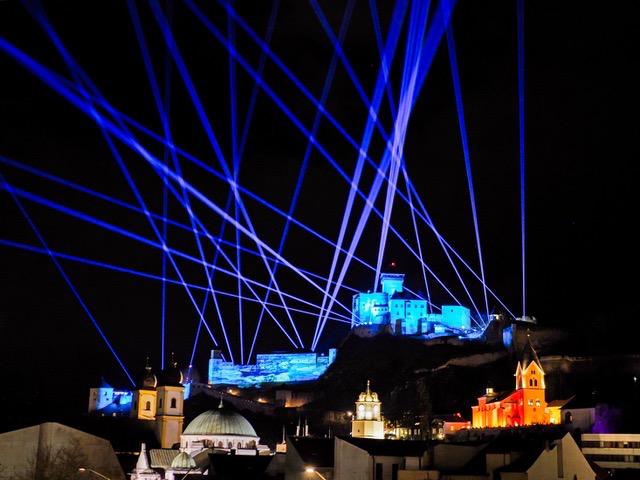
Trenčínský hrad, ikonická dominanta města formovaná staletími historie, hostí díky programu Trenčín 2026 – Evropské hlavní město kultury od 7. února tři výstavy, které vytvářejí jedinečný dialog mezi minulostí a současností.
Turečtí umělci oživují Studnu lásky
První z nich, multimediální site-specific výstava Studna lásky propojuje historický kontext hradu se současnými tématy paměti, mýtu, práce a lidské touhy. Odkazuje na legendu, která je jedním z nejznámějších příběhů, spojených s Trenčínským hradem. Vypráví o mladém Turkovi jménem Omar, který z lásky k uvězněné Fatimě vykopal ve skále hlubokou studnu. A právě díky práci tureckých umělců dnes dostává tento příběh oddanosti a naděje novou podobu prostřednictvím současného umění.
Výstava je situovaná do gotické kaple a Dělové bašty, které formují intimní prostředí, kde světlo, zvuk a hologramy odhalují nové vrstvy známé legendy. Turečtí umělci pracují s moderními technologiemi – od umělé inteligence po holografii – a vytvářejí díla, která nabízejí prostor pro osobní reflexi. „Studna lásky je metaforou pro práci, paměť a hlasy, které se v historii často ztratily,“ říká kurátor výstavy Ekmel Ertan.
Instalace Barbořina nit
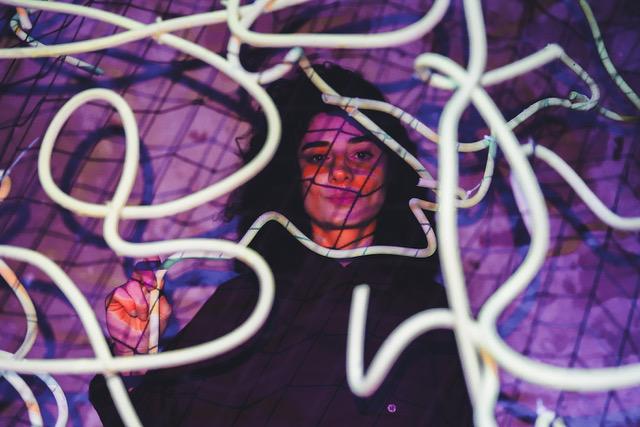
V hradním Barbořině paláci vystavuje portugalská umělkyně Carly Rebelo instalaci Barbořina nit, která pracuje s fragmenty původní dřevěné podlahy z textilní továrny Merina v Trenčíně. Materiál prodchnutý stopami práce a času kombinuje s jemnými vlákny a kresbami v prostoru. Výsledkem je poetické vyjádření kolektivní paměti, v němž se průmyslová minulost města jemně prolíná se současným vnímáním prostoru.
Krystalické ticho: plynutí času jako proces neustálé proměny
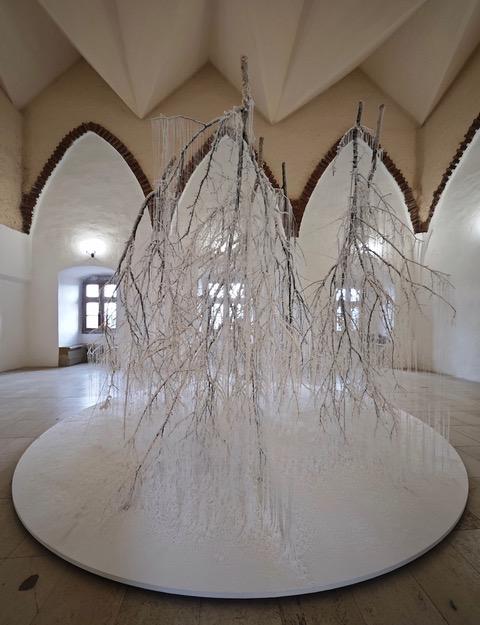
Japonský umělec Yasuaki Onishi uzavírá trojici výstav dílem Krystalické ticho, které proměňuje Rytířský sál v křehkou vertikální krajinu z vlněných vláken někdejší továrny Merina. Pomíjivá instalace kontrastuje s mohutnou architekturou hradu a tematizuje plynutí času jako proces neustálé proměny. Dílo vzniklo ve spolupráci s EU–Japan Fest a zdůrazňuje mezinárodní rozměr projektu Trenčín 2026. „V tichu a prázdnotě vnímáme čas jinak – ne jako něco, co plyne, ale jako něco, co se neustále mění,“ říká Yasuaki Onishi.
___________________________________________________________________________________________
English version
Trenčín Castle as a space for contemporary art: three exhibitions, three perspectives on memory, time, and love
Thanks to the Trenčín 2026 – European Capital of Culture program, Trenčín Castle, an iconic landmark of the city shaped by centuries of history, will host three exhibitions from February 7th, creating a unique dialogue between the past and the present.
Turkish artists revive the Well of Love
The first of these, the multimedia site-specific exhibition The Well of Love, connects the historical context of the castle with contemporary themes of memory, myth, work and human desire. It refers to a legend that is one of the most famous stories associated with Trenčín Castle. It tells the story of a young Turk named Omar, who dug a deep well in the rock out of love for the imprisoned Fatima. And it is thanks to the work of Turkish artists that this story of devotion and hope is now given a new form through contemporary art.
The exhibition is located in the Gothic Chapel and the Cannon Bastion, which form an intimate environment where light, sound, and holograms reveal new layers of a well-known legend. Turkish artists work with modern technologies – from artificial intelligence to holography – and create works that offer a space for personal reflection. “The Well of Love is a metaphor for work, memory, and voices that have often been lost in history,” says the exhibition’s curator, Ekmel Ertan.
Installation Barbara’s Thread
In the castle’s Barbara’s Palace, Portuguese artist Carly Rebelo is exhibiting the installation Barbara’s Thread, which works with fragments of the original wooden floor from the Merina textile factory in Trenčín. The material, imbued with traces of work and time, is combined with fine fibers and drawings in the space. The result is a poetic expression of collective memory, in which the city’s industrial past subtly intertwines with the current perception of space.
Crystalline Silence: The Passage of Time as a Process of Constant Transformation
Japanese artist Yasuaki Onishi concludes his trio of exhibitions with Crystalline Silence, which transforms the Knights’ Hall into a fragile vertical landscape made of wool fibers from the former Merina factory. The ephemeral installation contrasts with the massive architecture of the castle and thematizes time as a process of constant transformation. The work was created in cooperation with EU–Japan Fest and emphasizes the international dimension of the Trenčín 2026 project. “In silence and emptiness, we perceive time differently – not as something that flows, but as something that is constantly changing,” says Yasuaki Onishi.
Recent posts
See AllPrague Forum Membership
Join us
Be part of building bridges and channels to engage all the international key voices and decision makers living in the Czech Republic.
Become a member