- Hans Weber
- September 4, 2026
27 Years of Vision and Progress – King Mohammed VI and Morocco’s Journey into the Twenty-First Century
Article by Hans Weber
I. – A Kingdom Shaped by History and Looking Towards the Future
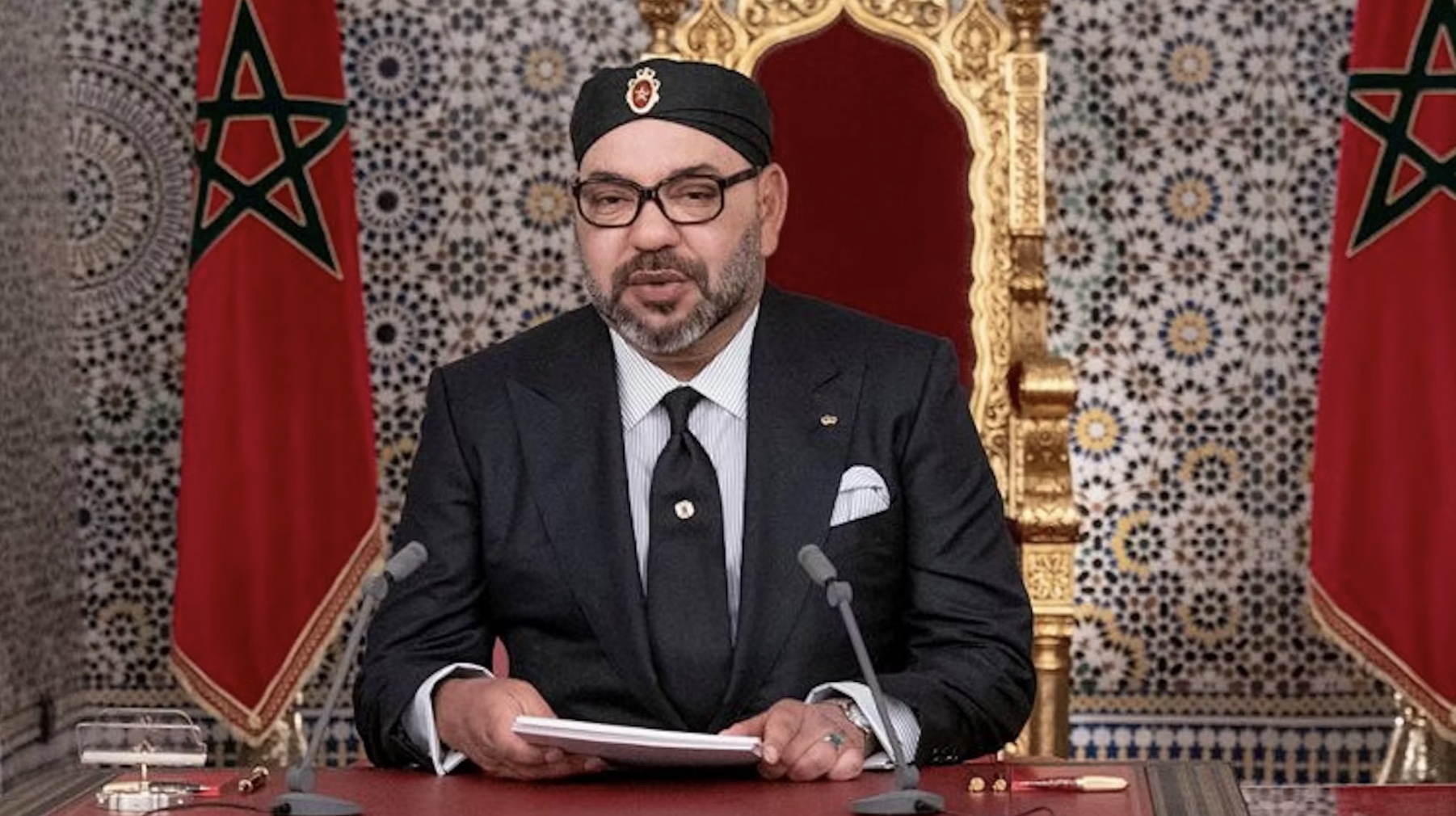
On 30 July 2026, the Kingdom of Morocco celebrates the 27th anniversary of the accession of His Majesty King Mohammed VI to the throne. Known as Throne Day, the occasion is far more than a national holiday. It is a celebration of continuity, stability and national identity, reflecting the enduring bond between the Moroccan monarchy and its people.
Few countries combine such a rich historical heritage with an equally ambitious vision for the future. Stretching from the Atlantic Ocean to the Sahara Desert and standing only fourteen kilometres from Europe across the Strait of Gibraltar, Morocco occupies one of the world’s most strategic geographical positions. For centuries it has served as a meeting point of civilizations, connecting Africa, Europe and the Arab world through trade, diplomacy, culture and religion.
Today, Morocco is widely recognised as one of North Africa’s most dynamic economies and one of the region’s most stable political systems. Modern ports, high-speed railways, expanding industrial centres and world-class renewable energy projects stand alongside medieval medinas, ancient royal cities and traditions that have been carefully preserved over generations. This unique combination of historical continuity and modern ambition has become one of the defining characteristics of the Kingdom under the leadership of King Mohammed VI.
More Than Twelve Centuries of Statehood
Morocco is among the oldest continuously existing states in Africa. Its modern history can be traced back to the foundation of the Idrisid Dynasty in 788 AD, when Idris I established the first independent Islamic state in what is now Morocco. This marked the beginning of more than twelve centuries of uninterrupted statehood—a remarkable achievement in a region that has experienced profound political transformations throughout history.
Over the following centuries, successive dynasties left their mark on the Kingdom.
The Almoravids transformed Marrakesh into one of the great capitals of the Islamic world and extended their influence across much of North Africa and into the Iberian Peninsula. Their successors, the Almohads, presided over an era of extraordinary political power, architectural achievement and intellectual development. Magnificent monuments such as the Koutoubia Mosque in Marrakesh, the Hassan Tower in Rabat and the Giralda in Seville still testify to this remarkable period.
The Merinid Dynasty further strengthened Morocco’s reputation as a centre of scholarship. Universities, libraries and religious schools flourished, while the city of Fez emerged as one of the leading intellectual capitals of the medieval world. The University of Al Quaraouiyine, founded in 859 and widely regarded as the world’s oldest continually operating university, became an important centre for Islamic jurisprudence, philosophy, mathematics and astronomy.
Later, the Saadian Dynasty reinforced Morocco’s position as a major regional power through expanding trade, diplomatic relations and military strength. Throughout these centuries, Morocco developed a distinct political identity that differed from many neighboring states, maintaining an independent monarchy while cultivating extensive commercial links with Europe, sub-Saharan Africa and the wider Mediterranean.
A Crossroads of Civilizations
Few countries possess a cultural identity as rich and diverse as Morocco’s.
The Kingdom’s character has been shaped by the interaction of Amazigh (Berber), Arab, Andalusian, African, Jewish and Mediterranean traditions. Rather than replacing one another, these influences gradually blended into a distinctive Moroccan civilization whose diversity is reflected in every aspect of national life.
This multicultural heritage can be experienced in Morocco’s architecture, cuisine, music, literature and craftsmanship. The narrow streets of Fez preserve medieval workshops where artisans continue centuries-old traditions. Marrakesh combines bustling markets with elegant palaces and gardens. Meknes reflects the grandeur of Morocco’s imperial past, while Rabat, today’s capital, successfully integrates historical monuments with modern institutions.
The Kingdom’s long Atlantic and Mediterranean coastlines have also exposed Morocco to international influences throughout history. Phoenician traders, Roman settlers, Arab scholars, Andalusian refugees and European merchants all contributed to the country’s development. Rather than diminishing Morocco’s identity, these encounters enriched it and strengthened its role as a bridge between different civilizations.
The Alaouite Dynasty: Four Centuries of Continuity
Since the middle of the seventeenth century, Morocco has been ruled by the Alaouite Dynasty, making it one of the world’s oldest reigning royal houses.
Claiming descent from the Prophet Muhammad through his grandson Hassan, the Alaouite monarchs have long combined political authority with religious legitimacy. This dual role has helped provide institutional continuity through periods of regional conflict, colonial rule and global political change.
The twentieth century presented particularly significant challenges. During the French Protectorate, King Mohammed V became the symbol of Morocco’s national aspirations and played a decisive role in achieving independence in 1956. His leadership remains deeply respected as one of the foundations of modern Morocco.
His successor, King Hassan II, ruled for nearly four decades. His reign witnessed substantial constitutional development, economic modernization and the strengthening of Morocco’s international position, while navigating complex regional and geopolitical challenges during the Cold War.
When King Mohammed VI ascended the throne on 30 July 1999, he inherited not only one of Africa’s oldest monarchies but also the responsibility of preparing Morocco for the twenty-first century. His reign has been characterized by an effort to combine respect for tradition with economic reform, technological progress and greater international engagement.
Continuity Meets Modernity
One of Morocco’s greatest strengths lies in its ability to reconcile two seemingly opposite forces: respect for its historical identity and openness to modernization.
In many countries, rapid modernization has sometimes weakened historical traditions. Morocco has sought a different path. Ancient medinas continue to flourish alongside modern business districts. Traditional craftsmanship coexists with advanced manufacturing. Historic royal palaces stand within easy reach of industrial zones producing automobiles, aircraft components and high-technology products for global markets.
This balance between continuity and innovation has become one of the defining themes of Morocco’s development over the past twenty-seven years. Rather than viewing history as a constraint, Morocco has increasingly presented its cultural heritage as a foundation upon which modern economic growth, international cooperation and social development can be built.
As the Kingdom looks toward the future—with preparations for the 2030 FIFA World Cup, expanding investment in renewable energy and growing partnerships across Europe, Africa and the Middle East—it continues to build upon more than twelve centuries of statehood while embracing the opportunities of a rapidly changing world
II. – The Reign of King Mohammed VI: Reform, Modernization and National Transformation
When King Mohammed VI ascended the throne on 30 July 1999, Morocco stood at the threshold of a new century. Globalization, rapid technological change and increasing economic competition were reshaping international relations, while demographic growth and rising expectations demanded new approaches to governance and development.
Having inherited one of the world’s oldest monarchies, the new King faced a dual responsibility. On one hand, he was expected to preserve the historical legitimacy and stability of the Moroccan state. On the other, he was determined to prepare the Kingdom for the opportunities and challenges of the twenty-first century.
From the beginning of his reign, King Mohammed VI emphasized that modernization should not come at the expense of Morocco’s traditions. Instead, economic progress, institutional reform and social development would be pursued while preserving the country’s historical identity and cultural values. This philosophy has become one of the defining characteristics of his leadership.
A Vision of Inclusive Development
One of the King’s earliest priorities was to ensure that economic growth benefited not only the country’s largest cities but also rural regions and disadvantaged communities.
In 2005, Morocco launched the National Initiative for Human Development (INDH), one of the country’s flagship social programs. Designed to combat poverty, social exclusion and regional disparities, the initiative has financed thousands of local projects ranging from schools and health centers to drinking-water systems, vocational training programs and support for small businesses.
Beyond infrastructure, the initiative has sought to strengthen local communities by encouraging citizen participation, entrepreneurship and sustainable development. It reflects the belief that long-term prosperity depends not only on economic indicators but also on improving everyday quality of life.
Healthcare has likewise received increasing attention. Morocco has expanded health insurance coverage, modernized hospitals, and invested in new medical facilities. These reforms have been accompanied by efforts to broaden access to healthcare, particularly in rural areas where services were historically limited.
Education has remained another strategic priority. New universities, vocational training centers and digital education programs have been introduced to prepare younger generations for an increasingly knowledge-based economy. The objective has been to equip Moroccan youth with the skills required to compete in an international labor market while supporting domestic economic growth.
Modernizing the Legal Framework
Among the most internationally recognized reforms of King Mohammed VI’s reign was the modernization of the Moudawana, Morocco’s Family Code.
Introduced in 2004 following extensive national consultation, the reform strengthened the legal position of women in several important areas of family life. It expanded judicial oversight of marriage and divorce, raised the minimum marriage age for women and introduced provisions designed to reinforce family rights and responsibilities.
While Moroccan society continues to debate aspects of family law, the reform represented a significant milestone in the Kingdom’s broader program of legal modernization. It also demonstrated the King’s willingness to encourage gradual institutional evolution while maintaining social stability.
During the following years, Morocco continued to reform its legal and constitutional framework.
The adoption of the 2011 Constitution marked another important chapter in this process. The revised constitution strengthened the role of elected institutions, expanded constitutional guarantees and reaffirmed Morocco’s commitment to the rule of law, human rights and good governance. It also formally recognized Amazigh (Berber) as an official language alongside Arabic, reflecting Morocco’s rich cultural diversity.
Building the Infrastructure of the Twenty-First Century
Perhaps nowhere is Morocco’s transformation more visible than in its infrastructure.
Over the past twenty-seven years, the Kingdom has invested billions of euros in transport, logistics and urban development. These projects have not only improved domestic connectivity but have fundamentally changed Morocco’s position within international supply chains.
The most visible symbol of this transformation is Tanger Med, located near the Strait of Gibraltar.
Since its inauguration, Tanger Med has grown into one of the largest container ports in both Africa and the Mediterranean. Serving hundreds of ports across the globe, it has become a strategic gateway linking Europe, Africa, the Americas and Asia. Around the port, industrial zones have attracted major international manufacturers, particularly in the automotive, aerospace, logistics and electronics sectors.
The Kingdom has simultaneously expanded its motorway network, connecting major cities with modern expressways and reducing transport times throughout the country.
In 2018, Morocco entered a new era of railway transport with the inauguration of Al Boraq, Africa’s first high-speed rail line. Connecting Tangier with Kenitra—and providing rapid onward access to Rabat and Casablanca—the project symbolizes Morocco’s ambition to combine cutting-edge technology with long-term economic planning.
Modern airports, logistics centers and urban transport systems have further reinforced Morocco’s attractiveness as a regional investment hub.
Industrial Transformation
Economic diversification has been another defining feature of King Mohammed VI’s reign.
Traditionally associated with agriculture and phosphate production, Morocco has successfully expanded into higher-value industries.
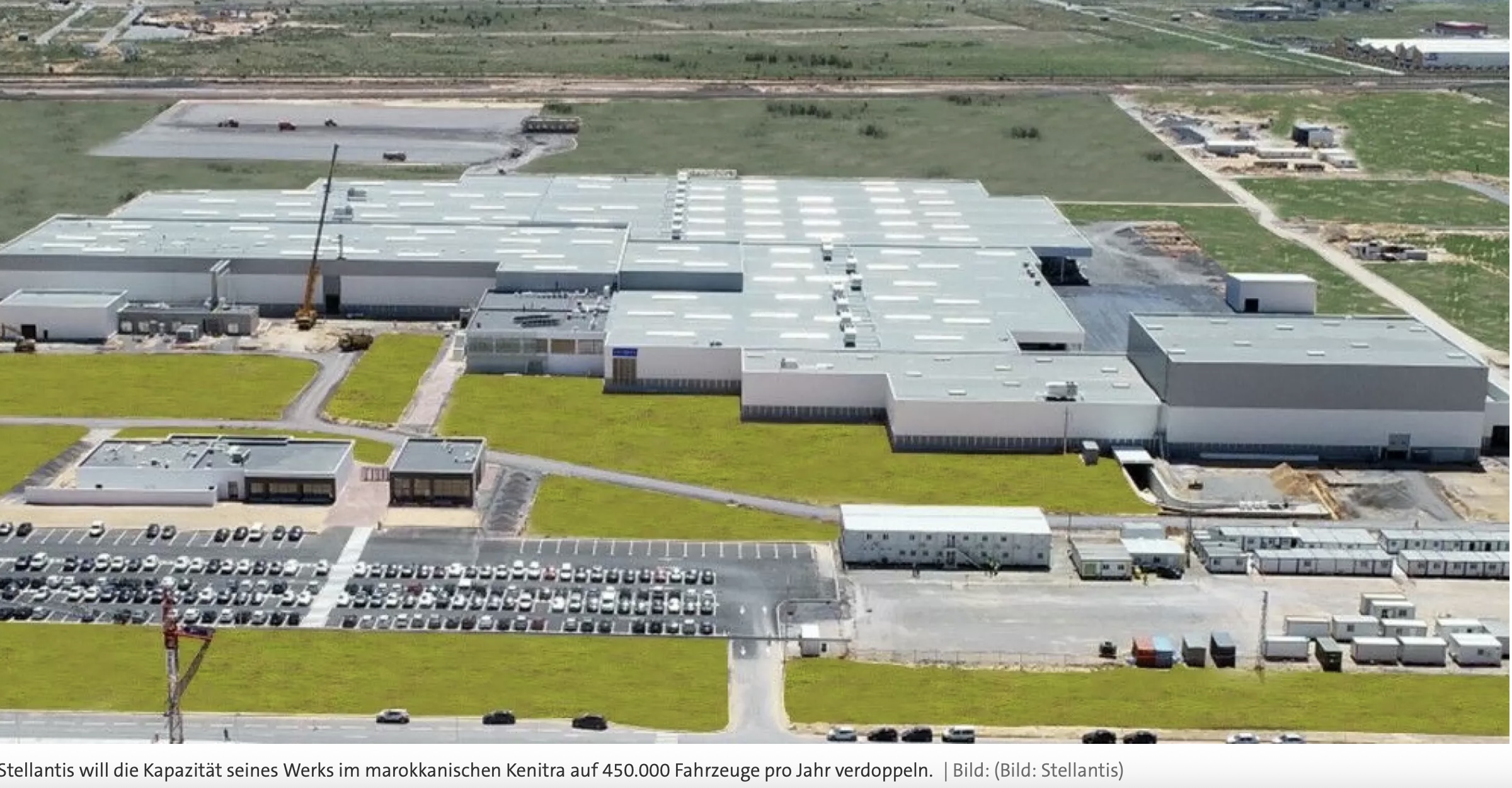
Today, the Kingdom has become one of Africa’s leading automotive manufacturing centers. International companies have established major production facilities, supplying vehicles and components to markets throughout Europe and beyond. The aerospace sector has experienced similar growth, with numerous international suppliers producing sophisticated aircraft components within Moroccan industrial parks.
Electronics, textiles, pharmaceuticals and food processing have also developed into increasingly competitive export industries.
This industrial expansion has generated employment, stimulated technology transfer and strengthened Morocco’s integration into global value chains.
Renewable Energy and Sustainable Development
Recognizing the strategic importance of energy security, Morocco has invested heavily in renewable energy over the past two decades.
The Noor Ouarzazate Solar Complex, one of the world’s largest solar power installations, has become an international symbol of Morocco’s environmental ambitions. Together with expanding wind farms and hydroelectric facilities, these investments aim to reduce dependence on imported fossil fuels while supporting long-term environmental sustainability.
Looking ahead, Morocco is positioning itself as a future leader in green hydrogen production, taking advantage of its abundant solar and wind resources. Combined with growing European demand for clean energy, this sector could become an important pillar of future economic cooperation.
Environmental policy increasingly includes water management, desalination projects and climate resilience—issues of growing importance in a region facing the long-term effects of climate change
Morocco’s Expanding International Role – A Foreign Policy Built on Balance
One of the defining characteristics of King Mohammed VI’s reign has been Morocco’s increasingly active and pragmatic foreign policy. Rather than limiting itself to traditional regional alliances, the Kingdom has pursued a multidimensional strategy that combines close cooperation with Europe, expanding engagement across Africa, constructive relations with the Arab world and growing partnerships with North America and Asia.
Morocco’s geographical position has always given the country strategic importance. Situated at the entrance to the Mediterranean and overlooking one of the world’s busiest maritime routes, the Kingdom naturally serves as a meeting point between continents. Under King Mohammed VI, this geographical advantage has increasingly been transformed into diplomatic and economic influence.
Today Morocco maintains comprehensive political and economic partnerships with the European Union, the United States, Gulf Cooperation Council countries and an increasing number of African nations. Rather than viewing these relationships as competing interests, Moroccan diplomacy seeks to develop complementary partnerships that support long-term stability and economic growth.
This balanced approach has enhanced Morocco’s reputation as a reliable and predictable international partner.
Morocco’s Return to Africa
Perhaps no aspect of Moroccan foreign policy has been more dynamic than the Kingdom’s renewed engagement with the African continent.
Recognizing Africa’s growing economic importance, King Mohammed VI has personally undertaken numerous official visits to countries throughout West, Central and East Africa. These visits have been accompanied by investment agreements, banking cooperation, agricultural partnerships and infrastructure projects.
Moroccan companies today rank among Africa’s most important investors in sectors including finance, telecommunications, insurance, renewable energy and construction.
The Kingdom’s return to the African Union in 2017 symbolized this renewed continental commitment. Since then, Morocco has sought to strengthen economic integration, encourage private-sector investment and expand South-South cooperation.
Rather than viewing Africa primarily through the lens of development assistance, Morocco increasingly presents itself as a long-term economic partner committed to shared prosperity and regional integration.
A Strategic Partnership with Europe
Europe remains Morocco’s closest economic partner.
The European Union absorbs the majority of Moroccan exports while remaining the Kingdom’s largest source of foreign investment, tourism and technology transfer.
Cooperation extends well beyond trade.
Morocco and the European Union work closely in areas such as:
- industrial development,
- higher education,
- scientific research,
- environmental protection,
- renewable energy,
- migration management,
- judicial cooperation,
- counter-terrorism,
- and maritime security.
European companies have invested billions of euros in Morocco’s automotive industry, aerospace production, logistics centres and renewable-energy projects.
For many international businesses, Morocco serves as an ideal production platform that combines competitive costs, political stability and rapid access to both European and African markets.
An Atlantic Vision
During recent years Morocco has increasingly emphasized the strategic importance of the Atlantic.
The Kingdom has promoted major infrastructure projects designed to strengthen commercial links between Atlantic Africa and international markets.
Particular attention has been given to the continued development of the Atlantic coastline, including ports, transport corridors and logistics facilities that could improve access to global trade for several African countries.
Within this broader vision, Morocco increasingly presents itself not simply as a North African state, but as an Atlantic nation connecting Europe, Africa and the Americas.
Security and Regional Stability
Political stability has become one of Morocco’s greatest comparative advantages.
Although the Kingdom faces many of the same economic and social challenges encountered elsewhere in the region, it has largely avoided the institutional disruptions experienced by several neighboring countries during the past two decades.
Successive reforms have combined gradual modernization with institutional continuity, contributing to an environment that many international investors regard as predictable and secure.
Morocco also plays an active role in regional security cooperation.
The Kingdom works closely with European, American and African partners on counter-terrorism, intelligence sharing and efforts to combat organized crime, illegal trafficking and violent extremism.
Its security services are widely respected for their professional cooperation with international partners.
Diplomacy Through Dialogue
Moroccan diplomacy has traditionally favored dialogue over confrontation.
Whether in the Mediterranean, Africa or the Middle East, the Kingdom has consistently sought to position itself as a constructive partner capable of maintaining communication with countries representing different political perspectives.
This diplomatic style reflects Morocco’s broader philosophy of moderation and pragmatism.
Rather than pursuing ideological leadership, Morocco has focused on building practical partnerships based upon mutual economic interests, regional stability and long-term cooperation.
This approach has strengthened the country’s international standing and enhanced its attractiveness as both a political and economic partner.
Towards a Global Role
After nearly three decades under King Mohammed VI, Morocco is no longer viewed solely through a regional perspective.
It has become an increasingly influential actor connecting Europe, Africa and the Arab world.
Modern infrastructure, economic diversification, political stability and an active diplomatic agenda have strengthened Morocco’s international profile and expanded its influence far beyond North Africa.
As preparations continue for the 2030 FIFA World Cup, jointly hosted with Spain and Portugal, Morocco enters a new chapter of international visibility. The tournament is expected not only to showcase the Kingdom’s organizational capabilities but also to accelerate investment, tourism and international cooperation.
Twenty-seven years after his accession to the throne, King Mohammed VI has guided Morocco through a period of profound transformation. While important challenges remain—as they do for every nation—the Kingdom today presents itself with confidence, combining centuries of history with a clear vision for the future.
III. – Economic Transformation: Building One of Africa’s Most Competitive Economies
If Morocco’s political stability has provided the foundation for its development, economic transformation has become the driving force behind the Kingdom’s growing international influence.
When King Mohammed VI came to the throne in 1999, Morocco already possessed considerable advantages: a strategic geographical location, abundant natural resources, a young population and long-standing commercial links with Europe and Africa. The challenge was to convert these advantages into sustainable economic growth.
Over the past twenty-seven years, Morocco has pursued a long-term development strategy based not on dependence upon a single sector but on economic diversification. Today, agriculture, manufacturing, renewable energy, tourism, logistics, finance, digital technologies and international services all contribute to national prosperity.
This broad economic base has made Morocco considerably more resilient to fluctuations in global markets than many economies that depend primarily on oil or a single export commodity.
From an Agricultural Economy to an Industrial Nation
Agriculture remains an essential pillar of Morocco’s economy.
Millions of Moroccans continue to depend directly or indirectly on farming, while the Kingdom is one of the world’s leading exporters of products such as citrus fruits, tomatoes, olives and early vegetables supplied to European markets.
Modern irrigation techniques, investment in water management and improvements in agricultural productivity have strengthened the competitiveness of Moroccan agriculture despite increasingly challenging climatic conditions.
At the same time, Morocco has deliberately expanded beyond its traditional economic strengths.
During the past two decades, the Kingdom has become one of Africa’s leading industrial locations.
Industrial development has not been left to chance. Instead, the government established specialized industrial zones, modern logistics centers and investment incentives designed to attract international companies seeking access to both European and African markets.
This strategy has fundamentally reshaped Morocco’s economic landscape.
The Automotive Success Story
Perhaps no sector better illustrates Morocco’s transformation than the automotive industry.
Today, Morocco is among Africa’s largest vehicle manufacturers and has become an important production base for the European market.
International manufacturers have established major assembly plants and supplier networks, producing passenger cars, commercial vehicles and automotive components for export around the world.
Thousands of highly qualified engineers, technicians and skilled workers are now employed in this rapidly expanding sector.
Around these factories, entire industrial ecosystems have developed, including suppliers of electronics, plastics, metal components, seating systems, wiring harnesses and advanced manufacturing technologies.
The automotive industry has become not only a source of exports but also a catalyst for technological innovation and workforce development.
A Growing Aerospace Industry
Less widely known—but equally impressive—is Morocco’s emergence as an aerospace manufacturing centre.
Over recent years, numerous international aerospace companies have established production facilities within Moroccan industrial parks.
These companies manufacture precision components for commercial aircraft, helicopters and aviation equipment, integrating Morocco into highly sophisticated global supply chains.
The development of this industry demonstrates the increasing availability of highly skilled Moroccan engineers and technicians.
It also reflects the Kingdom’s commitment to investing in education, vocational training and technological capability.
Tanger Med – A Gateway Between Continents
Few infrastructure projects have transformed Morocco’s international position as profoundly as Tanger Med.
Located near the Strait of Gibraltar, where the Mediterranean meets the Atlantic Ocean, the port occupies one of the world’s most strategic maritime locations.
Since its opening, Tanger Med has grown into one of the largest and most modern container ports in Africa and the Mediterranean.
Each year, millions of containers pass through its terminals, connecting Morocco with hundreds of ports worldwide.
Its importance extends far beyond maritime transport.
Around the port, extensive industrial and logistics zones have attracted manufacturers from Europe, Asia and North America. Automotive companies, electronics producers, logistics providers and export-oriented industries benefit from efficient customs procedures, excellent transport links and immediate access to international shipping routes.
For many international investors, Tanger Med represents far more than a port—it is the centerpiece of Morocco’s ambition to become a global logistics hub linking Europe, Africa and the Americas.
Infrastructure as a Competitive Advantage
Economic competitiveness depends not only on factories but also on efficient infrastructure.
Recognizing this, Morocco has invested heavily in roads, railways, airports and urban transport.
Today, thousands of kilometers of modern motorways connect the country’s principal economic centers.
The introduction of Al Boraq, Africa’s first high-speed railway, has significantly reduced travel times between Tangier, Kenitra, Rabat and Casablanca while demonstrating Morocco’s technological ambitions.
Major airports have been expanded to accommodate increasing passenger numbers, reflecting the steady growth of tourism and international business travel.
Urban transport systems have also undergone substantial modernization, improving mobility in Morocco’s largest cities.
These investments have strengthened domestic integration while making Morocco increasingly attractive to international investors seeking efficient logistics and reliable transport infrastructure.
The Phosphate Advantage
Morocco possesses one of the world’s largest reserves of phosphate rock, an essential raw material for producing agricultural fertilizers.
Through the continued development of its phosphate industry, the Kingdom has become one of the world’s leading exporters of phosphate products.
Rather than exporting only raw materials, Morocco has increasingly invested in value-added production, processing phosphate into higher-value fertilizers that support agricultural productivity across the globe.
This strategy illustrates a broader economic philosophy: moving beyond the export of raw commodities towards greater industrial sophistication and technological innovation.
Investment Climate and Business Confidence
One of the most remarkable achievements of the past two decades has been Morocco’s success in attracting international investment.
Political stability, a predictable legal framework, free trade agreements, competitive labor costs and strategic geography have encouraged companies from Europe, North America, the Gulf region and Asia to establish operations in the Kingdom.
Investment promotion agencies, industrial free zones and simplified administrative procedures have further enhanced Morocco’s attractiveness.
Increasingly, international companies view Morocco not merely as a domestic market but as a regional production and export platform serving hundreds of millions of consumers across Europe and Africa.
Economic Reform as a Long-Term Strategy
Rather than pursuing rapid but short-lived economic expansion, Morocco has generally favored gradual structural reform.
Successive development plans have focused on improving competitiveness, strengthening education, encouraging private-sector investment and expanding high-value industries.
This long-term perspective has allowed Morocco to position itself among the continent’s most diversified economies.
Challenges remain—including youth employment, regional disparities and water security—but the overall direction has been one of sustained modernization and increasing international competitiveness.
By combining infrastructure, industrial policy, investment promotion and economic openness, Morocco has laid the foundations for continued growth well into the coming decades.
IV. – Morocco’s International Role: A Strategic Partner Between Europe, Africa and the Atlantic
In the twenty-first century, economic strength alone is no longer sufficient to define a country’s international standing. Political stability, diplomatic credibility, regional engagement and the ability to build partnerships across continents have become equally important. Under the leadership of King Mohammed VI, Morocco has sought to combine these elements into a foreign policy that is pragmatic, forward-looking and firmly anchored in international cooperation.
Rather than positioning itself exclusively within one geopolitical sphere, Morocco has deliberately cultivated close relationships with Europe, expanded its influence throughout Africa, maintained constructive dialogue with the Arab world and strengthened partnerships with the United States, the Gulf countries and Asia. This multidimensional approach has become one of the Kingdom’s greatest diplomatic assets.
Europe: Morocco’s Closest Economic Partner
For decades, Europe has remained Morocco’s principal economic partner.
The European Union is by far Morocco’s largest export market, its most important source of foreign direct investment and one of its leading partners in science, education, tourism and industrial cooperation.
Trade between Morocco and Europe extends far beyond traditional agricultural exports. Today, automobiles, aerospace components, electrical equipment, textiles, processed food products and increasingly sophisticated manufactured goods move across the Strait of Gibraltar every day.
European companies have invested heavily in Moroccan industrial parks, logistics centres and renewable-energy projects. These investments have not only created employment but have also contributed to technology transfer, vocational training and the integration of Moroccan companies into global value chains.
Cooperation also extends to university partnerships, scientific research, environmental protection and innovation. Numerous European institutions collaborate with Moroccan universities and research centres in fields ranging from engineering and medicine to renewable energy and climate science.
For many European businesses, Morocco has become an ideal location from which to serve both European and African markets.
A Bridge to Africa
If Europe represents Morocco’s closest traditional partner, Africa increasingly represents its strategic future.
Over the past two decades, King Mohammed VI has personally undertaken dozens of official visits across the African continent, signing cooperation agreements covering banking, telecommunications, agriculture, renewable energy, infrastructure, education and healthcare.
Moroccan financial institutions are now among the continent’s leading investors.
Telecommunications companies headquartered in Morocco provide services to millions of customers throughout West and Central Africa.
Construction companies, engineering firms and renewable-energy specialists are participating in major infrastructure projects across the continent.
This expansion reflects a broader vision of South-South cooperation, based not simply on development assistance but on long-term investment, knowledge transfer and mutually beneficial economic partnerships.
Morocco’s return to the African Union in 2017 marked another important milestone, reaffirming its commitment to continental cooperation and regional integration.
The Atlantic Vision
In recent years Morocco has increasingly presented itself not only as a Mediterranean nation but also as an Atlantic power.
This concept reflects the growing strategic importance of Atlantic Africa and the opportunities created by expanding maritime trade.
Major investments in ports, logistics corridors and transport infrastructure along Morocco’s Atlantic coast aim to improve commercial links between African countries and international markets.
The continued development of Dakhla is an important element of this vision. Its geographical location offers significant potential as a logistics and commercial hub connecting North Africa with West Africa and the wider Atlantic region.
Morocco has also proposed initiatives designed to facilitate access to the Atlantic Ocean for several landlocked African states, underlining its ambition to contribute to regional connectivity and economic integration.
Renewable Energy: From Energy Importer to Regional Leader
Energy policy has become one of Morocco’s most ambitious national projects.
Unlike many countries in the region, Morocco possesses only limited reserves of fossil fuels. Rather than viewing this as a permanent disadvantage, the Kingdom chose to invest heavily in renewable energy.
The Noor Ouarzazate Solar Complex has become one of the world’s best-known solar-energy projects.
Together with rapidly expanding wind farms and hydroelectric facilities, Morocco has made significant progress towards diversifying its energy mix.
Looking ahead, Morocco also seeks to become an important producer of green hydrogen, using abundant solar and wind resources to generate clean fuels for future European and international markets.
In an era of global energy transition, this strategy has the potential to create new industries, attract investment and strengthen Morocco’s position as an energy partner for Europe.
Innovation, Education and the Digital Economy
Long-term competitiveness increasingly depends on innovation rather than natural resources alone.
Recognizing this reality, Morocco has invested in universities, engineering education, research institutions and technology parks.
Digital transformation has become a national priority.
Government services are increasingly available online.
Technology start-ups are receiving greater institutional support.
International companies continue to establish engineering and software-development centers employing highly qualified Moroccan graduates.
Although challenges remain, particularly regarding youth employment and regional disparities, Morocco is steadily expanding the foundations of a modern knowledge economy.
Political Stability as an Economic Asset
International investors consistently identify one factor that distinguishes Morocco from many emerging markets: predictability.
Political stability, institutional continuity and long-term strategic planning have created an environment that encourages investment decisions extending over decades rather than years.
While Morocco, like every nation, continues to face important economic and social challenges, the Kingdom has generally pursued gradual reform instead of abrupt political change.
This continuity has strengthened investor confidence and allowed major infrastructure and industrial projects to be implemented over extended periods.
For multinational corporations making long-term commitments, such stability represents a significant competitive advantage.
Preparing for the Global Stage
The decision by FIFA to award the 2030 FIFA World Cup jointly to Morocco, Spain and Portugal represents far more than a sporting achievement.
For Morocco, the tournament provides an opportunity to showcase nearly three decades of modernization.
Preparations are expected to accelerate investment in transport infrastructure, airports, stadiums, hospitality, digital services and urban development.
Beyond the immediate economic impact, the World Cup will offer Morocco an unparalleled opportunity to present itself to hundreds of millions of viewers worldwide as a country that successfully combines history, cultural diversity and modern economic ambition.
It will also reinforce Morocco’s image as a natural bridge between Europe and Africa—an image that has become central to the Kingdom’s international identity under King Mohammed VI.
Looking Beyond 2030
After twenty-seven years on the throne, King Mohammed VI has guided Morocco through one of the most significant periods of transformation in its modern history.
The Kingdom has strengthened its economy, modernized its infrastructure, expanded its diplomatic reach and invested heavily in renewable energy, education and industrial development.
Its partnerships with Europe remain strong, its engagement with Africa continues to deepen, and its growing role in the Atlantic region points to new strategic opportunities.
As Morocco approaches the next decade, it does so with confidence rooted in more than twelve centuries of statehood and supported by a clear vision for sustainable development, international cooperation and regional leadership.
V. – Culture, Identity and the Road Ahead
Economic growth and international influence alone cannot explain Morocco’s unique position in the world. Equally important are the country’s cultural richness, religious heritage and centuries-old traditions, which continue to shape its national identity. Under the reign of King Mohammed VI, Morocco has sought to preserve this heritage while embracing modernization, creating a society where history and progress reinforce rather than contradict one another.
For many visitors, Morocco is more than a destination; it is an encounter with one of the world’s oldest living civilizations, where imperial cities, Atlantic beaches, the Atlas Mountains and the Sahara Desert exist within a single national landscape.
A Mosaic of Civilizations
Morocco’s cultural identity has been formed over many centuries by the interaction of Amazigh, Arab, Andalusian, African, Jewish and Mediterranean traditions.
Rather than existing separately, these influences have merged into a distinctive national culture that is immediately recognizable throughout the world.
The historic medinas of Fez, Marrakesh, Meknes, Tetouan and Essaouira preserve architectural styles that reflect this remarkable diversity.
Traditional craftsmanship remains an important part of everyday life. Moroccan artisans continue to produce carpets, ceramics, leather goods, woodwork, textiles and jewelry using techniques passed from one generation to the next.
Moroccan cuisine has become internationally renowned. Couscous, tagines, fresh seafood, aromatic spices and world-famous mint tea represent not merely culinary traditions but expressions of hospitality deeply rooted in Moroccan society.
Music also reflects this diversity. Andalusian classical music, Amazigh traditions, Gnawa rhythms and contemporary Moroccan artists together demonstrate the country’s extraordinary cultural vitality.
Religious Moderation and Dialogue
Religion occupies an important place within Moroccan society.
As Commander of the Faithful, King Mohammed VI has consistently emphasized moderation, coexistence and respect for religious diversity.
Morocco has invested in the education of imams and religious scholars, both for its own institutions and for several African partner countries, promoting an interpretation of Islam that rejects extremism while encouraging dialogue and mutual respect.
The Kingdom also preserves an important Jewish heritage that extends back many centuries. Historic synagogues, cemeteries and cultural sites have been restored in various parts of the country, reflecting Morocco’s recognition of the historical contribution made by its Jewish community.
This commitment to preserving cultural and religious diversity has strengthened Morocco’s international reputation as a country that values coexistence while remaining firmly rooted in its own traditions.
Tourism: Discovering the Kingdom
Tourism has become one of Morocco’s most dynamic economic sectors.
Each year, millions of visitors travel to the Kingdom to experience its extraordinary variety of landscapes and cultural attractions.
The Atlantic coastline offers modern seaside resorts and surfing destinations.
The Mediterranean coast combines historic ports with growing tourist infrastructure.
The Atlas Mountains attract hikers, climbers and winter sports enthusiasts.
Further south, the Sahara provides one of the world’s most memorable desert landscapes.
Imperial cities such as Rabat, Fez, Marrakesh and Meknes continue to fascinate travelers through their architecture, museums, markets and centuries-old traditions.
The Moroccan government has invested heavily in airports, highways, hotels and heritage restoration, recognizing tourism as both an important economic sector and an opportunity to present Morocco’s cultural identity to the world.
The Southern Provinces and Regional Development
An important element of Morocco’s long-term national development strategy has been the expansion of infrastructure and economic investment in its southern provinces.
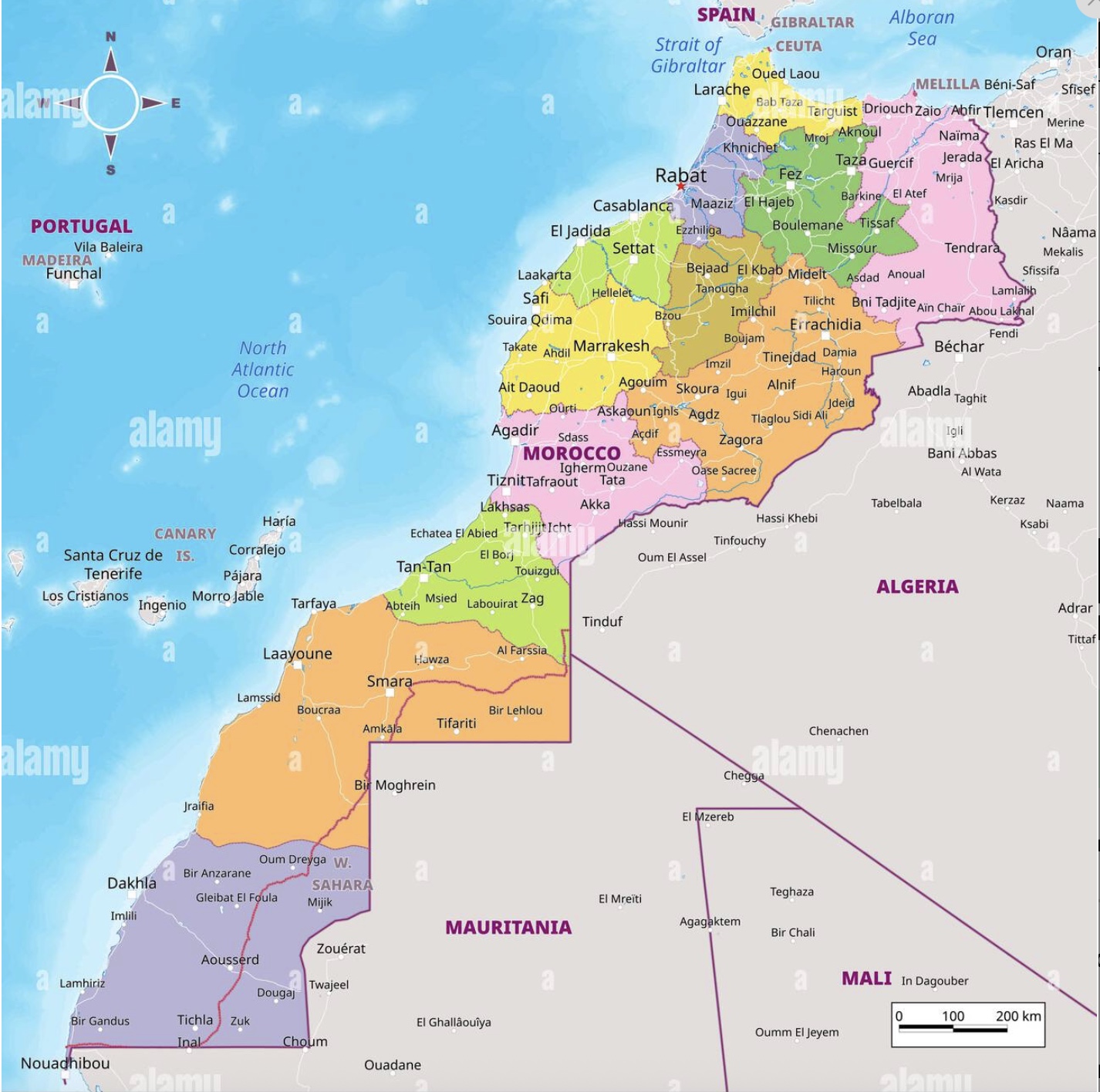
Large-scale public investment has focused on modern transport infrastructure, renewable energy projects, fisheries, urban development, and new economic opportunities in cities such as Laayoune and Dakhla.
The Moroccan government presents these initiatives as part of a broader vision to strengthen regional prosperity, improve living standards, and deepen economic links with sub-Saharan Africa.
At the same time, the former Spanish colony of Western Sahara is becoming a well-integrated part of the Kingdom in an international political process under the auspices of the United Nations. Morocco continues to advocate its autonomy proposal as the basis for a political solution, while diplomatic discussions continue within the UN framework.
The Kingdom’s approach combines continued investment in the region with efforts to promote long-term stability and economic development.
If it had not become a part of the Kingdom of Morocco again, as it was in the past, it would probably be another failed state in Africa.
Preparing for a New Global Showcase
The awarding of the 2030 FIFA World Cup to Morocco, Spain and Portugal represents a historic milestone.
For Morocco, the tournament is expected to become far more than a sporting event.
Preparations already include investment in transport infrastructure, stadiums, airports, hospitality and digital services.
Equally important, the World Cup will provide an opportunity to introduce hundreds of millions of people to Morocco’s history, culture and modern achievements.
The event is expected to strengthen tourism, encourage further foreign investment and reinforce Morocco’s image as a bridge connecting Europe and Africa.
A Vision Beyond 2030
Looking beyond the coming decade, Morocco faces significant opportunities.
The global transition towards renewable energy, the expansion of African markets, increasing European demand for reliable industrial partners, and continued technological innovation all create favorable conditions for further development.
Challenges remain.
Water scarcity, climate change, youth employment and regional disparities require continued investment and long-term policy responses.
Nevertheless, Morocco enters this new phase with several important advantages:
- political continuity,
- a strategic geographical location,
- diversified economic sectors,
- modern infrastructure,
- strong international partnerships,
- and a young population whose education and skills will shape the country’s future.
These assets provide a solid foundation for sustainable growth.
Conclusion – Twenty-Seven Years of Vision and Progress
Twenty-seven years after the accession of King Mohammed VI, Morocco stands as a country that has successfully combined respect for its historical identity with an ambitious program of modernization.
More than twelve centuries of statehood have given the Kingdom an exceptional sense of continuity.
Four centuries of Alaouite leadership have provided institutional stability.
Nearly three decades of reform have transformed Morocco into one of Africa’s leading industrial, logistical and diplomatic centers.
From the modern container terminals of Tanger Med to the medieval streets of Fez, from the solar fields of Ouarzazate to the Atlantic coastline of Dakhla, Morocco demonstrates that tradition and innovation can develop side by side.
Its growing partnerships with Europe, Africa and the wider international community illustrate a foreign policy based on dialogue, cooperation and shared interests.
As preparations continue for the 2030 FIFA World Cup, Morocco looks confidently towards the future while remaining deeply rooted in its remarkable past.
For many observers, the story of modern Morocco is therefore not only one of economic growth or infrastructure development. It is the story of a nation that has sought to preserve its identity while embracing change—a country that continues to strengthen its position as one of the Mediterranean region’s most influential and forward-looking states.
Epilogue
As Morocco celebrates the 27th anniversary of the accession of His Majesty King Mohammed VI, the occasion offers not only an opportunity to reflect on past achievements but also to look ahead.
In an increasingly interconnected world, the Kingdom’s experience demonstrates that long-term stability, openness to reform and investment in people, infrastructure and international cooperation can provide a strong foundation for national progress.
Morocco’s journey is still unfolding. Yet its development over the past quarter of a century has already secured it a prominent place among the most dynamic and strategically significant nations of Africa and the Mediterranean
Recent posts
See AllPrague Forum Membership
Join us
Be part of building bridges and channels to engage all the international key voices and decision makers living in the Czech Republic.
Become a member