- Hans Weber
- October 8, 2026
European Bridges of Sound in Baroque Troja
Article by Hans Weber
Czech and Italian Version below
European Bridges of Sound in Baroque Troja
The Opening Concert “An Austrian in Bohemia, Czechs in Italy and an Italian in Austria” of the XIVth edition of the Festival Procházky uměním with Jitka Hosprová on May 26, 2026, at Troja Chateau in Prague
On the evening of May 26, 2026, Prague experienced one of those cultural moments that transcended the boundaries of an ordinary concert. In the magnificent baroque Troja Chateau – one of the most beautiful historic landmarks of the Czech capital – the XIVth edition of the renowned festival “Procházky uměním” was ceremoniously opened. Under the symbolic title “An Austrian in Bohemia, Czechs in Italy and an Italian in Austria”, the concert created a musical dialogue between Central Europe and Italy, demonstrating how deeply interconnected European cultural traditions have been for centuries.
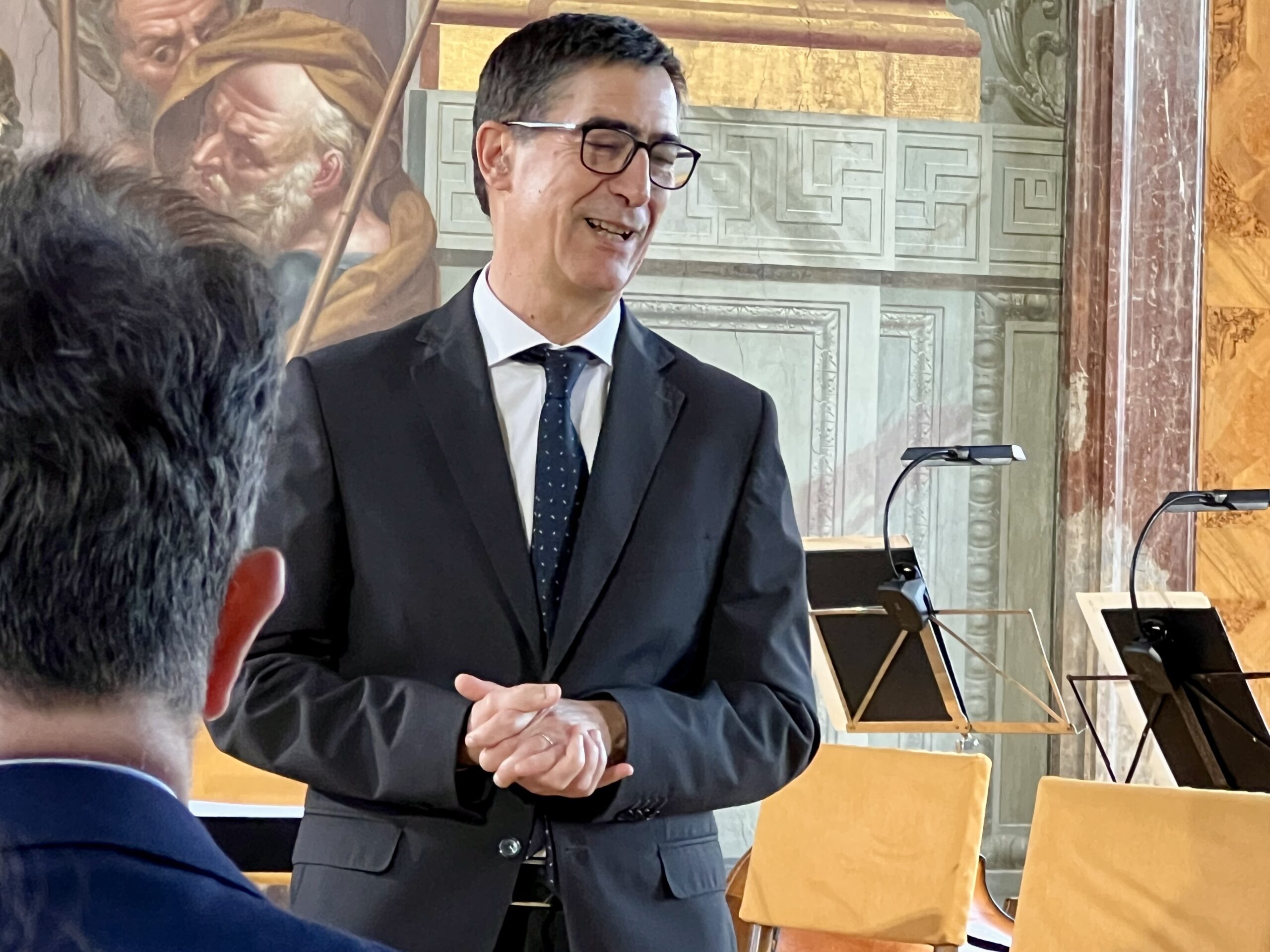
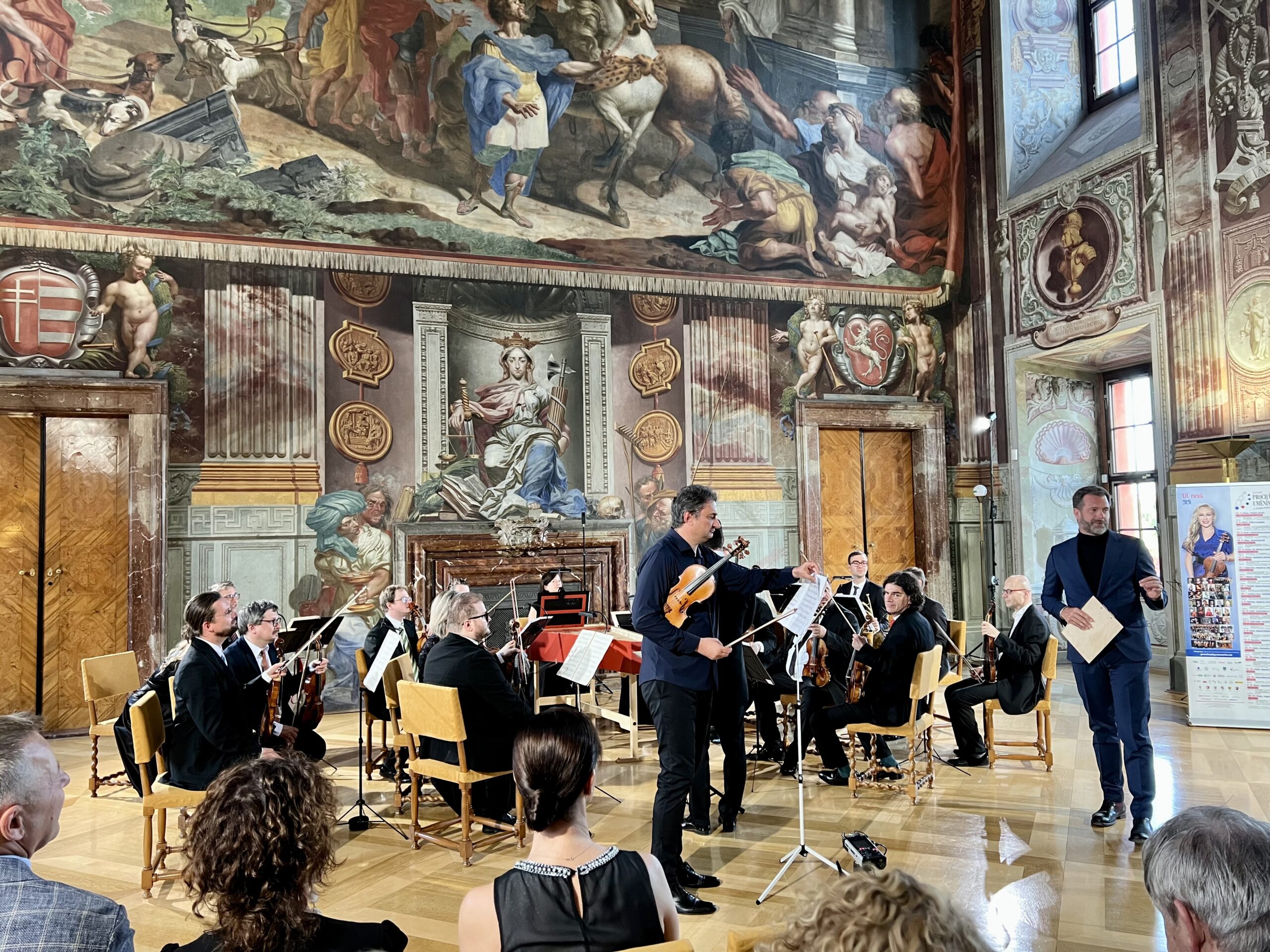
The opening remarks were delivered by His Excellency Alessandro Gaudiano, Ambassador of the Italian Republic to the Czech Republic. In his speech, the Italian diplomat emphasized the historical and cultural links between Italy, Bohemia, and Austria, recalling that music has always served as a universal language of understanding among nations. Especially in times of political tensions and social uncertainty, culture gains even greater importance as a bridge between peoples. His thoughtful words were warmly received by the audience and provided a dignified and inspiring beginning to an extraordinary evening.
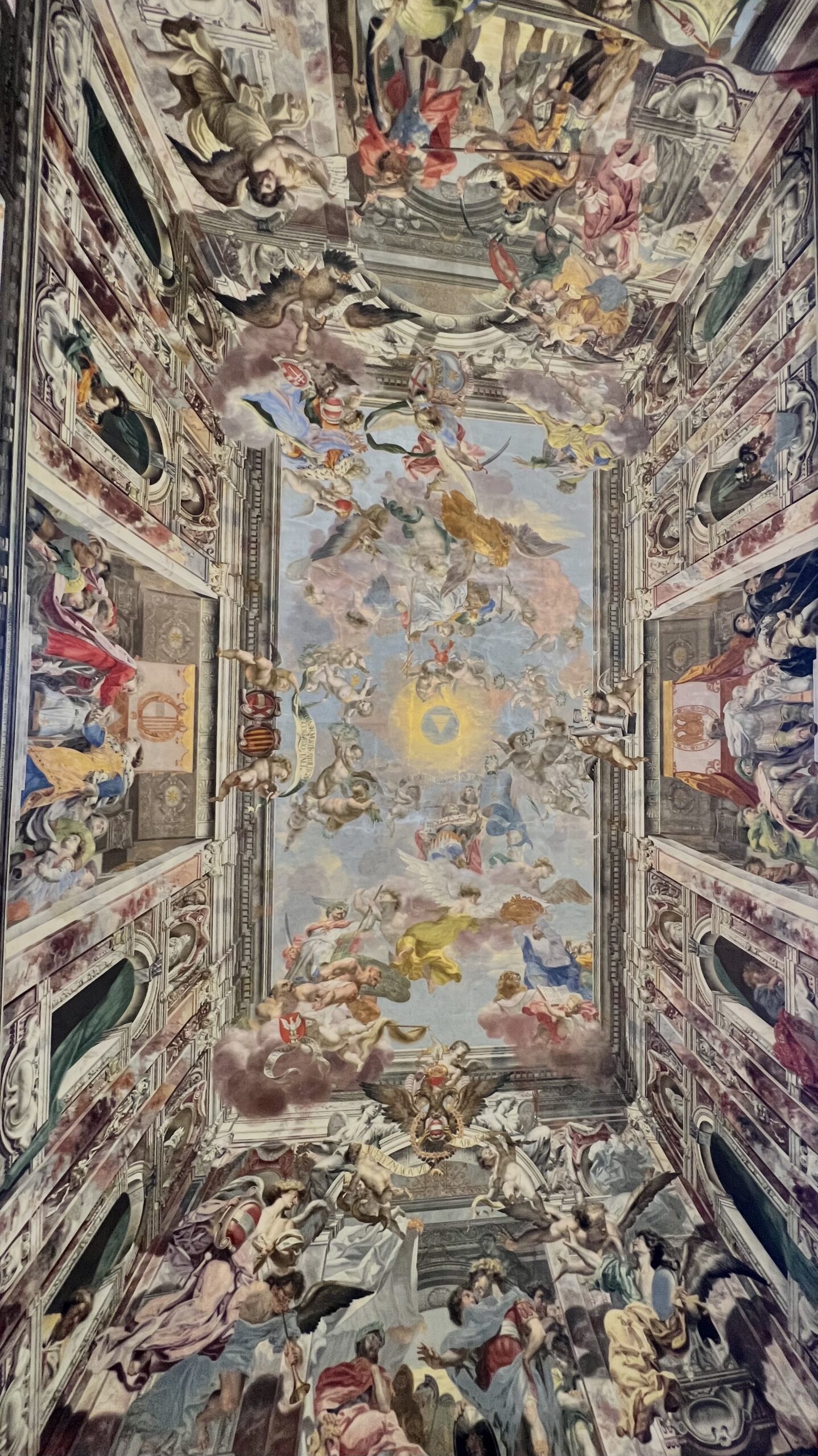
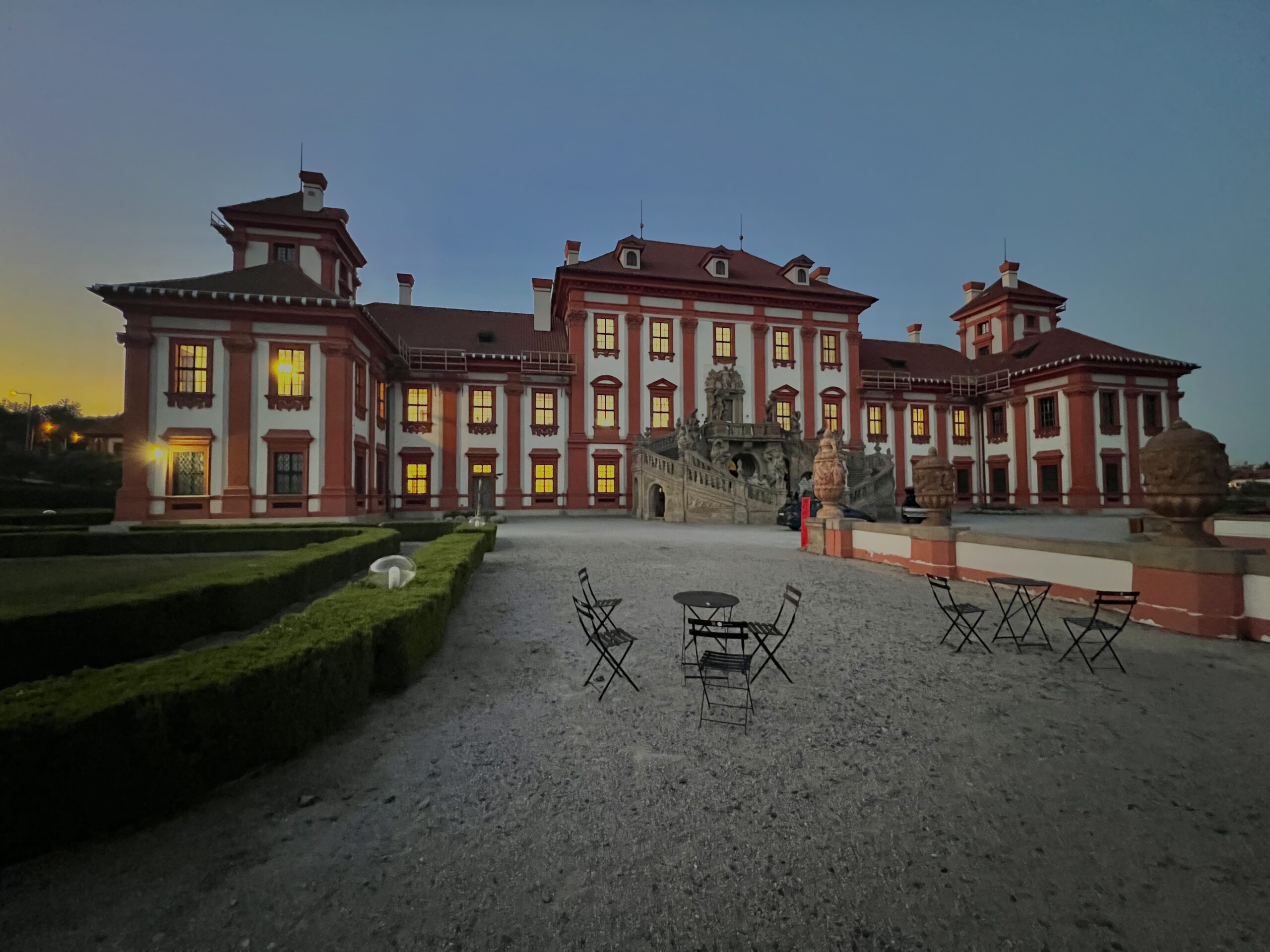
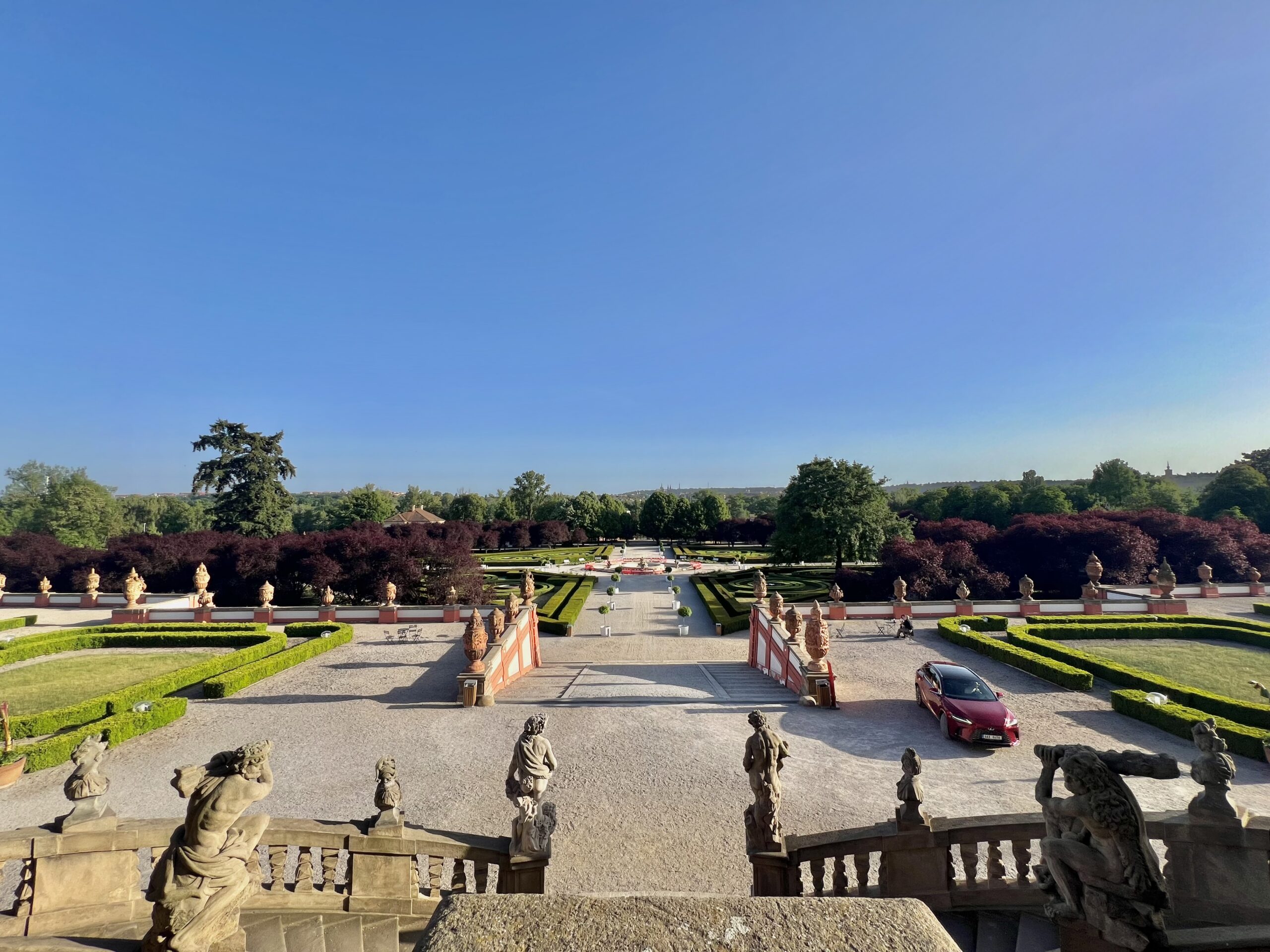
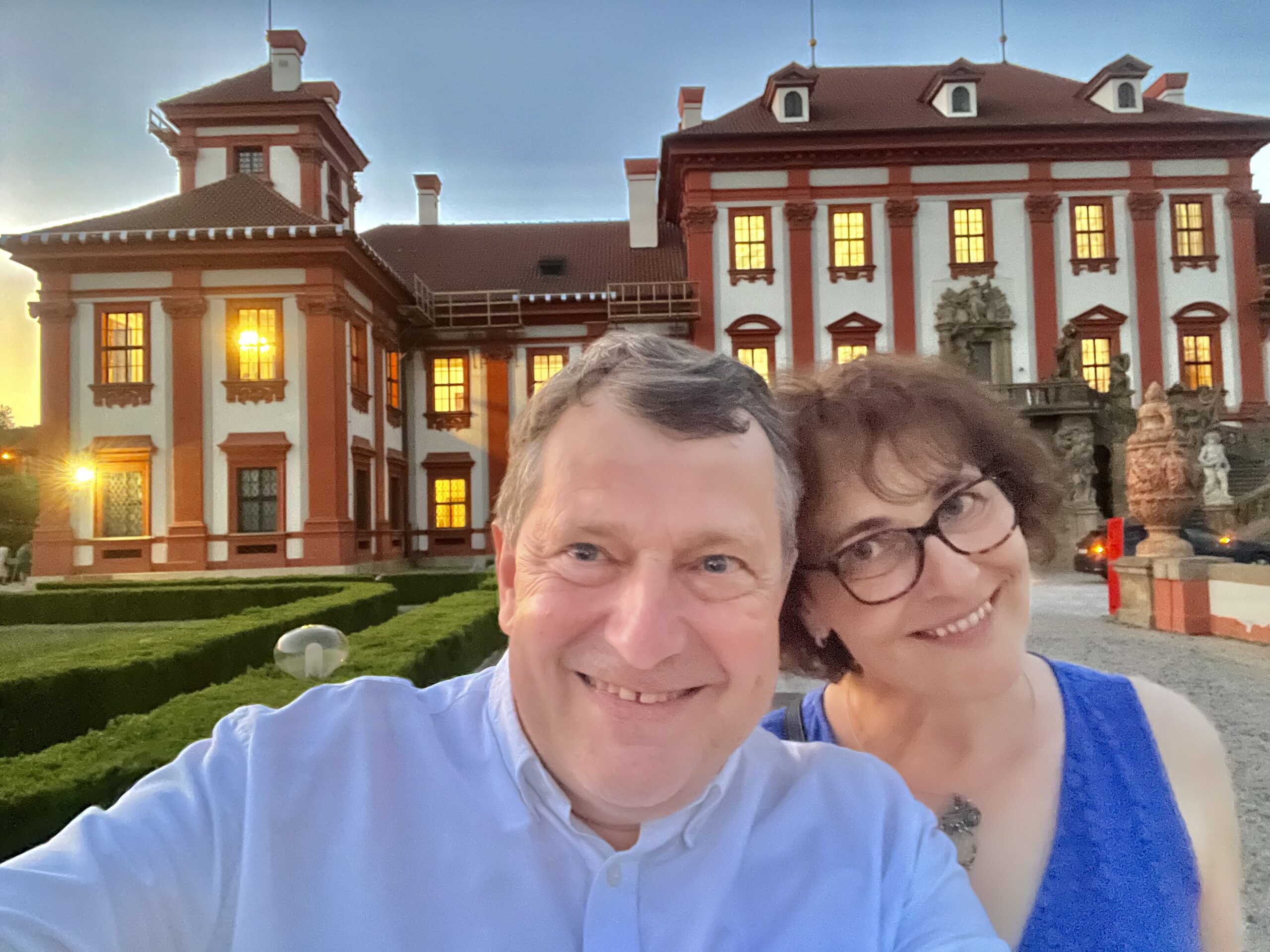
The concert took place in the famous baroque ceremonial hall of Troja Chateau, whose magnificent frescoes, vaulted ceilings, and elegant architecture created an almost magical atmosphere. Built at the end of the 17th century as the summer residence of the Sternberg noble family, Troja Chateau is considered one of the finest examples of High Baroque architecture in Bohemia. Particularly impressive are its monumental staircase decorated with allegorical sculptures and the grand imperial hall with illusionistic frescoes transporting visitors into the refined world of aristocratic Europe. The combination of music, history, and architecture transformed the evening into a true Gesamtkunstwerk – a total work of art in the finest European tradition.
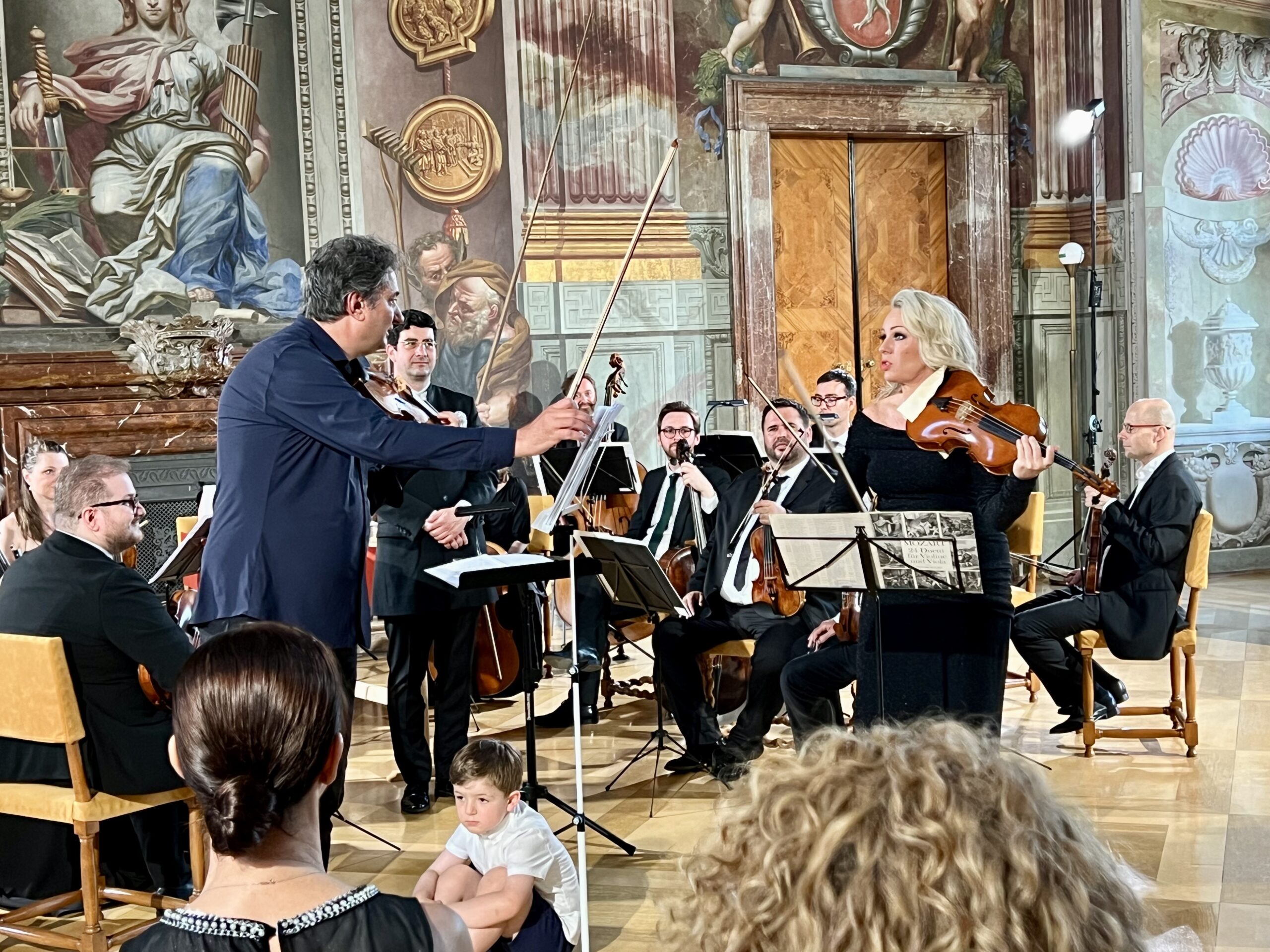
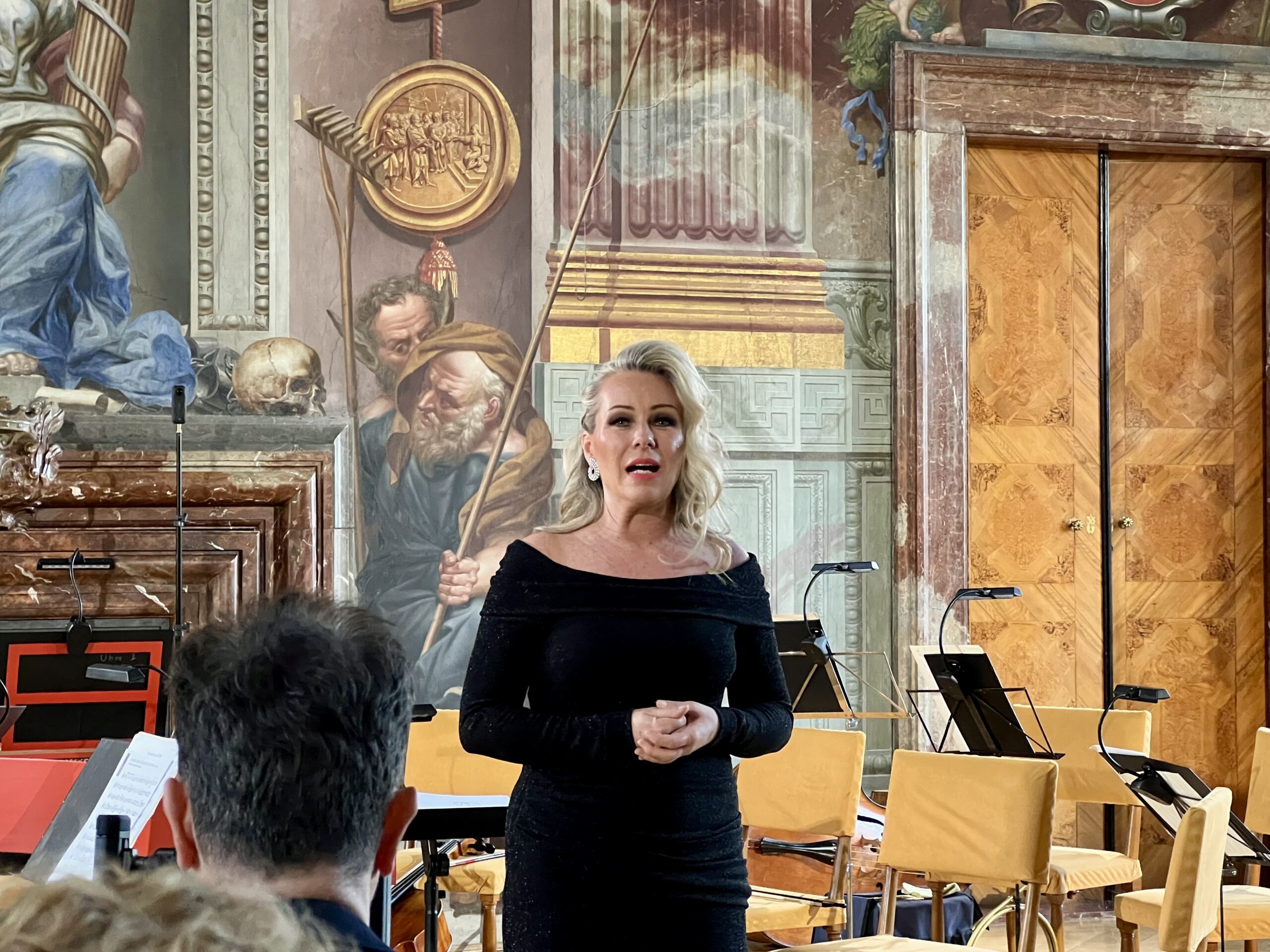
At the center of the evening stood the outstanding Czech violist Jitka Hosprová, who has long been regarded as one of the leading figures in Czech classical music. The media long ago began referring to her as the “First Lady of the Czech Viola.” Hosprová has achieved international recognition not only for her extraordinary virtuosity but also for her tireless advocacy of the viola as a solo instrument. Her career has taken her to prestigious venues such as the Vienna Musikverein, London’s Wigmore Hall, New York, and Santiago de Chile. Particularly remarkable is her ability to combine technical brilliance with profound emotional expression. During the concert in Troja, she performed the rarely played Viola Concerto by Carl Ditters von Dittersdorf with exceptional sensitivity, elegance, and expressive depth. Her warm and richly colored sound filled the hall with remarkable intensity.
At her side performed the Italian violinist Maurizio Sciarretta, an internationally respected virtuoso and pedagogue from Bologna. Sciarretta studied, among others, with Salvatore Accardo and is one of the most distinguished Italian interpreters of his generation. His playing combined Italian passion with stylistic precision and technical perfection. Especially impressive was his interpretation of the Violin Concerto by Josef Mysliveček, the Bohemian composer who achieved great fame in Italy during the 18th century and even influenced the young Mozart. Sciarretta brought extraordinary lightness and emotional depth to the work.
The musical direction of the evening was entrusted to Marek Štilec, one of the most prominent Czech conductors of his generation. Štilec is internationally recognized, particularly for his dedication to Czech music and for numerous acclaimed recordings released by prestigious labels. Under his direction, the Wranitzky Kapelle performed with remarkable precision and stylistic authenticity. The ensemble, specializing in 18th-century music, impressed the audience with transparency, elegance, and vivid interpretations of historical works.
The Wranitzky Kapelle has earned an outstanding reputation in recent years as a specialist ensemble for classical and early romantic repertoire. Named after the Moravian composer Pavel Vranický, the ensemble successfully combines historically informed performance practice with modern concert vitality. Particularly in the works of Florian Leopold Gassmann and Antonio Salieri, the orchestra revealed the elegance, charm, and vitality of Viennese classicism.
The evening was organized with great professionalism and cultural passion by Mrs. Poppy Matějovská Sun, whose dedication contributed substantially to the event’s success. She belongs to those personalities who do not merely organize cultural projects, but give them soul and character. Her commitment to international cultural relations, particularly between the Czech Republic, Italy, and other European countries, was highly appreciated by numerous guests. Diplomats, artists, and public figures alike praised the exceptional organization and refined atmosphere of the evening.
The concert was elegantly guided by Justin Svoboda, whose cultivated presentation and deep understanding of historical and cultural context led the audience through the evening with intelligence and charm. His commentary added further depth to the concert experience and illuminated the fascinating cultural connections embodied in the music.
Over the years, the festival “Procházky uměním” has developed into one of the most remarkable cultural projects in the Czech Republic. Founded and artistically directed by Jitka Hosprová, the festival combines music with architecture, history, spirituality, and regional identity. Under the motto “Living Bridges of Culture,” the festival presents concerts not only in Prague, but also in numerous historic locations throughout Western Bohemia, including Plzeň, Cheb, Karlovy Vary, Manětín, Chyše, Fürth, and other culturally significant towns and regions.
The program of the XIVth edition offers extraordinary diversity: concerts in churches, castles, synagogues, and historic halls; chamber music evenings; spiritual programs; projects for children and young musicians; and international collaborations with artists from Germany, Italy, Austria, and beyond. This unique combination of high artistic quality and historical atmosphere forms the festival’s distinctive character.
The opening evening at Troja Chateau demonstrated impressively why “Procházky uměním” has attracted increasing international attention far beyond the borders of the Czech Republic. The concert was not only a musical highlight but also a vivid symbol of European cultural history. The fusion of Italian elegance, Bohemian musicality, and Austrian classicism created an evening filled with beauty, emotion, and cultural harmony.
As the final notes of Antonio Salieri’s “Sinfonia Veneziana” faded away, the audience rose for prolonged standing ovations. Many guests remained afterward in the historic halls of the chateau, exchanging impressions and allowing the evening’s exceptional atmosphere to linger. Prague did not merely witness a concert that night – it experienced a celebration of European culture in its finest form.
___________________________________________________________________________________________
Czech version:
Evropské hudební mosty v barokní Troji
Slavnostní zahajovací koncert „Rakušan v Čechách, Češi v Itálii a Ital v Rakousku“ XIV. ročníku festivalu Procházky uměním s Jitkou Hosprovou 26. května 2026 na zámku Troja v Praze
Praha zažila večer 26. května 2026 jeden z těch mimořádných kulturních okamžiků, které dalece přesahují rámec běžného koncertu. V nádherném barokním Trojském zámku – jedné z nejkrásnějších historických památek české metropole – byl slavnostně zahájen XIV. ročník renomovaného festivalu „Procházky uměním“. Pod symbolickým názvem „Rakušan v Čechách, Češi v Itálii a Ital v Rakousku“ vznikl hudební dialog mezi střední Evropou a Itálií, který působivě ukázal, jak hluboce jsou evropské kulturní tradice po staletí propojené.
Úvodní slovo pronesl Jeho Excelence Alessandro Gaudiano, velvyslanec Italské republiky v České republice. Ve svém projevu zdůraznil historické a kulturní vazby mezi Itálií, Čechami a Rakouskem a připomněl, že hudba byla vždy univerzálním jazykem porozumění mezi národy. Právě v době politických napětí a společenských nejistot získává kultura ještě větší význam jako most mezi lidmi. Jeho inspirativní slova byla publikem přijata s velkým uznáním a vytvořila důstojný úvod mimořádného večera.
Koncert se konal ve slavném barokním sále Trojského zámku, jehož nádherné fresky, vysoké klenby a elegantní architektura vytvořily téměř magickou atmosféru. Trojský zámek byl vybudován na konci 17. století jako letní rezidence šlechtického rodu Šternberků a patří k nejvýznamnějším ukázkám vrcholného baroka v Čechách. Obdiv vzbuzuje především monumentální schodiště s alegorickými sochami a reprezentační sál s iluzivními freskami, které návštěvníky přenášejí do světa aristokratické elegance. Spojení hudby, historie a architektury proměnilo celý večer ve skutečné Gesamtkunstwerk – komplexní umělecké dílo v nejlepším evropském smyslu.
Ústřední osobností večera byla vynikající česká violistka Jitka Hosprová, která již řadu let patří k nejvýraznějším osobnostem české klasické hudby. Média ji právem označují za „první dámu české violy“. Hosprová získala mezinárodní uznání nejen svou mimořádnou virtuozitou, ale také neúnavnou propagací violy jako sólového nástroje. Její kariéra ji zavedla do prestižních koncertních síní, jako jsou vídeňský Musikverein, londýnská Wigmore Hall, New York či Santiago de Chile. Výjimečná je především její schopnost spojit technickou brilanci s hlubokým emocionálním výrazem. V Troji interpretovala zřídka uváděný Violový koncert Carla Ditters von Dittersdorfa s mimořádnou citlivostí, elegancí a výrazovou hloubkou. Její teplý a barevný tón naplnil celý sál jedinečnou intenzitou.
Po jejím boku vystoupil italský houslista Maurizio Sciarretta, mezinárodně uznávaný virtuos a pedagog z Boloně. Sciarretta studoval mimo jiné u Salvatora Accarda a patří k nejvýznamnějším italským interpretům své generace. Jeho hra spojovala italskou vášeň se stylovou precizností a technickou dokonalostí. Obzvlášť působivá byla jeho interpretace Houslového koncertu Josefa Myslivečka, českého skladatele, který v 18. století dosáhl v Itálii mimořádné slávy a ovlivnil dokonce mladého Mozarta. Sciarretta vtiskl skladbě lehkost, eleganci i hlubokou emocionalitu.
Hudebního vedení večera se ujal Marek Štilec, jeden z nejvýraznějších českých dirigentů své generace. Štilec je mezinárodně ceněn především pro svou intenzivní práci s českou hudbou a řadu významných nahrávek pro prestižní vydavatelství. Pod jeho vedením hrála Wranitzky Kapelle s mimořádnou přesností a stylovou autenticitou. Soubor specializující se na hudbu 18. století zaujal publikum transparentností zvuku, elegancí a živou interpretací historických skladeb.
Wranitzky Kapelle si v posledních letech vybudovala vynikající reputaci jako specializovaný soubor pro klasický a raně romantický repertoár. Ansámbl pojmenovaný po moravském skladateli Pavlu Vranickém úspěšně propojuje historicky poučenou interpretaci s moderní koncertní energií. Právě ve skladbách Floriana Leopolda Gassmanna a Antonia Salieriho orchestr nádherně rozvinul lehkost, eleganci a šarm vídeňského klasicismu.
Večer byl organizován s velkou profesionalitou a kulturním nadšením paní Poppy Matějovská Sun, jejíž nasazení výrazně přispělo k úspěchu celé události. Patří k osobnostem, které kulturní projekty nejen organizují, ale dávají jim také duši a charakter. Její práce pro mezinárodní kulturní vztahy, zejména mezi Českou republikou, Itálií a dalšími evropskými zeměmi, byla hosty velmi oceňována. Diplomati, umělci i představitelé veřejného života chválili výjimečnou organizaci i jedinečnou atmosféru večera.
Večerem provázel Justin Svoboda, který svým kultivovaným projevem a hlubokým porozuměním historickým souvislostem elegantně provedl publikum celým programem. Jeho komentáře dodaly koncertu další rozměr a pomohly posluchačům lépe vnímat kulturní propojení jednotlivých skladeb.
Festival „Procházky uměním“ se během posledních let stal jedním z nejzajímavějších kulturních projektů v České republice. Festival založila a umělecky vede Jitka Hosprová. Projekt propojuje hudbu s architekturou, historií, spiritualitou a regionální identitou. Pod mottem „Živé mosty kultury“ pořádá koncerty nejen v Praze, ale také v mnoha historických místech západních Čech, například v Plzni, Chebu, Karlových Varech, Manětíně, Chyši, Fürthu a dalších kulturně významných lokalitách.
Program XIV. ročníku nabízí mimořádnou rozmanitost: koncerty v kostelech, zámcích, synagogách a historických sálech, komorní hudební večery, duchovní programy, projekty pro děti a mladé hudebníky i mezinárodní spolupráci s umělci z Německa, Itálie, Rakouska a dalších zemí. Právě spojení vysoké umělecké kvality s historickou atmosférou vytváří jedinečný charakter festivalu.
Zahajovací večer v Trojském zámku působivě ukázal, proč si festival „Procházky uměním“ získává stále větší mezinárodní pozornost i daleko za hranicemi České republiky. Koncert nebyl pouze hudebním vrcholem, ale také živým symbolem evropské kulturní historie. Spojení italské elegance, české hudebnosti a rakouského klasicismu vytvořilo večer plný krásy, emocí a kulturní harmonie.
Když doznívaly poslední tóny Salieriho „Sinfonia Veneziana“, publikum povstalo k dlouhotrvajícímu potlesku ve stoje. Mnoho hostů zůstalo ještě dlouho v historických prostorách zámku, aby sdílelo své dojmy a nechalo výjimečnou atmosféru večera doznívat. Praha toho večera nezažila jen koncert – zažila oslavu evropské kultury v její nejkrásnější podobě.
___________________________________________________________________________________________
Italian version:
Ponti musicali europei nella Troja barocca
Il concerto inaugurale “Un austriaco in Boemia, cechi in Italia e un italiano in Austria” della XIV edizione del festival Procházky uměním con Jitka Hosprová tenutosi il 26 maggio 2026 al Castello di Troja a Praga
La sera del 26 maggio 2026 Praga ha vissuto uno di quei momenti culturali che vanno ben oltre il semplice concerto. Nel magnifico Castello barocco di Troja – uno dei più splendidi monumenti storici della capitale ceca – è stata inaugurata ufficialmente la XIV edizione del rinomato festival “Procházky uměním”. Sotto il titolo simbolico “Un austriaco in Boemia, cechi in Italia e un italiano in Austria”, il concerto ha creato un affascinante dialogo musicale tra l’Europa centrale e l’Italia, dimostrando quanto profondamente le tradizioni culturali europee siano intrecciate da secoli.
Le parole introduttive sono state pronunciate da Sua Eccellenza Alessandro Gaudiano, Ambasciatore della Repubblica Italiana nella Repubblica Ceca. Nel suo intervento il diplomatico italiano ha sottolineato i legami storici e culturali tra Italia, Boemia e Austria, ricordando come la musica abbia sempre rappresentato un linguaggio universale di comprensione tra i popoli. Soprattutto in tempi di tensioni politiche e incertezze sociali, la cultura acquista un’importanza ancora maggiore come ponte tra le nazioni. Le sue parole sono state accolte con grande entusiasmo dal pubblico e hanno dato un inizio degno e ispiratore a una serata straordinaria.
Il concerto si è svolto nella celebre sala barocca del Castello di Troja, i cui magnifici affreschi, le alte volte e l’elegante architettura hanno creato un’atmosfera quasi magica. Costruito alla fine del XVII secolo come residenza estiva della nobile famiglia Sternberg, il Castello di Troja è considerato uno dei più importanti esempi di alto barocco in Boemia. Particolarmente impressionanti sono la monumentale scalinata decorata con sculture allegoriche e il grande salone imperiale con i suoi affreschi illusionistici, che trasportano i visitatori nell’elegante mondo aristocratico europeo. La combinazione di musica, storia e architettura ha trasformato l’intera serata in un autentico Gesamtkunstwerk – un’opera d’arte totale nel miglior spirito della cultura europea.
Protagonista assoluta della serata è stata la straordinaria violista ceca Jitka Hosprová, considerata da anni una delle personalità più importanti della musica classica ceca. I media la definiscono da tempo la “First Lady della viola ceca”. Hosprová ha conquistato un riconoscimento internazionale non solo grazie alla sua eccezionale virtuosità, ma anche per il suo instancabile impegno a favore della viola come strumento solista. La sua carriera l’ha portata in prestigiose sale da concerto come il Musikverein di Vienna, la Wigmore Hall di Londra, New York e Santiago del Cile. Particolarmente notevole è la sua capacità di unire brillantezza tecnica e profondità emotiva. Durante il concerto a Troja ha interpretato il raro Concerto per viola di Carl Ditters von Dittersdorf con straordinaria sensibilità, eleganza e intensità espressiva. Il suo suono caldo e ricco di colori ha riempito la sala con grande forza emotiva.
Accanto a lei si è esibito il violinista italiano Maurizio Sciarretta, virtuoso e pedagogo di fama internazionale originario di Bologna. Sciarretta ha studiato, tra gli altri, con Salvatore Accardo ed è considerato uno dei più importanti interpreti italiani della sua generazione. Il suo stile ha saputo unire passione italiana, precisione stilistica e perfezione tecnica. Particolarmente suggestiva è stata la sua interpretazione del Concerto per violino di Josef Mysliveček, il compositore boemo che nel XVIII secolo raggiunse una straordinaria fama in Italia influenzando persino il giovane Mozart. Sciarretta ha donato all’opera leggerezza, eleganza e profonda intensità emotiva.
La direzione musicale della serata è stata affidata a Marek Štilec, uno dei più importanti direttori d’orchestra cechi della sua generazione. Štilec è conosciuto a livello internazionale soprattutto per il suo intenso lavoro dedicato alla musica ceca e per numerose registrazioni realizzate per prestigiose etichette discografiche. Sotto la sua guida, la Wranitzky Kapelle ha suonato con straordinaria precisione e autenticità stilistica. L’ensemble, specializzato nella musica del XVIII secolo, ha impressionato il pubblico grazie alla trasparenza del suono, all’eleganza e alla vitalità interpretativa.
Negli ultimi anni la Wranitzky Kapelle si è costruita una reputazione eccellente come ensemble specializzato nel repertorio classico e primo romantico. Intitolato al compositore moravo Pavel Vranický, il gruppo riesce a combinare la prassi esecutiva storicamente informata con l’energia del concerto moderno. Soprattutto nelle opere di Florian Leopold Gassmann e Antonio Salieri, l’orchestra ha saputo esprimere magnificamente la grazia e la leggerezza del classicismo viennese.
La serata è stata organizzata con grande professionalità e passione culturale dalla signora Poppy Matějovská Sun, il cui impegno ha contribuito in maniera decisiva al successo dell’evento. Appartiene a quelle personalità che non si limitano a organizzare progetti culturali, ma donano loro anima e carattere. Il suo impegno per le relazioni culturali internazionali, in particolare tra la Repubblica Ceca, l’Italia e altri paesi europei, è stato ampiamente apprezzato dagli ospiti presenti. Diplomatici, artisti e rappresentanti della vita pubblica hanno lodato l’eccellente organizzazione e l’atmosfera raffinata della serata.
A guidare il pubblico attraverso il programma è stato Justin Svoboda, che con il suo stile elegante e la sua profonda comprensione delle connessioni storiche e culturali ha accompagnato gli spettatori con intelligenza e sensibilità. I suoi commenti hanno aggiunto ulteriore profondità all’esperienza musicale.
Nel corso degli anni il festival “Procházky uměním” è diventato uno dei progetti culturali più interessanti della Repubblica Ceca. Fondato e diretto artisticamente da Jitka Hosprová, il festival unisce musica, architettura, storia, spiritualità e identità regionale. Sotto il motto “Ponti viventi della cultura”, il festival organizza concerti non solo a Praga, ma anche in numerose località storiche della Boemia occidentale, tra cui Plzeň, Cheb, Karlovy Vary, Manětín, Chyše, Fürth e altre città di grande importanza culturale.
Il programma della XIV edizione offre una straordinaria varietà: concerti in chiese, castelli, sinagoghe e sale storiche, serate di musica da camera, programmi spirituali, progetti dedicati ai bambini e ai giovani musicisti e collaborazioni internazionali con artisti provenienti da Germania, Italia, Austria e altri paesi. È proprio questa combinazione di altissima qualità artistica e atmosfera storica a rendere unico il carattere del festival.
La serata inaugurale al Castello di Troja ha dimostrato in modo impressionante perché “Procházky uměním” stia attirando sempre maggiore attenzione internazionale ben oltre i confini della Repubblica Ceca. Il concerto non è stato soltanto un momento musicale di altissimo livello, ma anche un vivido simbolo della storia culturale europea. L’unione tra eleganza italiana, musicalità boema e classicismo austriaco ha creato una serata ricca di bellezza, emozione e armonia culturale.
Quando le ultime note della “Sinfonia Veneziana” di Antonio Salieri si sono spente nella sala, il pubblico si è alzato in piedi tributando lunghi applausi. Molti ospiti sono rimasti ancora a lungo negli storici ambienti del castello, condividendo impressioni e lasciandosi avvolgere dalla straordinaria atmosfera della serata. Quella notte Praga non ha semplicemente ospitato un concerto – ha celebrato la cultura europea nella sua forma più bella.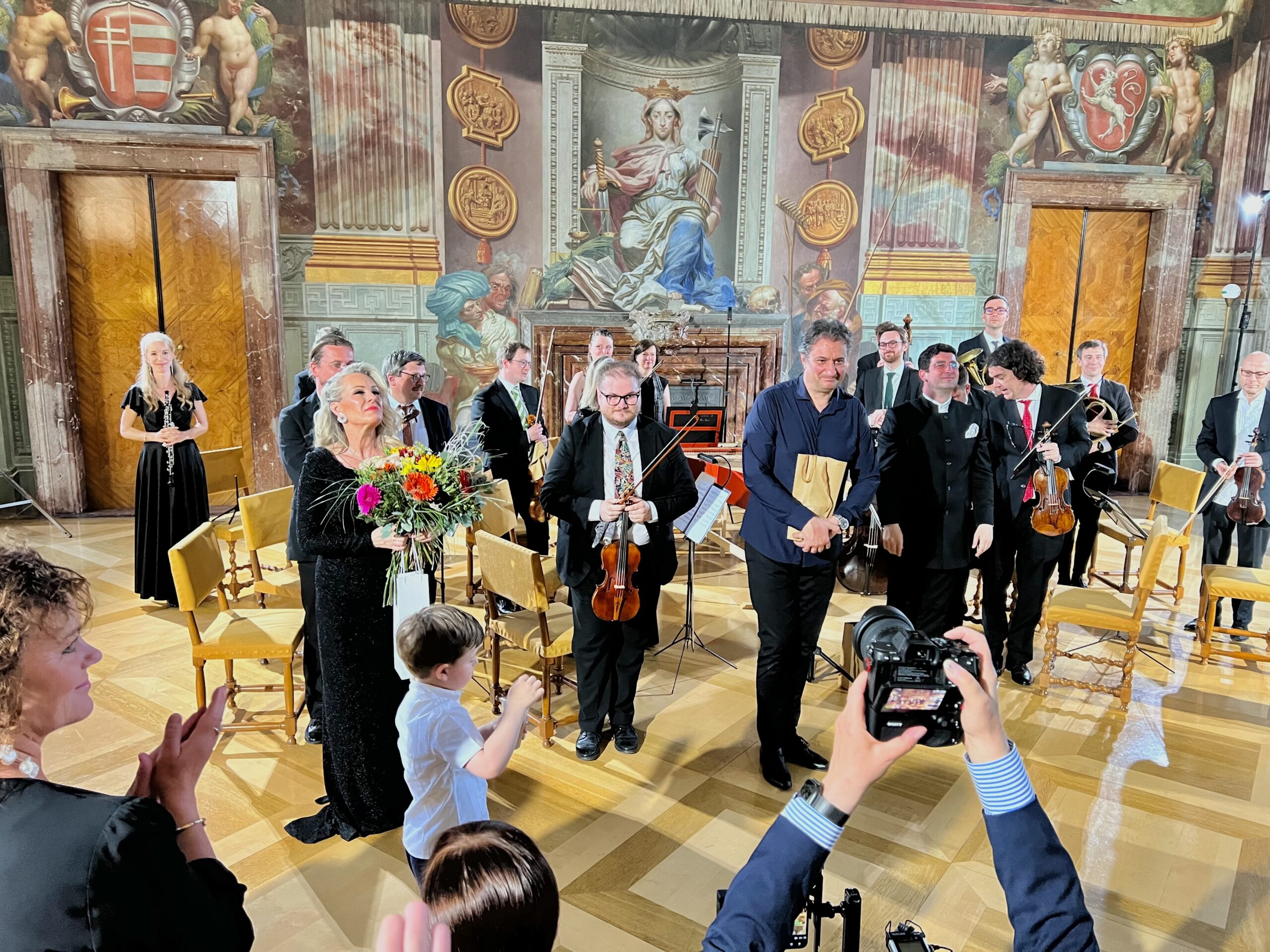
Recent posts
See AllPrague Forum Membership
Join us
Be part of building bridges and channels to engage all the international key voices and decision makers living in the Czech Republic.
Become a member