- Hans Weber
- October 8, 2026
From Bangkok to Prague: ASEAN Celebrates 59 Years of Unity, Diversity and Growing Partnership with Czechia
Article by Hans Weber
Thai Ambassador Pichit Boonsud Hosts the Diplomatic Corps, Czech Government and Business Community for a Colourful ASEAN Day Celebration in Prague
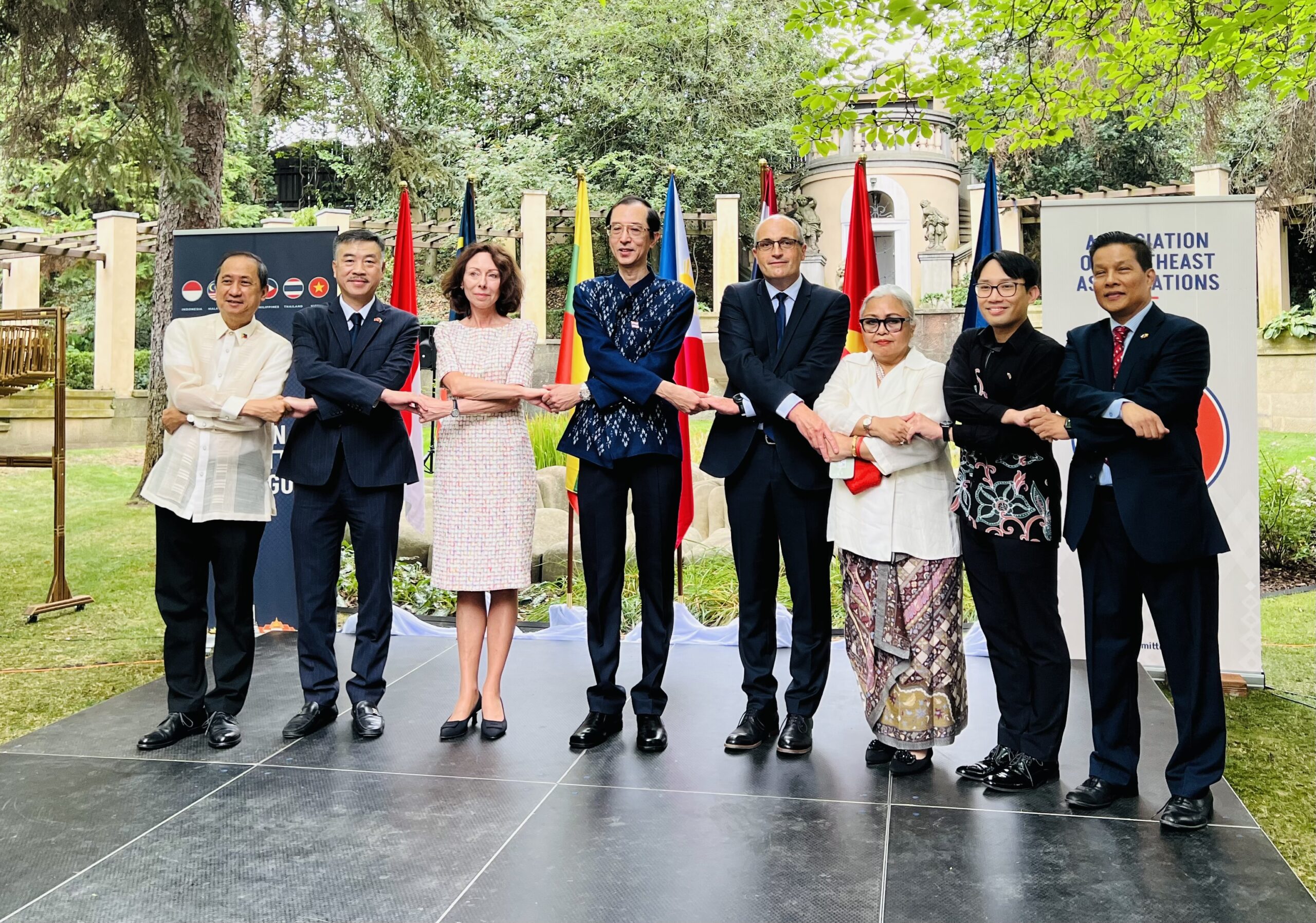
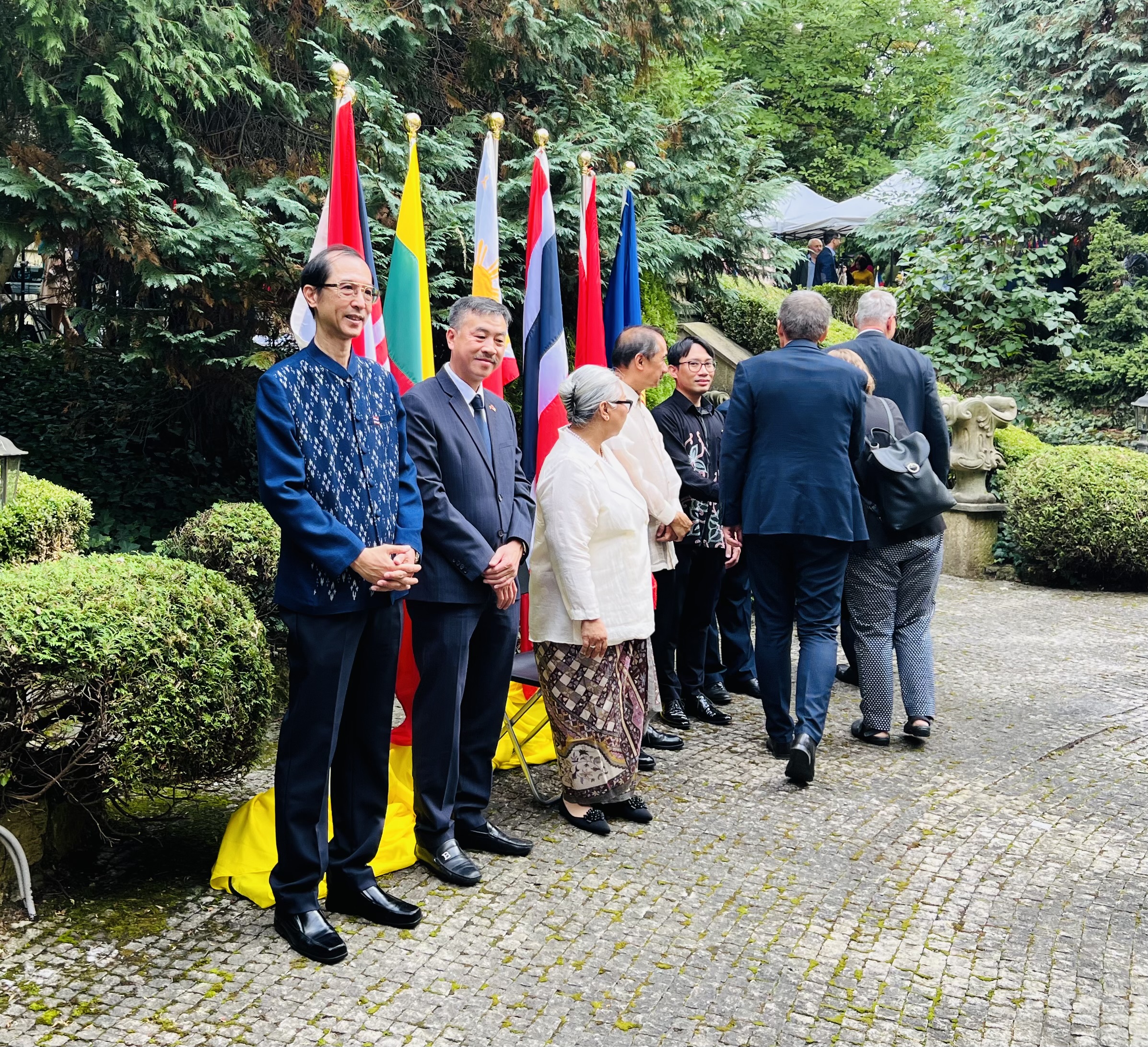
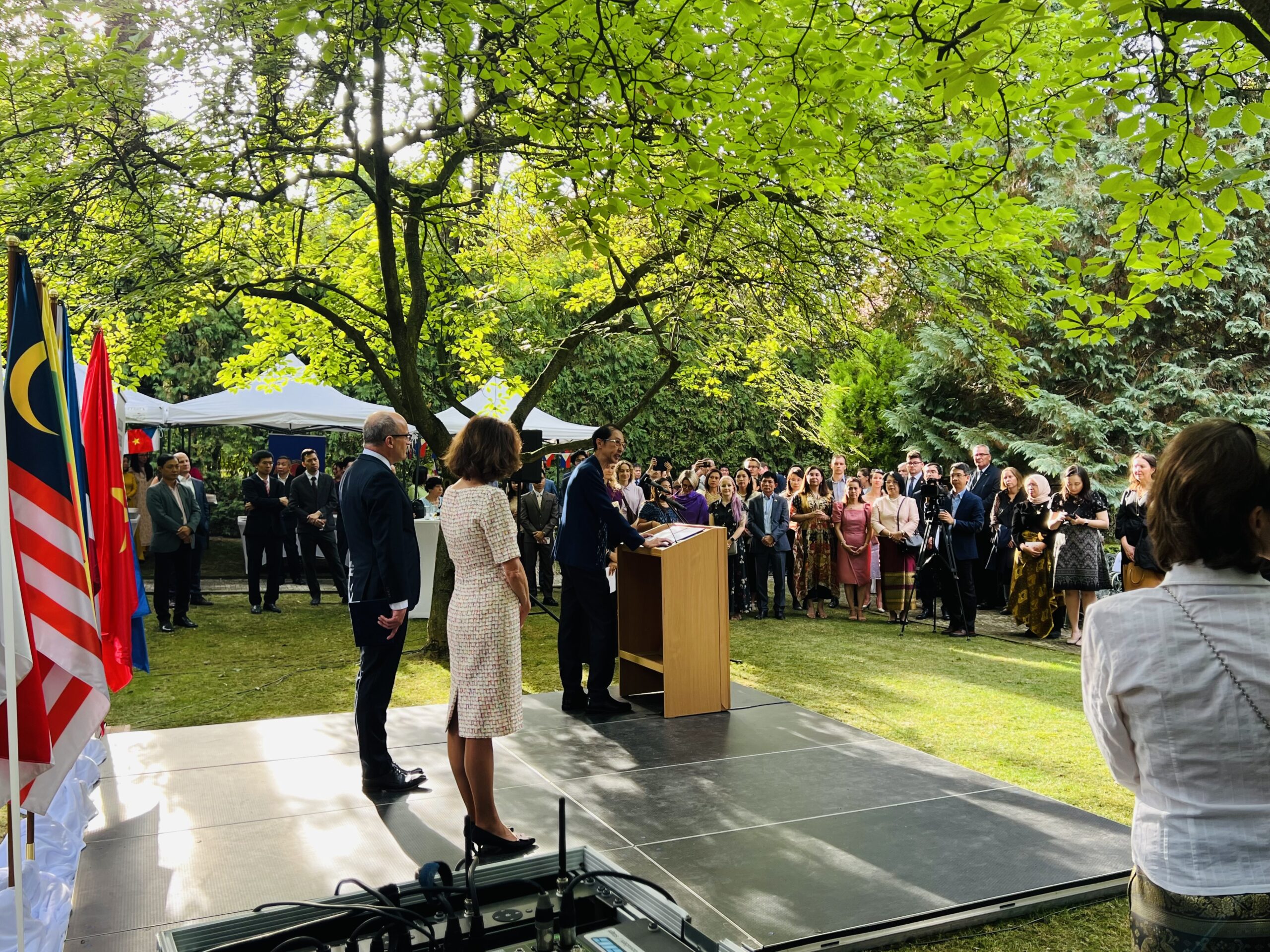
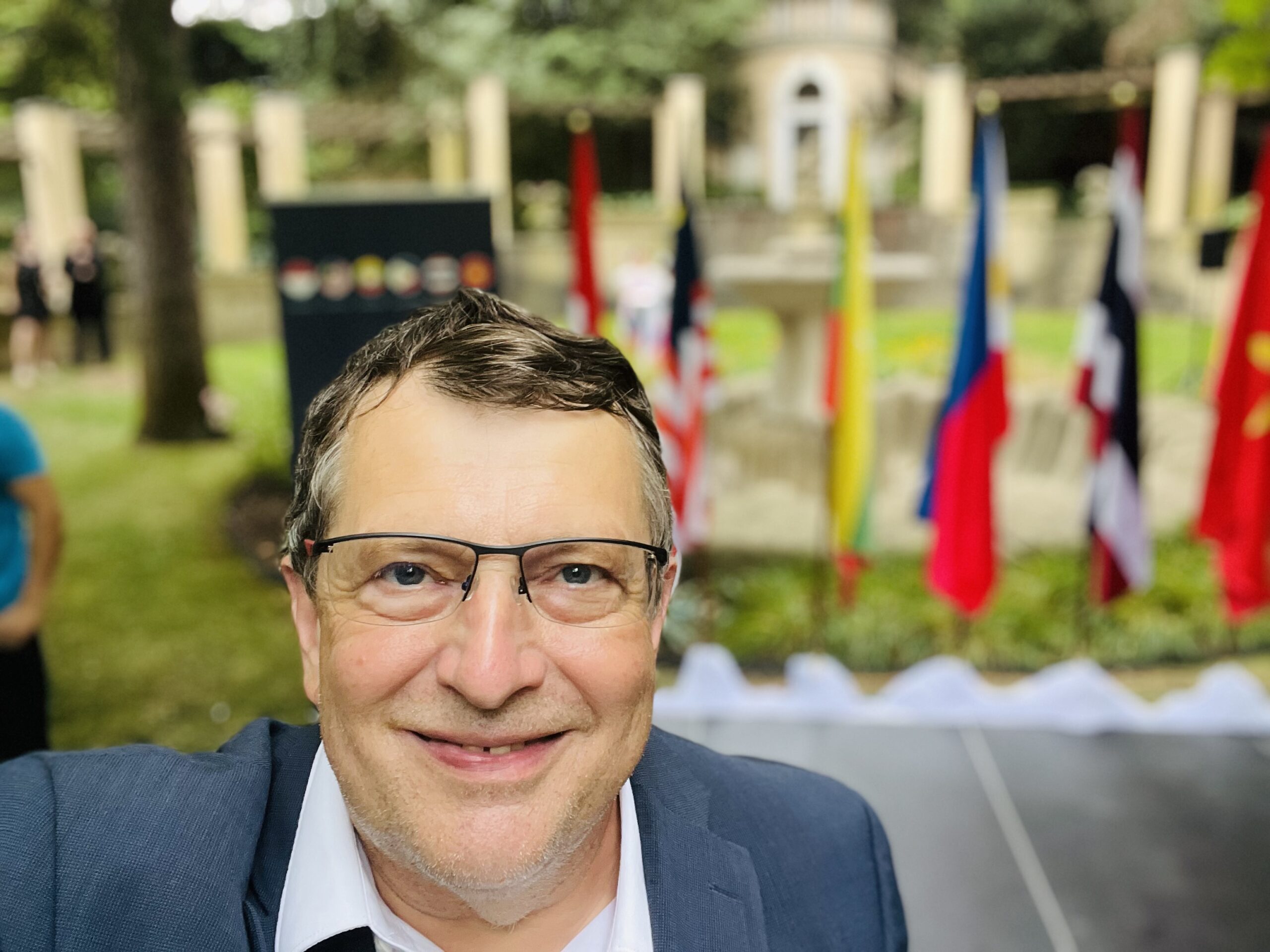
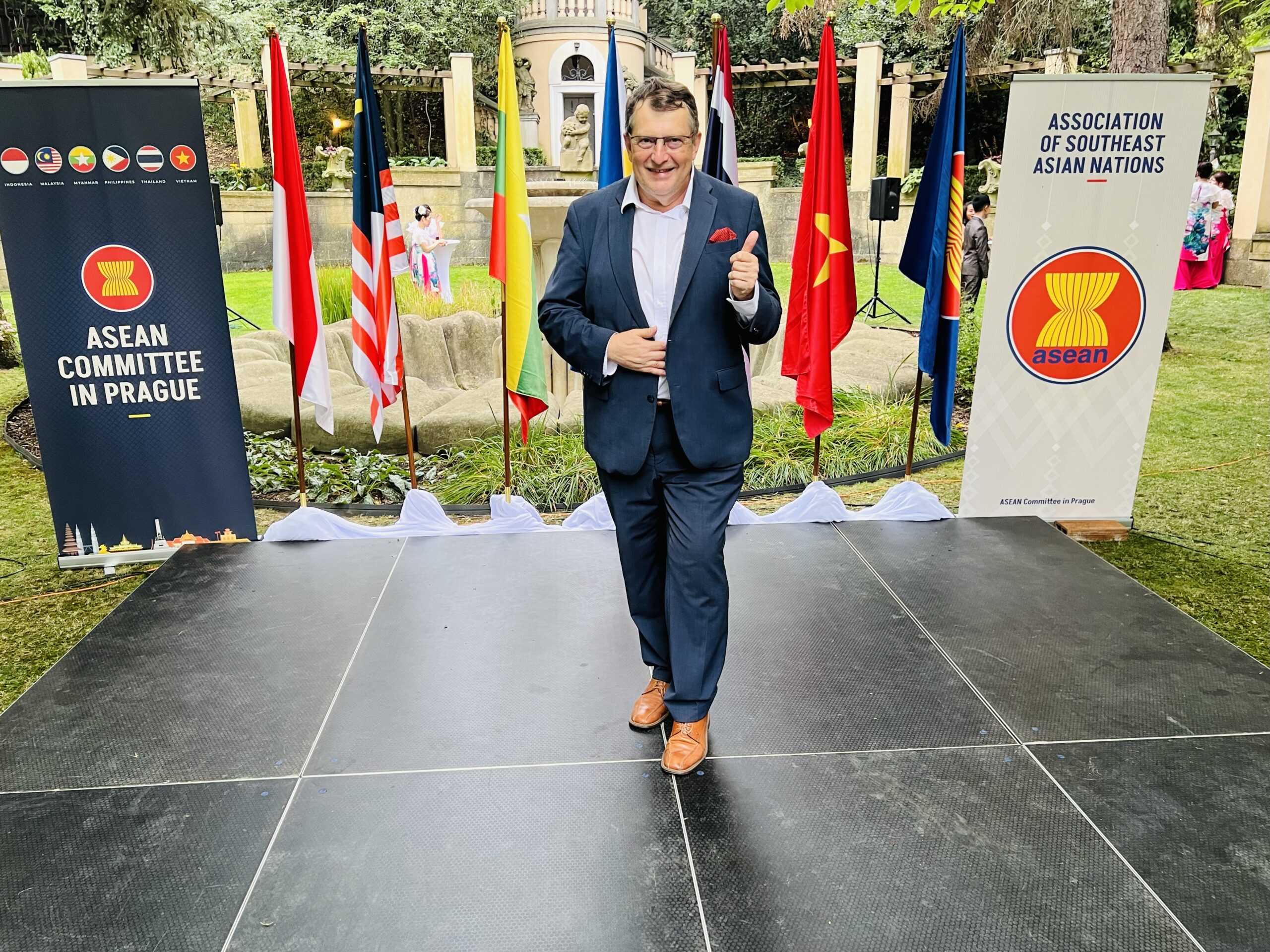
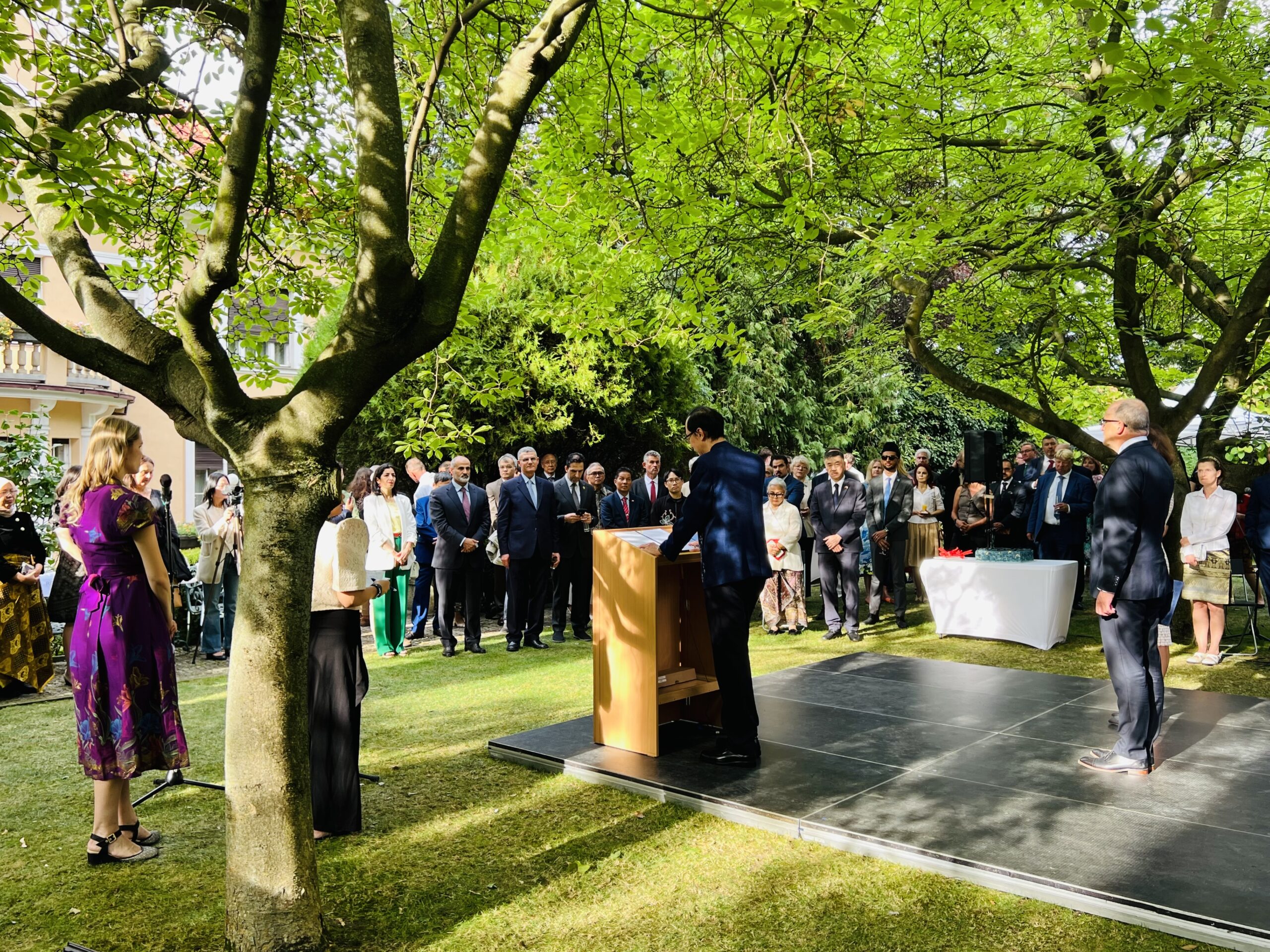
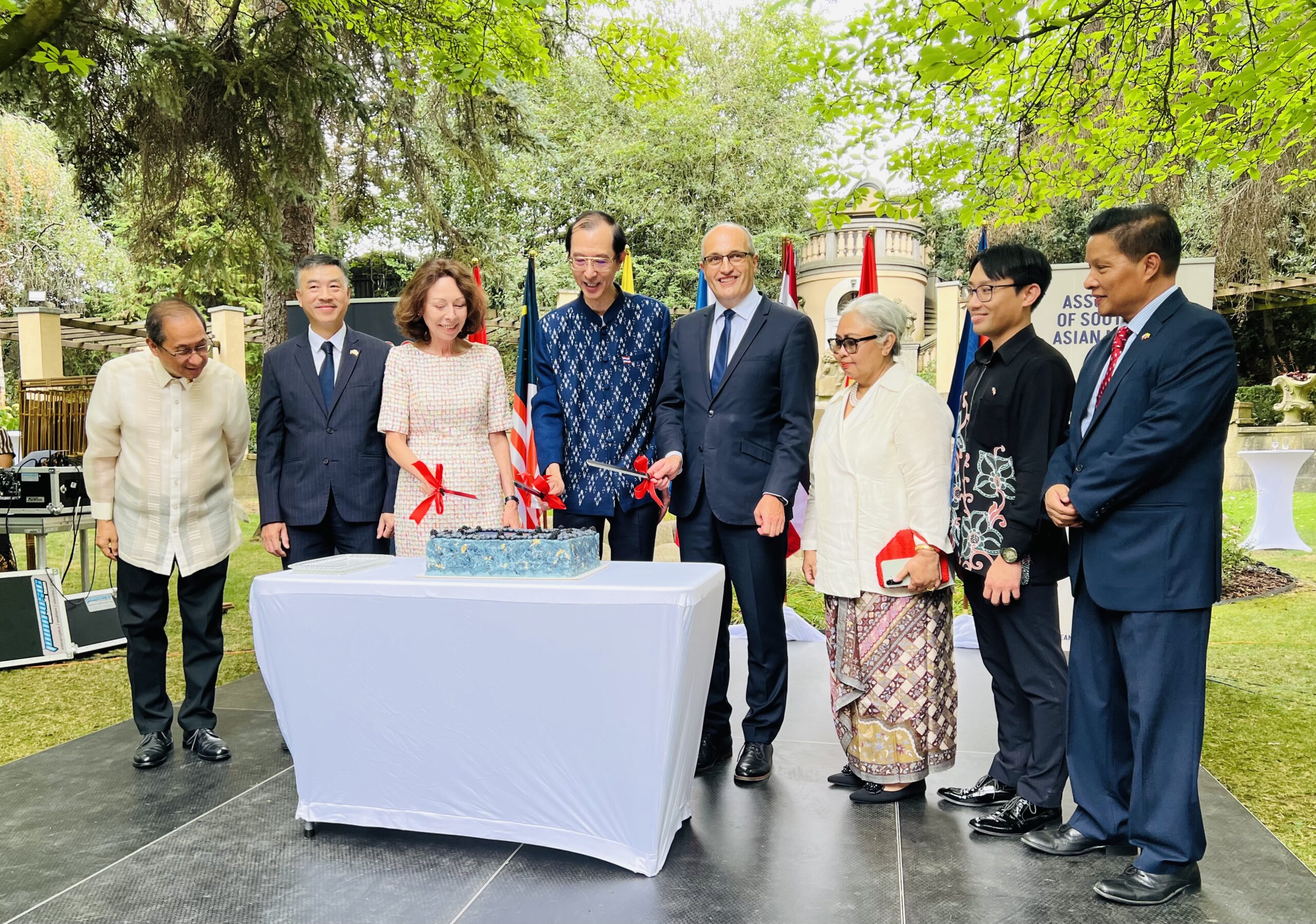
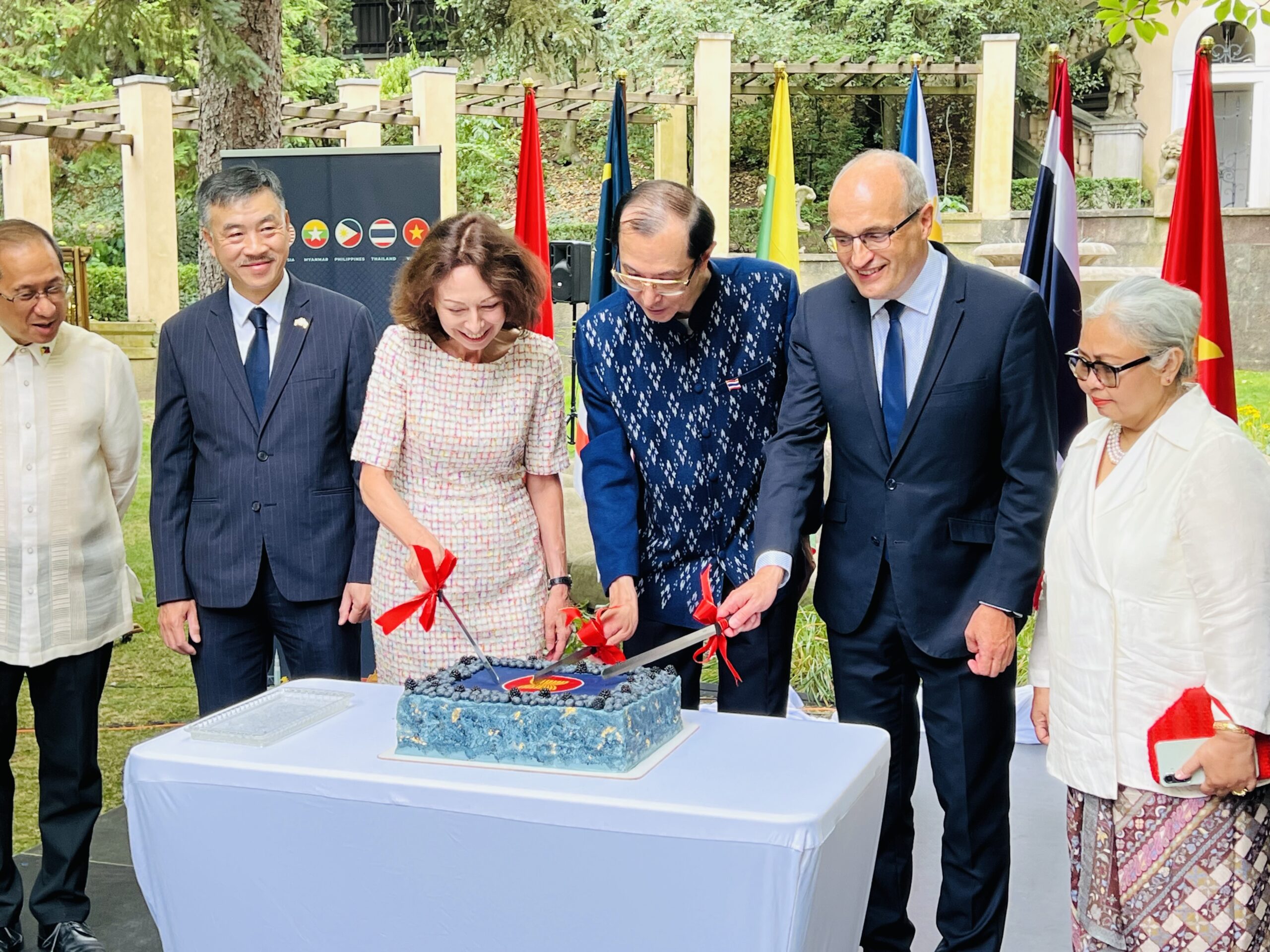
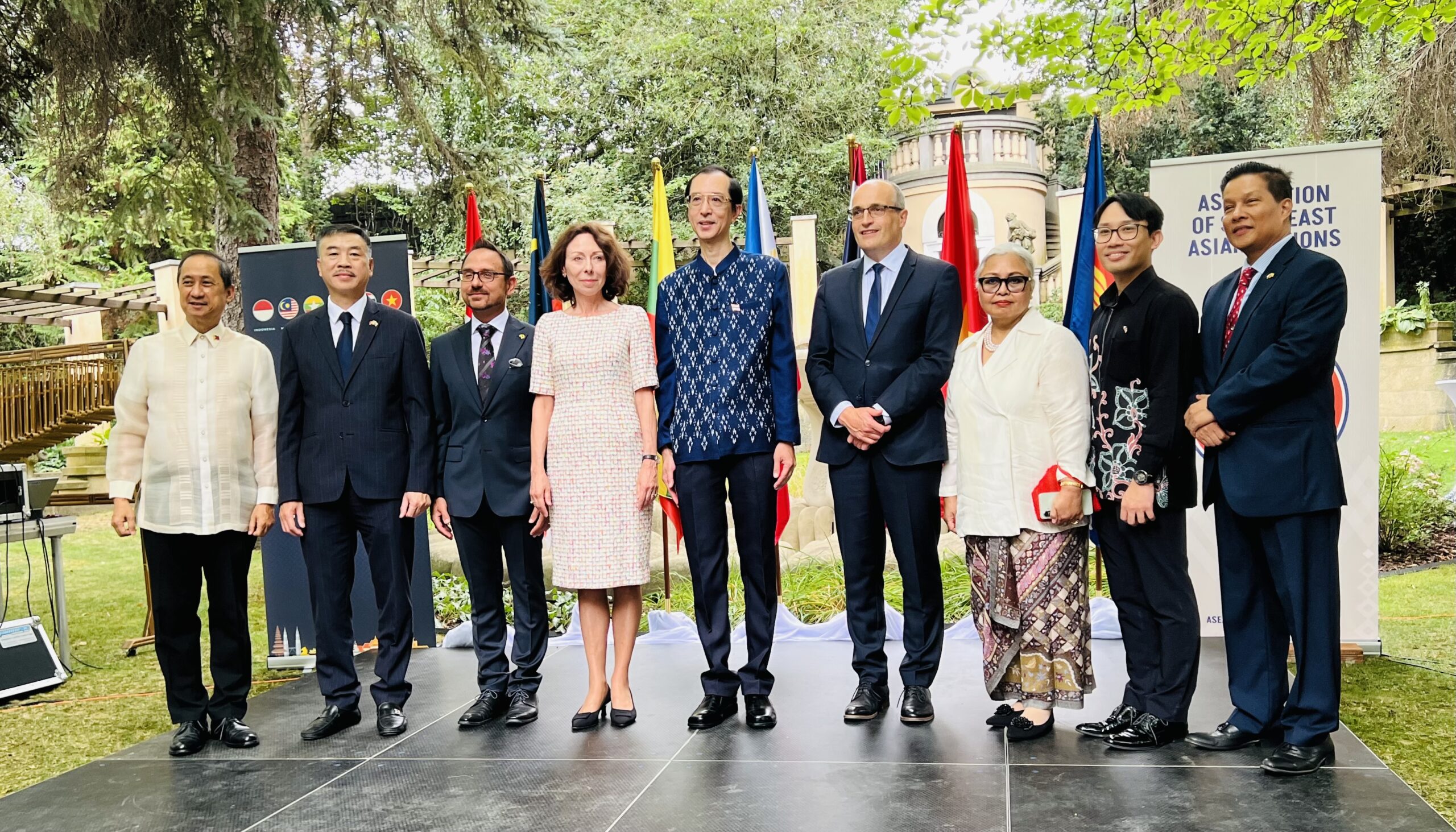
On 20 August 2026, the garden of the residence of the Ambassador of the Kingdom of Thailand in Prague was transformed for one evening into a colourful miniature of Southeast Asia.
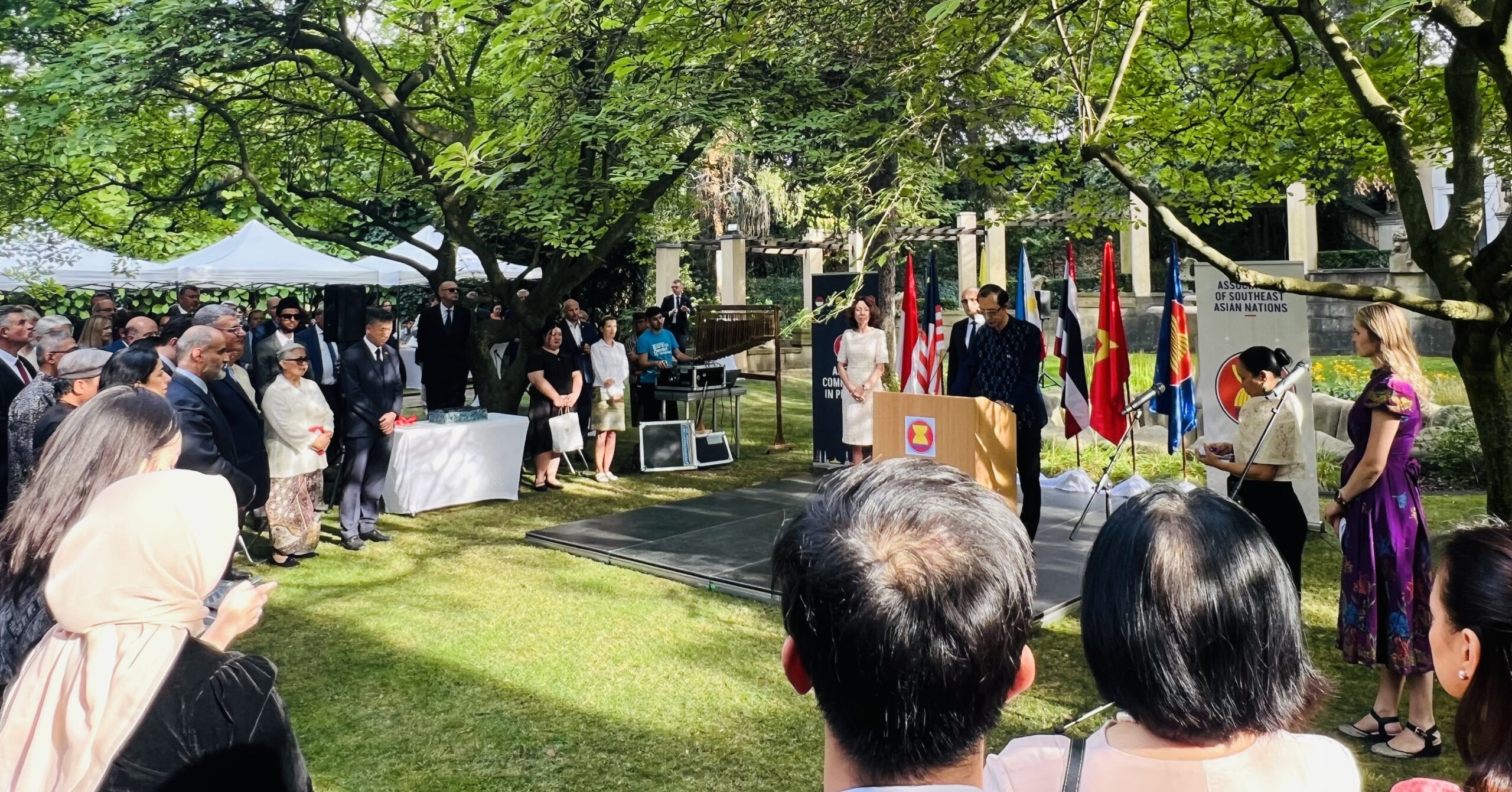
Despite the traditional summer holiday period, representatives of almost the entire diplomatic corps accredited to the Czech Republic gathered at the Thai Residence, joined by numerous personalities from Czech politics, government, business, culture and public life.
The occasion was the celebration of the 59th anniversary of the Association of Southeast Asian Nations – ASEAN, one of the world’s most remarkable and increasingly influential regional organisations.
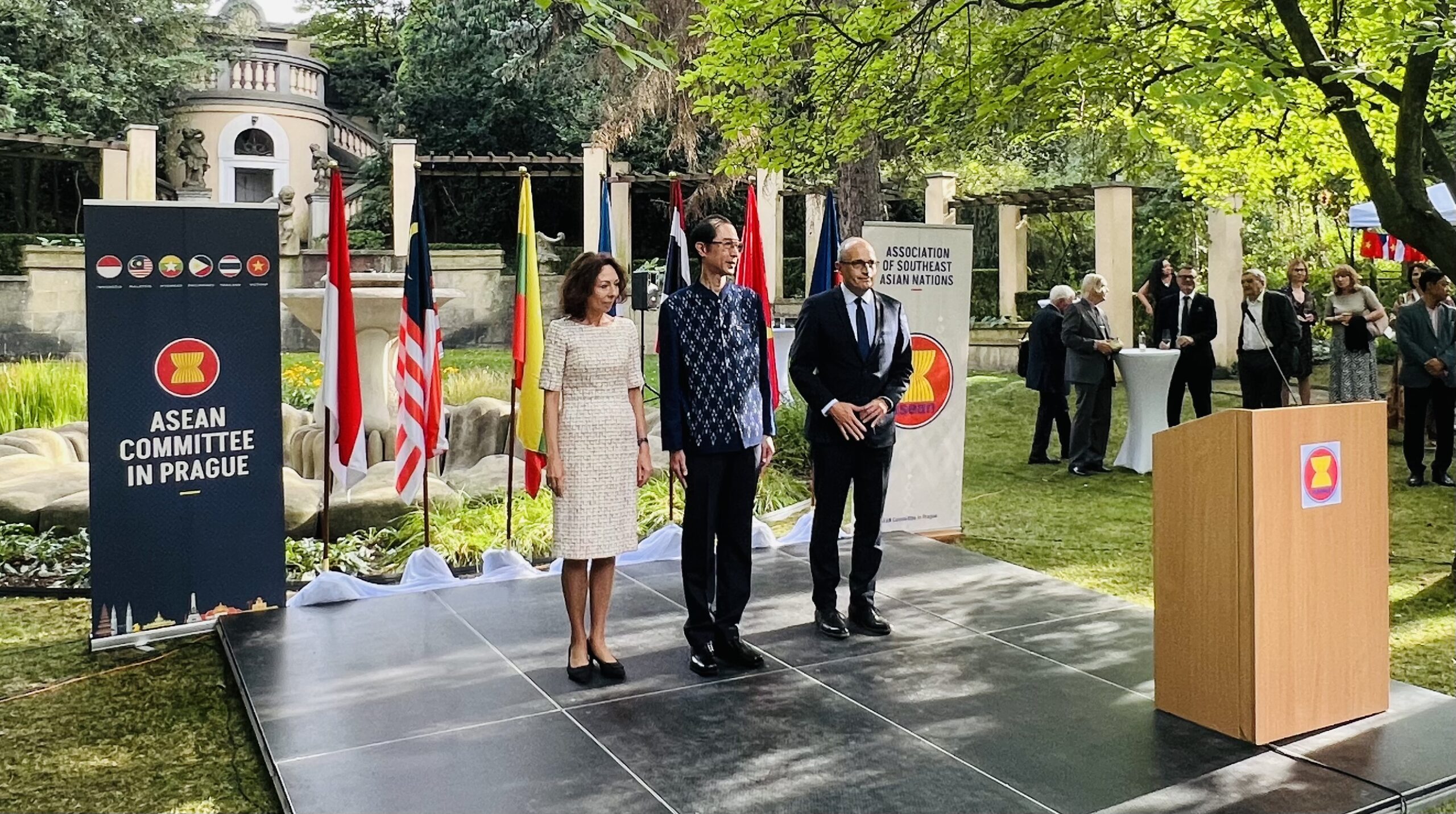
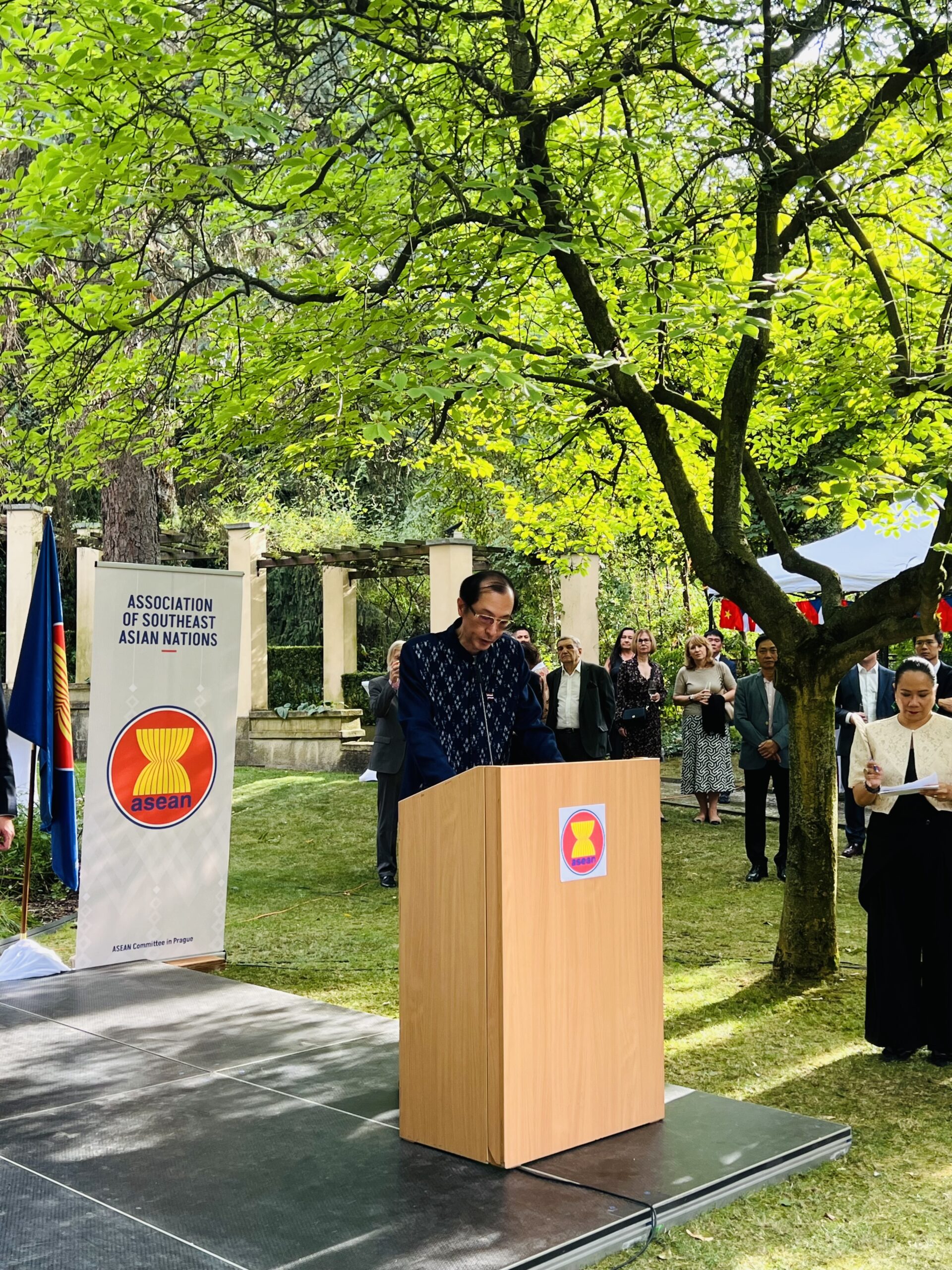
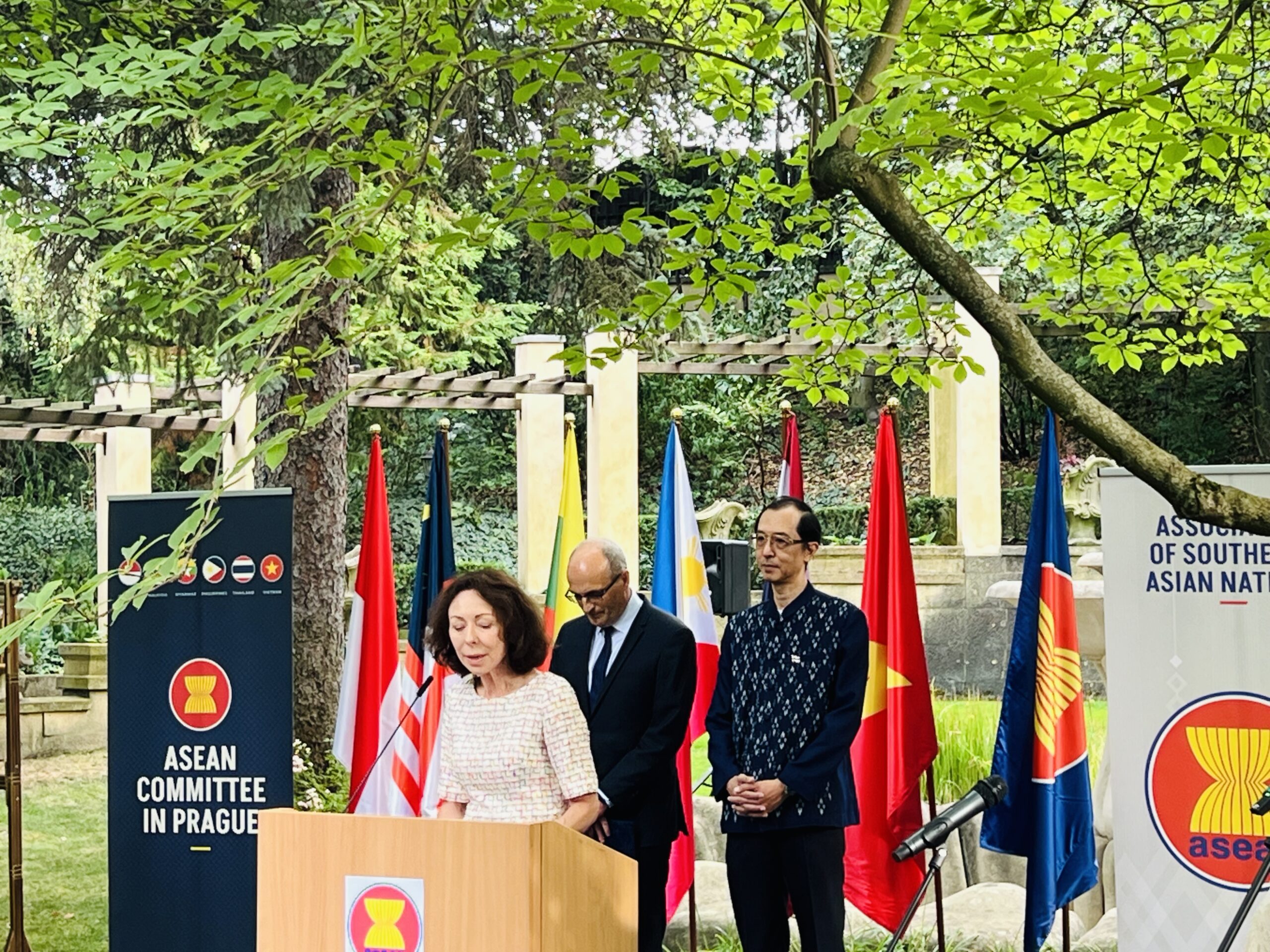
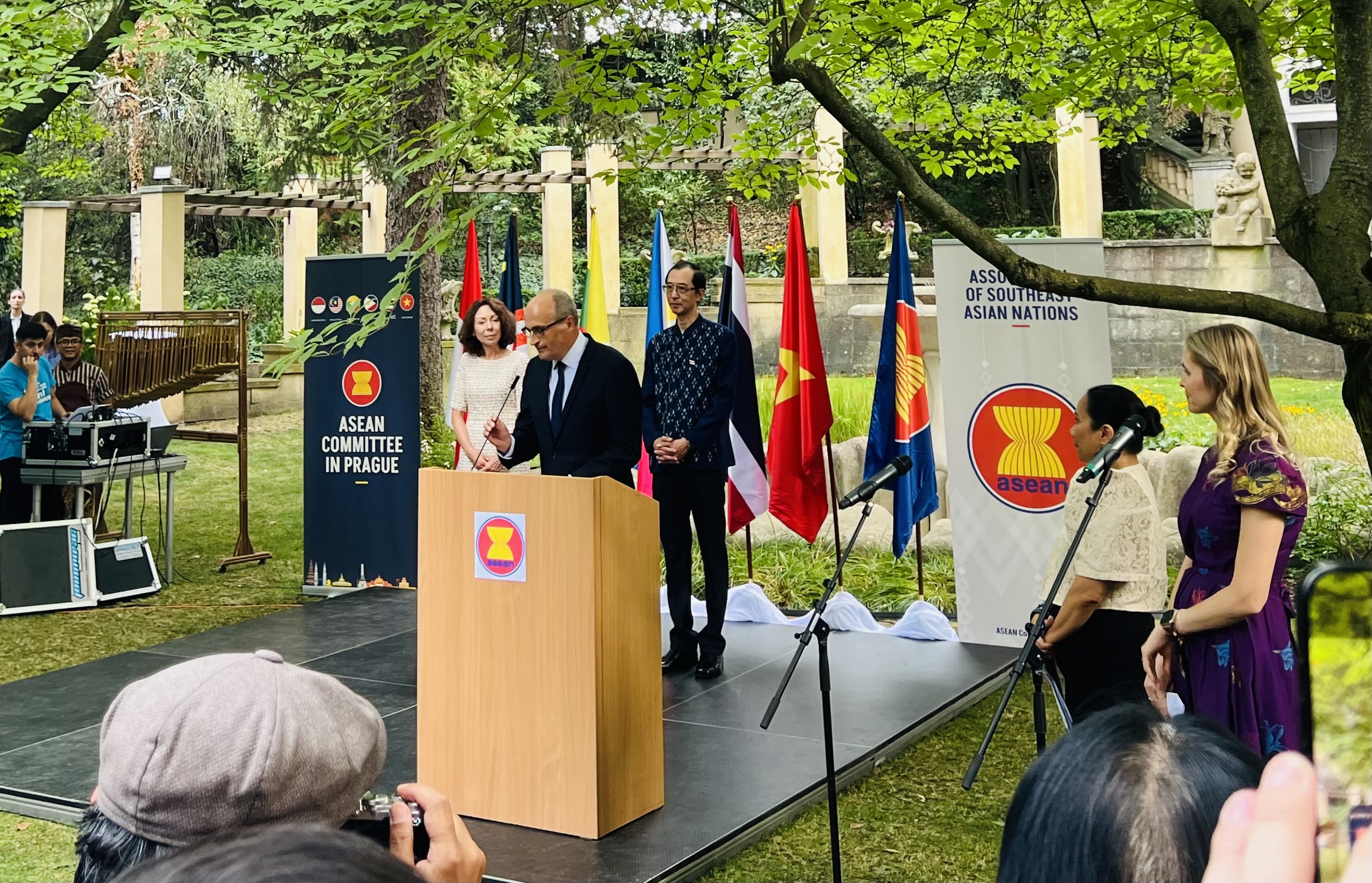
The reception was hosted by H.E. Mr. Pichit Boonsud, Ambassador of the Kingdom of Thailand to the Czech Republic, who currently also serves as Chair of the ASEAN Committee in Prague, or ACP, for the second half of 2026.
Thailand was a particularly appropriate host. Not only is Bangkok the birthplace of ASEAN, where the organization was founded in 1967, but Thailand also assumed the rotating chairmanship of the ASEAN Committee in Prague for the second half of 2026.
The two principal Czech Guests of Honor were Marie Chatardová, Deputy Minister of Foreign Affairs of the Czech Republic, and Jan Sechter, First Deputy Minister of Industry and Trade of the Czech Republic.
Their joint presence was itself significant. As Ambassador Boonsud observed in his speech, it demonstrated that relations between Czechia and ASEAN are no longer confined to traditional diplomacy but increasingly combine high-level political dialogue with practical economic cooperation.
A representative of the Czech Ministry of Defense was also among the guests, further underscoring the growing relevance of security and defense cooperation between Czechia and Indo-Pacific countries.
But ASEAN Day in Prague was much more than a diplomatic reception.
It was simultaneously a political statement, an economic forum, a cultural festival and – not least – an extraordinary culinary journey through Southeast Asia.
What Is ASEAN?
To understand the importance of the evening, it is worth looking back at what ASEAN has become during its nearly six decades of existence.
The Association of Southeast Asian Nations was founded on 8 August 1967 in Bangkok through the signing of the Bangkok Declaration.
Its five founding members were Indonesia, Malaysia, the Philippines, Singapore and Thailand.
The organisation emerged during a period in which Southeast Asia was marked by political tensions, ideological confrontation, decolonisation and the wider conflicts of the Cold War.
The founders sought something that was by no means self-evident at the time: a regional framework through which very different countries could cooperate rather than confront one another.
Their purpose was to strengthen regional cooperation while promoting peace, economic development, social progress and stability.
ASEAN gradually expanded. Brunei Darussalam joined in 1984, Vietnam in 1995, Laos and Myanmar in 1997, Cambodia in 1999, and on 26 October 2025 Timor-Leste formally became ASEAN’s eleventh member state.
The 2026 anniversary was therefore particularly important. As Ambassador Boonsud highlighted in Prague, it was the first ASEAN Day celebrated after Timor-Leste had formally joined the organisation.
Today ASEAN consists of Brunei Darussalam, Cambodia, Indonesia, Laos, Malaysia, Myanmar, the Philippines, Singapore, Thailand, Timor-Leste and Vietnam.
Unity Without Uniformity
One of the most interesting elements of Ambassador Boonsud’s speech was his explanation of what has allowed ASEAN to survive and grow despite the extraordinary differences among its members.
The eleven countries differ enormously. They include some of the world’s most advanced economies as well as developing states; enormous archipelagos and small nations; monarchies and republics; countries with different political systems, religions, languages, ethnic compositions and colonial histories.
ASEAN has never attempted to eliminate those differences.
Instead, Ambassador Boonsud captured the philosophy in a particularly concise idea: ASEAN’s strength does not depend on all its members being the same.
The organisation has learned to maintain dialogue, manage disagreements and transform diversity into a source of resilience rather than division.
That principle helps explain one of ASEAN’s most remarkable achievements.
A region that in the 1960s contained numerous political and military tensions has gradually developed an institutional culture in which governments meet continuously and disputes are usually managed through consultation, diplomacy and consensus.
ASEAN is not a European Union in Southeast Asian form, nor does it seek to be one. Its members remain strongly sovereign states.
Its method is generally pragmatic, gradual and consensus-driven – sometimes frustratingly slow to outside observers, but remarkably durable.
Its motto encapsulates the ambition: “One Vision, One Identity, One Community.”
From Five Countries to a Global Economic Powerhouse
ASEAN’s economic transformation has been extraordinary.
The region that began its cooperation in 1967 has developed into one of the great growth centers of the global economy.
ASEAN’s combined GDP is measured in the trillions of US dollars, placing the grouping collectively among the world’s largest economies.
The numbers alone, however, do not fully describe ASEAN’s importance.
Its strategic location connects the Indian and Pacific Oceans and includes some of the busiest maritime trade routes on Earth.
Its economies occupy vital positions in global supply chains for electronics, semiconductors, automobiles, machinery, textiles, energy, food production and increasingly digital services and advanced technologies.
For European companies – including those from Czechia – Southeast Asia is therefore no longer a distant emerging market.
It is becoming one of the central economic regions of the twenty-first century.
The Eleven-Member ASEAN Community
ASEAN’s evolution was not limited to economic growth.
In 2015, the ASEAN Community was formally established around three fundamental pillars: the ASEAN Political-Security Community, the ASEAN Economic Community and the ASEAN Socio-Cultural Community.
Together, they reflect ASEAN’s increasingly broad mission.
Economic integration remains central, but the organisation also deals with terrorism, cybercrime, maritime security, disaster response, environmental questions, education, healthcare, migration, culture and an enormous range of other areas.
ASEAN has also become the convening centre of a wider regional diplomatic architecture.
The ASEAN Regional Forum and the East Asia Summit bring Southeast Asian states together with larger powers including China, Japan, India, the United States, Australia and others.
This is the idea known as “ASEAN Centrality.”
ASEAN Centrality in an Increasingly Divided World
Ambassador Boonsud devoted an important part of his Prague speech to precisely this concept.
ASEAN Centrality, he explained, is based on ASEAN’s ability to bring different countries together and create platforms for dialogue, including the ASEAN Regional Forum and East Asia Summit.
These forums are especially important at a moment when geopolitical competition in the Indo-Pacific has intensified.
ASEAN’s ambition is not to become part of one geopolitical bloc against another.
Rather, it aims to remain a meeting point.
The Ambassador described these mechanisms as practical instruments for dialogue, conflict prevention and regional security.
That role may become increasingly valuable in an era marked by competition between major powers.
ASEAN 2045: Looking Toward the Next Generation
The anniversary was not presented merely as an occasion for nostalgia.
Ambassador Boonsud repeatedly looked forward.
A central element of his remarks was “ASEAN 2045: Our Shared Future,” the long-term strategic vision adopted by ASEAN leaders in 2025.
The vision seeks to build an ASEAN that is more resilient, innovative, dynamic and people-centred while maintaining the organisation at the heart of regional security and developing Southeast Asia as an important centre of economic growth in the Indo-Pacific.
The challenge is considerable.
The world of 2026 is fundamentally different from that of 1967.
Digital transformation, artificial intelligence, geopolitical competition, supply-chain restructuring, climate change, cybercrime, demographic shifts and energy security create challenges that cannot easily be solved by individual countries acting alone.
Ambassador Boonsud therefore stressed the need for deeper integration and stronger ASEAN institutions.
At the same time, he rejected the idea of an inward-looking ASEAN.
Resilience, he argued, cannot be created in isolation.
Partnerships beyond Southeast Asia remain essential – and it is precisely in this context that Czechia enters the picture.
Czechia and ASEAN: Far Apart Geographically, Increasingly Close Strategically
Prague and Southeast Asia may be separated by thousands of kilometres, but the economic and political distance is shrinking rapidly.
The Czech Republic is part of the European Union, which has been an ASEAN dialogue partner since 1977 and elevated its relationship with ASEAN to a Strategic Partnership in 2020.
For Czechia specifically, the Indo-Pacific has become increasingly important both politically and economically.
Ambassador Boonsud noted that Czechia and ASEAN share an interest in an open, inclusive and rules-based international order, welcoming the Czech Republic’s growing engagement in the Indo-Pacific and its contribution to the broader ASEAN-EU Strategic Partnership.
His speech then identified three concrete pillars for the next stage of Czech-ASEAN relations.
First Pillar: Peace and Security
The first was security.
But the Ambassador’s definition of security went well beyond traditional military questions.
He mentioned online fraud, transnational crime, cybercrime, disruptions to supply chains and disaster emergencies, together with the importance of political dialogue anchored in international law.
This is an area where Czech expertise can be highly relevant.
Czechia possesses established capabilities in cyber security, defence technology, aviation, radar systems, advanced engineering and emergency management.
At the same time, Southeast Asian governments face increasingly sophisticated cyber threats, financial scams, infrastructure vulnerabilities and natural disasters.
It is therefore significant that representatives connected with the Czech defence establishment were also present at the Prague gathering.
Once the identity and exact title of the Ministry of Defence representative have been confirmed, his participation can be incorporated into this context without speculating about any remarks he may have made.
Second Pillar: Trade, Technology and Innovation
Ambassador Boonsud’s second priority was perhaps the most immediately relevant to the large Czech business presence at the reception.
He called for closer economic cooperation through innovation.
He specifically identified Czech strengths in advanced manufacturing, aerospace, engineering, health technologies, clean energy and digital solutions.
These, he said, complement ASEAN’s rapidly growing and increasingly sophisticated markets.
This assessment goes to the heart of the economic opportunity.
Czech companies do not necessarily have to compete in Southeast Asia primarily through mass production or low prices.
Their strengths often lie in specialised technology, highly engineered products, industrial know-how and niche solutions – precisely the areas in which rapidly industrialising ASEAN economies increasingly need foreign partners.
Jan Sechter and the Economic Dimension
The participation of Jan Sechter, First Deputy Minister of Industry and Trade of the Czech Republic, was therefore especially appropriate.
His exact title is confirmed in Ambassador Boonsud’s official speech, where Sechter and Marie Chatardová were jointly welcomed as the two Guests of Honour.
Without a transcript of Sechter’s own remarks, it would be inappropriate to place specific statements in quotation marks or attribute particular claims to him.
His presence itself, however, sent a clear institutional message.
Czech relations with ASEAN are increasingly being viewed not merely through the lens of foreign policy but through trade, investment, industrial cooperation and technology partnerships.
For Czech exporters, Southeast Asia offers diversification at a time when reducing excessive dependence on individual markets and supply chains has become a strategic priority.
Third Pillar: People-to-People Connections
The third pillar in Ambassador Boonsud’s speech was perhaps the most human.
Relations between countries, he argued, must extend beyond ministries and governments.
Students, entrepreneurs and Southeast Asian communities living in Czechia constitute what he described as human bridges between the two regions.
Few examples illustrate this more clearly than the Czech-Vietnamese relationship.
Diplomatic relations date to 1950, and decades of educational and labour exchanges created a large Vietnamese community in Czechia.
But increasingly, similar human connections are developing with Thailand, Indonesia, Malaysia, the Philippines and other ASEAN states through tourism, business, education and cultural exchange.
Who Represents ASEAN in Prague?
ASEAN has eleven member states, but not every member maintains a resident embassy in the Czech capital.
The ASEAN Committee in Prague currently brings together six resident ASEAN diplomatic missions: Indonesia, Malaysia, Myanmar, the Philippines, Thailand and Vietnam.
Thailand
H.E. Mr. Pichit Boonsud
Ambassador Extraordinary and Plenipotentiary of the Kingdom of Thailand.
He is also the current Chair of the ASEAN Committee in Prague for the second half of 2026.
Indonesia
H.E. Ms. Rina P. Soemarno
Ambassador Extraordinary and Plenipotentiary of the Republic of Indonesia.
Philippines
H.E. Mr. Eduardo Martin R. Meñez
Ambassador Extraordinary and Plenipotentiary of the Republic of the Philippines.
Vietnam
H.E. Mr. Duong Hoai Nam
Ambassador Extraordinary and Plenipotentiary of the Socialist Republic of Vietnam.
Malaysia
Mr. Amirul Zaki bin Fadzir
Chargé d’Affaires a.i., Embassy of Malaysia.
Myanmar
Mr. Htuann Naung
Minister-Counsellor and Chargé d’Affaires a.i., Embassy of Myanmar.
Marie Chatardová: Political Partnership at a High Level
The Czech Ministry of Foreign Affairs was represented at senior level by Deputy Foreign Minister Marie Chatardová.
Her participation carried particular weight.
A former Czech Ambassador to France and the United Kingdom, former Permanent Representative to the United Nations, and former President of the UN Economic and Social Council, Chatardová has extensive experience in both bilateral and multilateral diplomacy.
Her presence alongside First Deputy Industry Minister Jan Sechter aligned closely with Ambassador Boonsud’s central message: the Czech-ASEAN relationship increasingly combines political diplomacy with economic diplomacy.
The Thai Ambassador explicitly highlighted this point, saying that the presence of the two Czech Guests of Honor reflected the breadth and depth of the partnership and its ability to produce concrete benefits for both sides.
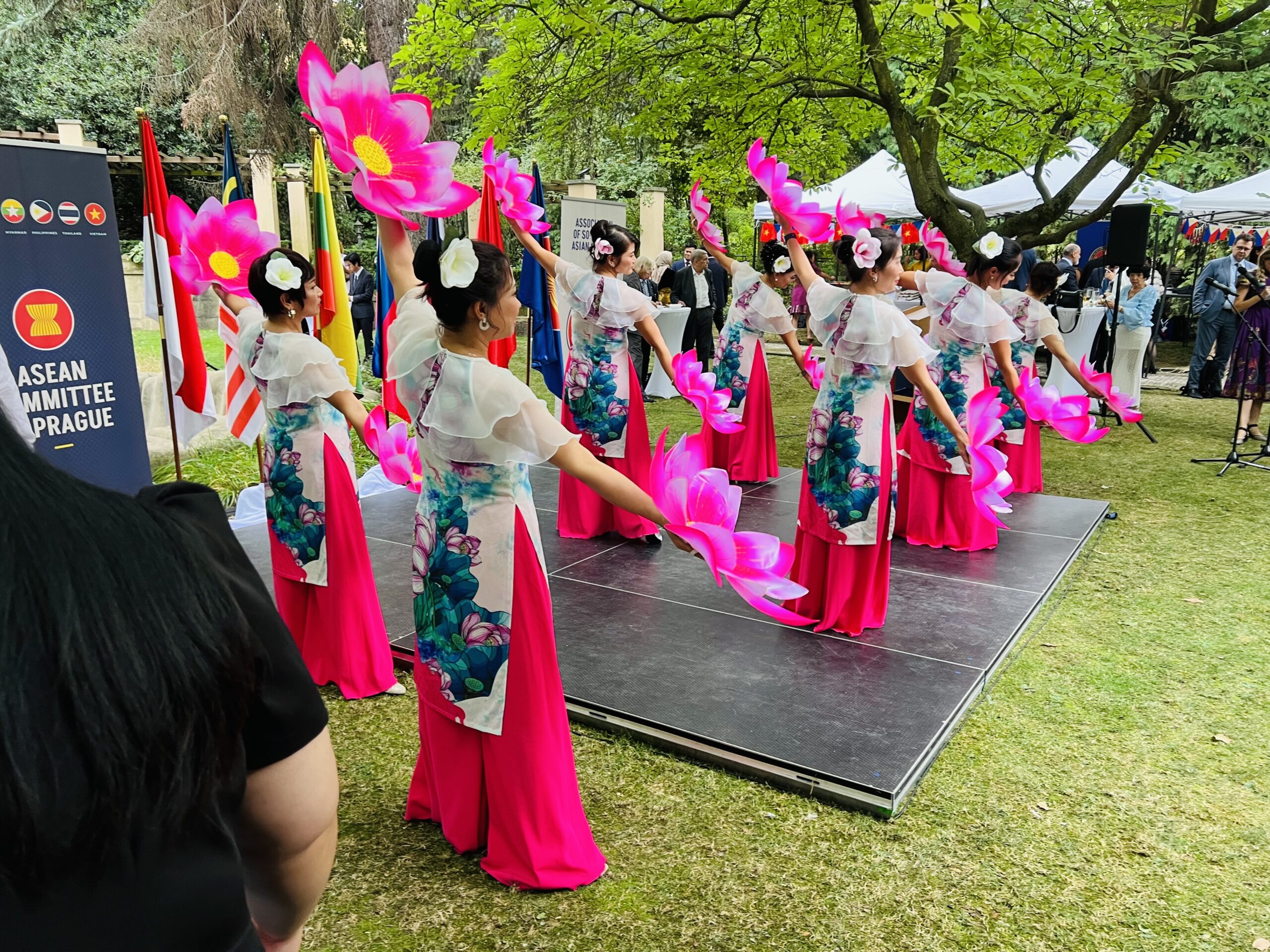
When Diplomacy Becomes Culture
After the formal speeches, the atmosphere in the garden changed.
Diplomatic protocol gave way to a colorful program designed to demonstrate the extraordinary cultural diversity of Southeast Asia.
Different ASEAN missions presented elements of their national traditions.
Guests witnessed demonstrations including Muay Thai – traditional Thai boxing – dance performances, music and a bamboo concert, alongside other cultural presentations representing the variety of Southeast Asian artistic traditions.
The effect was more than entertainment.
For an organisation whose political philosophy is based on maintaining unity while respecting enormous diversity, a cultural programme of this kind was almost a physical representation of ASEAN itself.
Different languages. Different music. Different clothing. Different cuisines. Different traditions.
Yet all presented together under one ASEAN identity.
A Culinary Journey Through Southeast Asia
The gastronomic dimension was equally impressive.
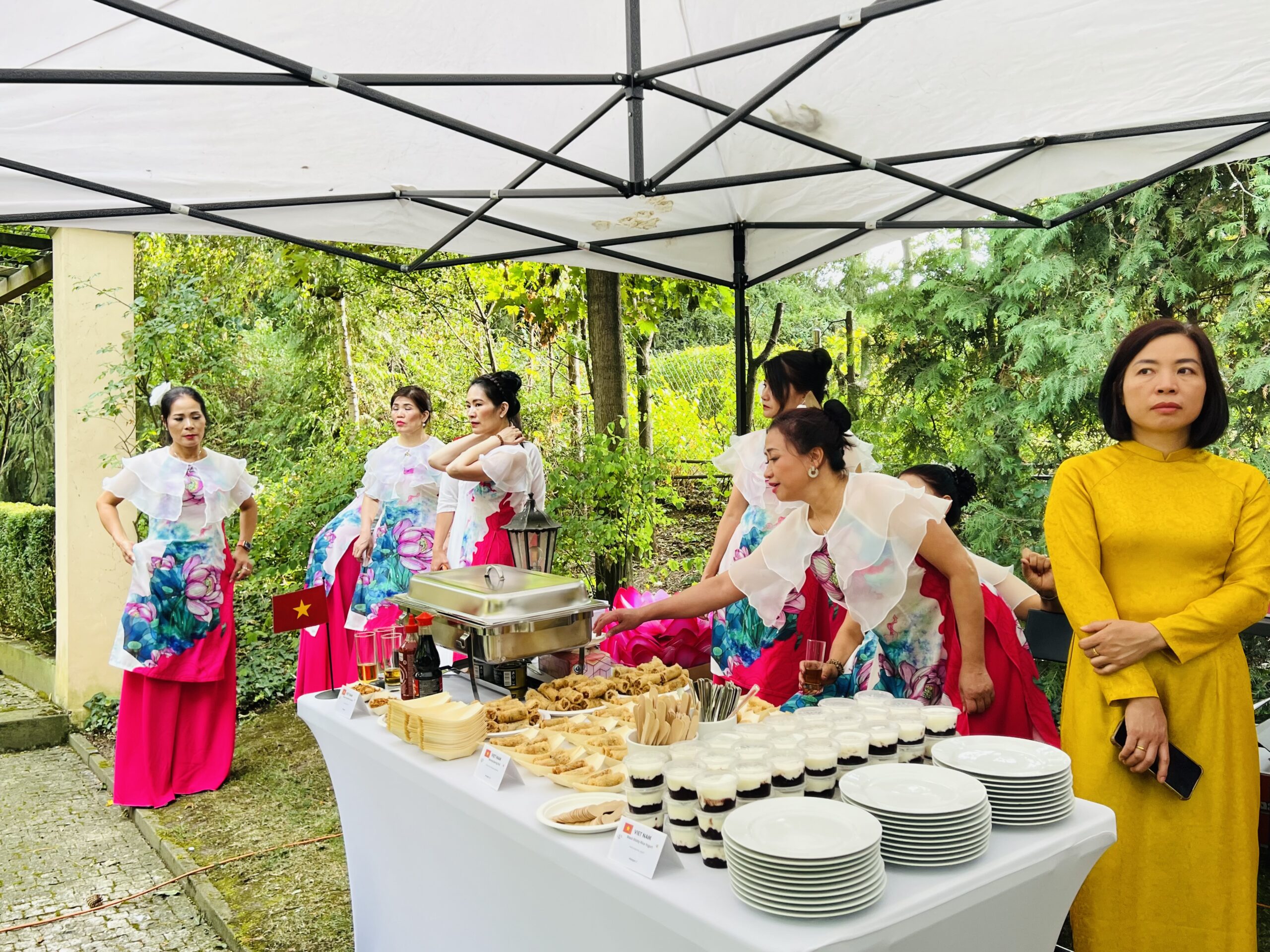
Each participating ASEAN country operated its own stand offering national specialities, effectively turning the garden of the Thai residence into an open-air culinary tour of Southeast Asia.
Thai cuisine demonstrated its famous balance of sweet, sour, salty and spicy flavours.
Vietnamese dishes reflected the freshness and aromatic herbs for which the cuisine is internationally renowned.
Indonesian food introduced guests to a culinary tradition shaped by thousands of islands and centuries of spice trading.
Malaysian cuisine reflected the fascinating interaction of Malay, Chinese, Indian and indigenous traditions.
Philippine dishes offered another completely different character, combining indigenous Southeast Asian cooking with centuries of Spanish and other international influences.
Myanmar added still another culinary tradition, situated geographically and culturally between South Asia, China and mainland Southeast Asia.
It was difficult to imagine a more pleasant illustration of ASEAN’s central idea: diversity does not have to divide.
On the contrary, diversity can become an attraction, an advantage and a source of strength.
More Than an Anniversary Reception
That was ultimately the deeper significance of the celebration.
At first glance it was a beautiful summer garden party.
Diplomats met diplomats. Businesspeople exchanged cards. Government representatives held conversations. Guests tasted food, listened to music and watched traditional performances.
But beneath that relaxed atmosphere stood something more substantial.
ASEAN celebrated 59 years of a regional project that began with five states in a deeply divided Southeast Asia and has developed into a community of eleven countries with enormous economic and political influence.
It is a region with a combined economy measured in trillions of dollars.
It sits at the heart of some of the most important maritime routes and supply chains in the world.
And it has built an unusual diplomatic model in which countries with widely differing systems and interests continue to sit together and search for consensus.
The Quintessence of Ambassador Boonsud’s Message
If one idea from Ambassador Pichit Boonsud’s speech best captured the evening, it was perhaps this:
ASEAN does not derive its strength from eliminating differences.
It derives its strength from managing those differences while continuing to cooperate.
That philosophy is as relevant internationally as it is within Southeast Asia.
His second central point concerned the future.
ASEAN cannot rely solely on the success of the past 59 years. It must respond to a changing world through stronger integration, innovation and institutions.
And his third message was directed particularly toward Czechia:
ASEAN wants partners.
Czechia has expertise that Southeast Asia needs.
ASEAN offers markets, economic dynamism, supply chains and opportunities that Czech companies increasingly need.
The overlap is substantial.
Security, technology, advanced manufacturing, aviation, healthcare, energy, digitalization, education and personal contacts all offer room for deeper cooperation.
Bringing ASEAN Closer to Czech Society
Ambassador Boonsud closed his remarks by defining a practical role for the ASEAN Committee in Prague.
With Thailand holding the chairmanship in the second half of 2026, the Committee wants to work with Czech partners to bring ASEAN closer to Czech institutions, Czech businesses and Czech society.
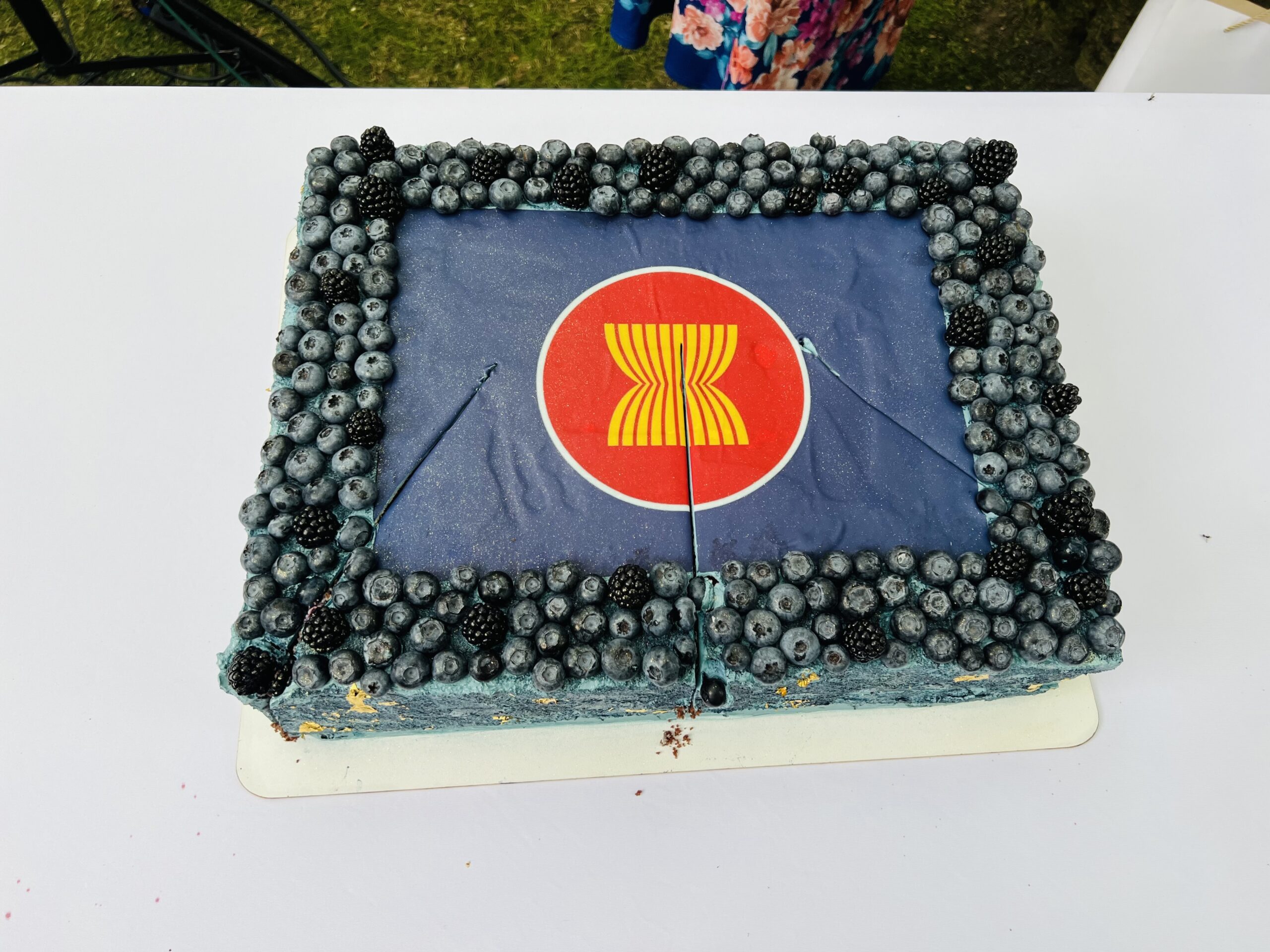
The ASEAN Day celebration itself may have been one of the best possible demonstrations of that ambition.
A political speech can explain ASEAN.
Economic statistics can demonstrate its importance.
Diplomats can describe its structure.
But an evening in which representatives of six Southeast Asian countries jointly present their culture, music, food and ideas makes the organization tangible.
For the many ambassadors, government representatives, entrepreneurs and other guests who filled the garden of the Thai Residence on 20 August, Southeast Asia was no longer several thousand kilometers away.
For a few hours, ASEAN had come to Prague.
Through a combination of diplomacy, business, culture, friendship and outstanding cuisine, the evening showed why the relationship between Czechia and one of the world’s most dynamic regions deserves considerably more attention in the years ahead.
Recent posts
See AllPrague Forum Membership
Join us
Be part of building bridges and channels to engage all the international key voices and decision makers living in the Czech Republic.
Become a member