- Hans Weber
- March 23, 2026
Interview with Karel Havlíček – Rozhovor s Karlem Havlíčkem – Interview mit Karel Havlíček
Česká verze níže – Deutsche Version weiter unten
English Version:
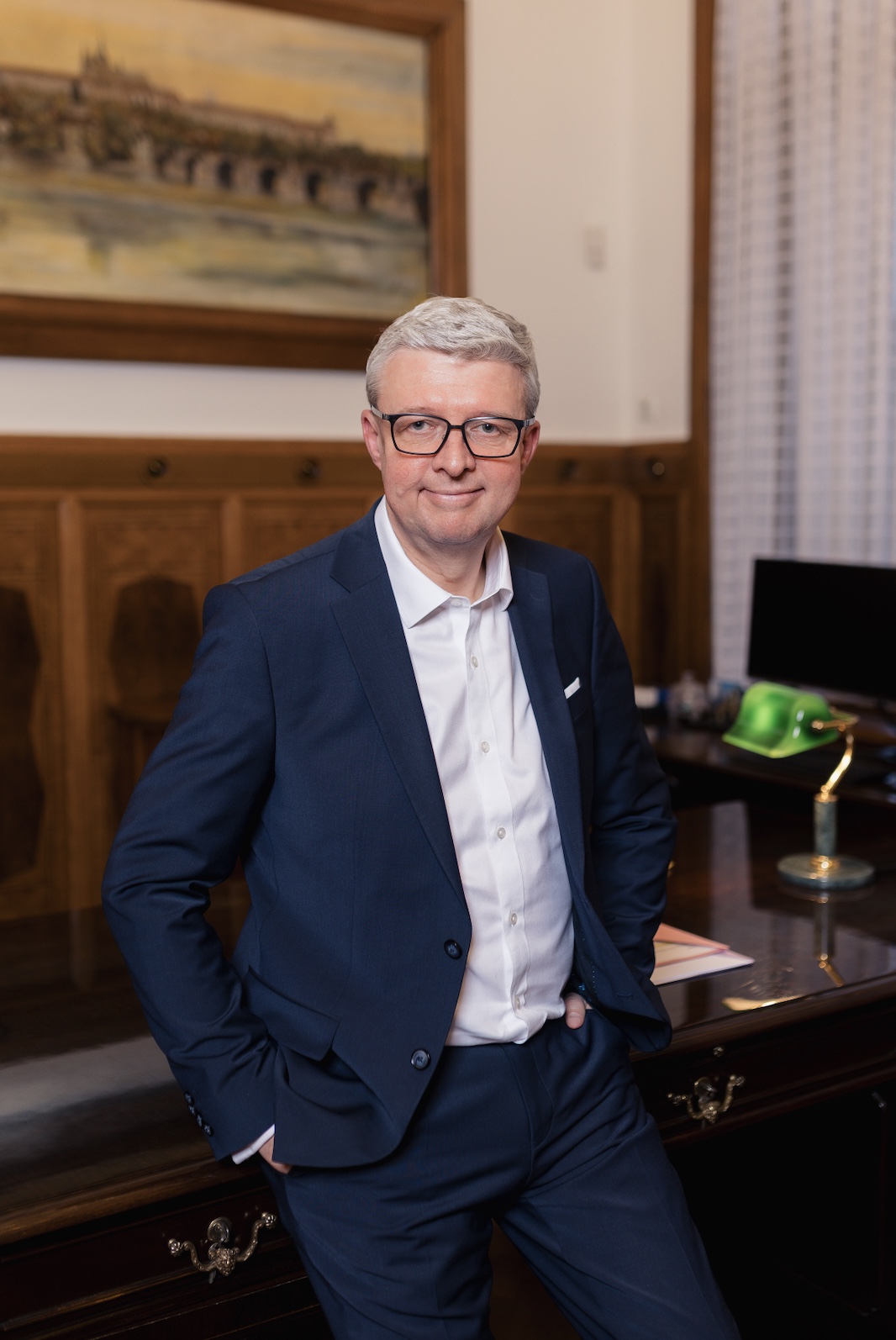
PRAGUE FORUM recently had the opportunity to conduct an interview with the First Deputy Prime Minister and Minister of Industry and Economy, Mr. Karel Havlíček, about the current situation and the government’s further plans.
Mr. Havlíček, as an experienced Deputy Prime Minister and Head of the Ministry of Industry and Trade in the new government led by Prime Minister Andrej Babiš – how does the policy of your coalition fundamentally differ from the policy of the previous government and what specific improvements and reforms are you implementing internally within the Ministry of Industry and Trade to make the Czech economy even more competitive?
The fundamental difference is that economic policy has once again become a real priority for the government. Our starting point is simply and openly formulated in the Economic Strategy Czech Republic: A Country for the Future 2.0. The Czech Republic is a small open economy whose prosperity is based on productivity, exports and investments. If these pillars weaken, the standard of living will also weaken. Therefore, internally at the Ministry of Industry and Trade, we are changing our management style. The Economic Strategy 2.0 is not a declaration, but a working tool. Each priority has its guarantor, timetable and measurable targets. We will strengthen project management, interdepartmental coordination and decision-making capacity. The aim is for the ministry to function as an active coordinator of economic policy, not just as an administrator of regulations.
How is the ANO-led government strategically building on past strengths – such as digitalisation, export support and infrastructure – and where do you see the greatest opportunities for the Czech Republic in the coming years?
The economic strategy is based on a realistic assessment of the strengths of the Czech economy. We have an industrial tradition, a strong export orientation and a relatively good technological background. However, the problem is not the absence of leaders, but their insufficient spread across the economy. We therefore see the greatest opportunity in the so-called diffusion – that is, in ensuring that digitalisation, automation and new technologies do not remain with just a few leaders, but increase the productivity of tens of thousands of small and medium-sized companies. We also want to boost exports with higher added value and connect infrastructure – transport, energy and digital – with the long-term investment needs of industry.
Some critics fear that rejecting burdensome EU regulations such as ETS2 will lead to tensions with Brussels. How does the government approach protecting Czech interests while also engaging in constructive cooperation in the EU?
Our position is in line with Strategy 2.0: we support climate goals, but we reject instruments that undermine competitiveness and social stability. ETS2 in its current form poses a significant risk to households and industry in countries with higher energy intensity. This does not mean conflict with the European Union. It means an active and open discussion on adjustments, exemptions and compensations. The Czech Republic wants to be a constructive partner, but at the same time it must defend its legitimate economic interests. This is the standard approach of every self-confident member state.
The Czech Republic is facing high electricity prices. What measures does the government plan for 2026?
Energy is one of the key topics of the Economic Strategy 2.0. Without accessible and predictable energy, it is impossible to maintain the industrial base or attract new investments. That is why we are preparing steps that will reduce the regulated component of the electricity price, including the state taking over part of the costs, while at the same time working on a more stable market setting. It is important to emphasize that these are not one-off interventions, but long-term settings that will allow companies to plan investments over a period of ten or more years.
How will the new government follow up on initiatives in the field of the circular economy?
The circular economy is perceived as part of competitiveness, not as a regulatory burden. Strategy 2.0 emphasizes the efficient use of resources, security of supply and the emergence of new business models. We support the removal of barriers to the use of secondary raw materials, the inclusion of circular solutions in public procurement and the linking of circular projects with innovation and research. The key is that circular solutions are economically viable – then they will become a natural part of the market.
Water scarcity threatens agriculture and regional development. What are the government’s priorities?
From the perspective of economic strategy, water is a strategic input for key sectors. The government therefore supports investments in water storage, retention measures and efficient irrigation. We are focusing on accelerating project implementation and removing administrative obstacles. Adaptation to climate change must be based on practical solutions with measurable impact, not just formal programs.
How is the government accelerating the absorption of EU funds for adaptation and water management?
The fundamental change lies in the approach. We do not evaluate success by the volume of funds spent, but by the real benefit to the territory and the economy. We are strengthening project management, simplifying methodologies and clearly setting national priorities for which European funds are to be used.
How does the government support the European AI gigafactory initiative?
Artificial intelligence is defined in the Economic Strategy 2.0 as a key cross-cutting technology for productivity growth. Therefore, supporting AI infrastructure is not an end in itself – it aims to accelerate innovation in industry, services and public administration. We assess the project in terms of economic benefits, impact on jobs and long-term returns. If these parameters are met, the Czech Republic can become a major European center in the field of AI.
How do you want to expand Czech-German cooperation in vocational education?
Strategy 2.0 places great emphasis on human capital. Czech-German cooperation has potential, especially in the area of recognition of qualifications, long-term partnerships between schools and companies and the development of dual education. The aim is to move from project financing to permanent institutional structures.
What role do investments in infrastructure play, including in regions such as the Moravian-Silesian Region?
Infrastructure is one of the key pillars of the strategy. Without quality transport, energy networks and digital connectivity, structural changes cannot be implemented. In regions such as the Moravian-Silesian Region, infrastructure is essential for the transition to modern industrial and technological activities and for creating new jobs.
How does the government assess the current economic dynamics and what further steps does it plan?
Current growth is positive, but it is not enough on its own. Strategy 2.0 is focused on long-term productivity growth. This means further reduction of the administrative burden, support for investment, better access to capital and a stable regulatory environment. The goal is not a short-term effect, but sustainable prosperity.
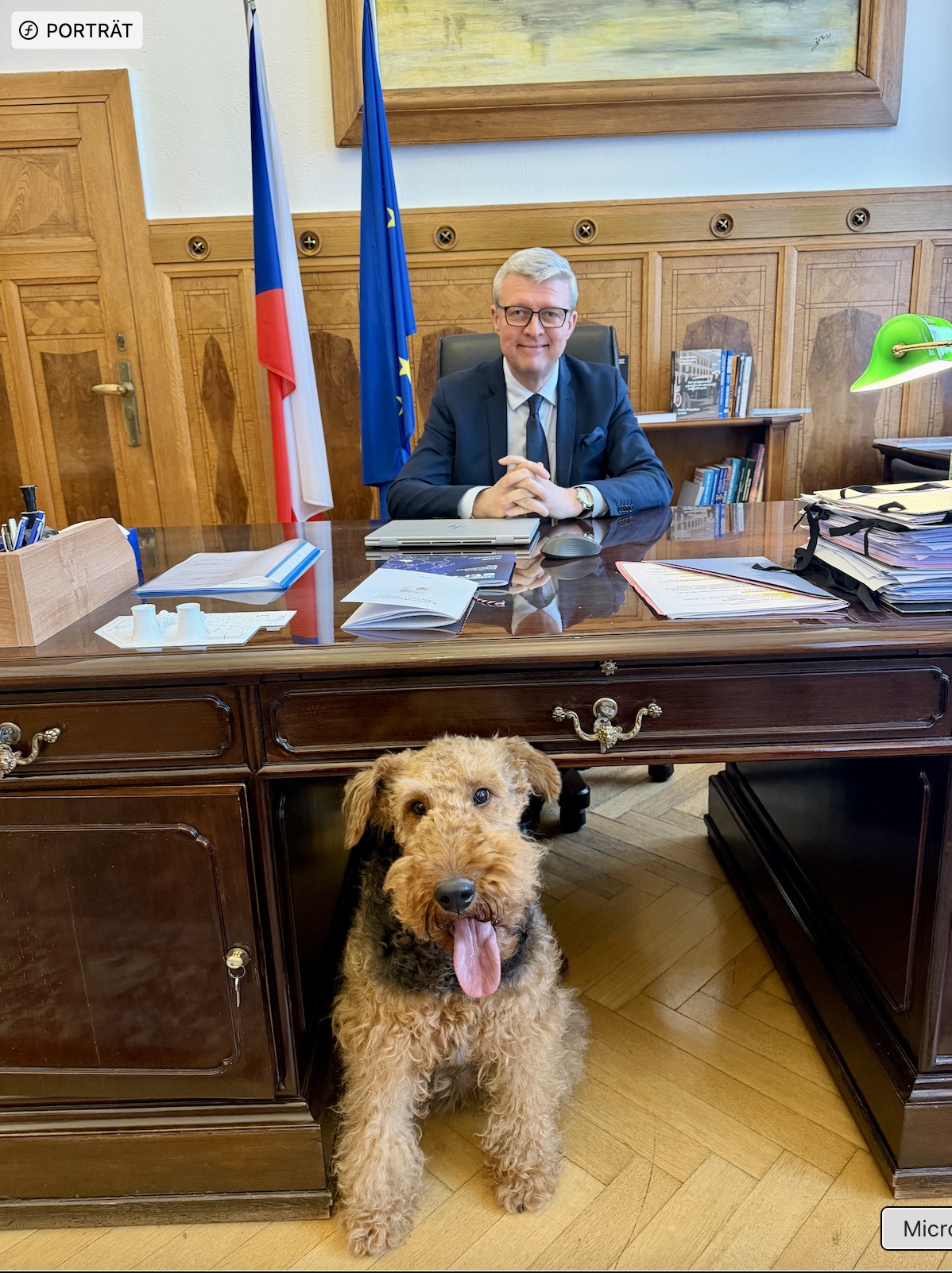
Your dog appears on social networks. What role does it play in your working life?
It is primarily a reminder of balance. Even in demanding work, it is important not to lose touch with everyday life. Betyna is welcomed with a smile at the ministry. Sometimes she can even lighten the load on formal meetings.
And finally, what do you think is the biggest difference that the new government has already achieved?
The biggest change is the return to management based on data, priorities and results. The Economic Strategy 2.0 provides a clear framework and the government has the experience and capacity to implement it. I am convinced that this approach will enable the Czech Republic to successfully navigate the coming years.
Thank you for the conversation, Mr. Havlíček
_____________________________________________________________________________________
Česká verze:
PRAGUE FORUM mělo nedávno možnost udělat rozhovor s prvním místopředsedou vlády a ministrem průmyslu a hospodářství panem Karlem Havlíčkem o aktuální situaci a dalších plánech vlády.
Pane Havlíčku, jako zkušený místopředseda vlády a šéf MPO v nové vládě pod vedením premiéra Andreje Babiše – v čem se zásadně liší politika vaší koalice od politiky předchozí vlády a jaká konkrétní vylepšení a reformy zavádíte interně v rámci Ministerstva průmyslu a obchodu, aby se česká ekonomika stala ještě konkurenceschopnější?
Zásadní rozdíl je v tom, že hospodářská politika se znovu stala skutečnou prioritou vlády. Naše východisko je jednoduché a otevřeně formulované v Hospodářské strategii Česko: Země pro budoucnost 2.0. Česká republika je malá otevřená ekonomika, jejíž prosperita stojí na produktivitě, exportu a investicích. Pokud se tyto pilíře oslabí, oslabí se i životní úroveň. Interně na MPO proto měníme způsob řízení. Hospodářská strategie 2.0 není deklarací, ale pracovním nástrojem. Každá priorita má svého garanta, časový plán a měřitelné cíle. Posílíme projektové řízení, meziresortní koordinaci a schopnost rozhodovat. Cílem je, aby ministerstvo fungovalo jako aktivní koordinátor hospodářské politiky, nikoli pouze jako administrátor regulací.
Jak vláda vedená ANO strategicky staví na minulých silných stránkách – jako je digitalizace, podpora exportu a infrastruktura – a kde vidíte největší příležitosti pro Českou republiku v nadcházejících letech?
Hospodářská strategie vychází z realistického hodnocení silných stránek české ekonomiky. Máme průmyslovou tradici, silnou exportní orientaci a relativně dobré technologické zázemí. Problémem však není absence špiček, ale jejich nedostatečné rozšíření napříč ekonomikou. Největší příležitost proto vidíme v takzvané difuzi – tedy v tom, aby digitalizace, automatizace a nové technologie nezůstaly jen u několika lídrů, ale aby zvýšily produktivitu desetitisíců malých a středních firem. Stejně tak chceme posílit export s vyšší přidanou hodnotou a propojit infrastrukturu – dopravní, energetickou i digitální – s dlouhodobými investičními potřebami průmyslu.
Někteří kritici se obávají, že odmítnutí zatěžujících předpisů EU, jako je ETS2, povede k napětí s Bruselem. Jak vláda přistupuje k ochraně českých zájmů a zároveň ke konstruktivní spolupráci v EU?
Naše pozice je v souladu se strategií 2.0: podporujeme klimatické cíle, ale odmítáme nástroje, které podkopávají konkurenceschopnost a sociální stabilitu. ETS2 v současné podobě představuje významné riziko pro domácnosti i průmysl v zemích s vyšší energetickou náročností. To neznamená konflikt s Evropskou unií. Znamená to aktivní a otevřenou diskusi o úpravách, výjimkách a kompenzacích. Česká republika chce být konstruktivním partnerem, ale zároveň musí hájit své legitimní ekonomické zájmy. To je standardní přístup každé sebevědomé členské země.
Česká republika čelí vysokým cenám elektřiny. Jaká opatření vláda plánuje pro rok 2026?
Energie jsou jedním z klíčových témat Hospodářské strategie 2.0. Bez dostupné a predikovatelné energie nelze udržet průmyslovou základnu ani přilákat nové investice. Proto připravujeme kroky, které sníží regulovanou složku ceny elektřiny, včetně převzetí části nákladů státem, a zároveň pracujeme na stabilnějším tržním nastavení. Důležité je zdůraznit, že nejde o jednorázové zásahy, ale o dlouhodobé nastavení, které firmám umožní plánovat investice v horizontu deseti i více let.
Jak nová vláda naváže na iniciativy v oblasti cirkulární ekonomiky?
Cirkulární ekonomika je vnímána jako součást konkurenceschopnosti, nikoli jako regulativní zátěž. Strategie 2.0 klade důraz na efektivní využívání zdrojů, bezpečnost dodávek a vznik nových obchodních modelů. Podporujeme odstranění bariér pro využívání druhotných surovin, zapojení cirkulárních řešení do veřejných zakázek a propojování cirkulárních projektů s inovacemi a výzkumem. Klíčové je, aby cirkulární řešení obstála ekonomicky – pak se stanou přirozenou součástí trhu.
Nedostatek vody ohrožuje zemědělství i regionální rozvoj. Jaké jsou priority vlády?
Z pohledu hospodářské strategie je voda strategickým vstupem pro klíčová odvětví. Vláda proto podporuje investice do akumulace vody, retenčních opatření a efektivního zavlažování. Důraz klademe na zrychlení realizace projektů a odstranění administrativních překážek. Adaptace na změnu klimatu musí být založena na praktických řešeních s měřitelným dopadem, nikoli pouze na formálních programech.
Jak vláda urychluje čerpání prostředků EU na adaptaci a vodní hospodářství?
Základní změna spočívá v přístupu. Nehodnotíme úspěch podle objemu vyčerpaných prostředků, ale podle skutečného přínosu pro území a ekonomiku. Posilujeme projektové řízení, zjednodušujeme metodiky a jasně stanovujeme národní priority, kterým mají evropské prostředky sloužit.
Jak vláda podporuje iniciativu evropské AI gigafactory?
Umělá inteligence je v Hospodářské strategii 2.0 definována jako klíčová průřezová technologie pro růst produktivity. Podpora infrastruktury pro AI proto není samoúčelná – jejím cílem je urychlit inovace v průmyslu, službách i státní správě. Projekt posuzujeme z hlediska ekonomického přínosu, dopadu na pracovní místa a dlouhodobé návratnosti. Pokud tyto parametry budou splněny, může se Česká republika stát významným evropským centrem v oblasti AI.
Jak chcete rozšířit česko-německou spolupráci v odborném vzdělávání?
Strategie 2.0 klade velký důraz na lidský kapitál. Česko-německá spolupráce má potenciál zejména v oblasti uznávání kvalifikací, dlouhodobých partnerství škol a podniků a rozvoje duálního vzdělávání. Cílem je přechod od projektového financování k trvalým institucionálním strukturám.
Jakou roli hrají investice do infrastruktury, včetně regionů jako Moravskoslezský kraj?
Infrastruktura je jedním z klíčových pilířů strategie. Bez kvalitní dopravy, energetických sítí a digitální konektivity nelze realizovat strukturální změny. V regionech, jako je Moravskoslezský kraj, je infrastruktura zásadní pro přechod k moderním průmyslovým a technologickým aktivitám a tvorbu nových pracovních míst.
Jak vláda hodnotí současnou ekonomickou dynamiku a jaké další kroky plánuje?
Současný růst je pozitivní, ale sám o sobě nestačí. Strategie 2.0 je zaměřena na dlouhodobý růst produktivity. To znamená další snižování administrativní zátěže, podporu investic, lepší přístup ke kapitálu a stabilní regulatorní prostředí. Cílem není krátkodobý efekt, ale udržitelná prosperita.
Váš pes se objevuje na sociálních sítích. Jakou roli hraje ve vašem pracovním životě?
Je to především připomínka rovnováhy. I v náročné práci je důležité neztratit kontakt s běžným životem. Na ministerstvu Betynu přijímají s úsměvem. Někdy dokáže odlehčit i formální jednání.
A závěrem – jaký je podle vás největší rozdíl, kterého nová vláda již dosáhla?
Největší změnou je návrat k řízení založenému na datech, prioritách a výsledcích. Hospodářská strategie 2.0 dává jasný rámec a vláda má zkušenost i kapacitu jej naplnit. Jsem přesvědčen, že právě tento přístup umožní České republice úspěšně zvládnout nadcházející roky.
Děkuji za rozhovor, pane Havlíčku.
___________________________________________________________________________________________
Deutsche Version:
PRAGUE FORUM hatte kürzlich die Gelegenheit, den ersten stellvertretenden Ministerpräsidenten und Minister für Industrie und Wirtschaft, Herrn Karel Havlíček, zur aktuellen Lage und den weiteren Plänen der Regierung zu befragen.
Herr Havlíček, als erfahrener stellvertretender Ministerpräsident und Leiter des Ministeriums für Industrie und Handel in der neuen Regierung unter Ministerpräsident Andrej Babiš – wie unterscheidet sich die Politik Ihrer Koalition grundlegend von der der Vorgängerregierung, und welche konkreten Verbesserungen und Reformen setzen Sie intern im Ministerium für Industrie und Handel um, um die Wettbewerbsfähigkeit der tschechischen Wirtschaft weiter zu stärken?
Der grundlegende Unterschied besteht darin, dass die Wirtschaftspolitik wieder eine zentrale Priorität der Regierung geworden ist. Unser Ausgangspunkt ist klar und transparent in der Wirtschaftsstrategie „Tschechische Republik: Ein Land für die Zukunft 2.0“ formuliert. Die Tschechische Republik ist eine kleine, offene Volkswirtschaft, deren Wohlstand auf Produktivität, Exporten und Investitionen beruht. Schwächt sich diese Grundlage ab, sinkt auch der Lebensstandard. Daher verändern wir intern im Ministerium für Industrie und Handel unsere Vorgehensweise. Die Wirtschaftsstrategie 2.0 ist keine bloße Erklärung, sondern ein praktisches Instrument. Jede Priorität hat ihren Verantwortlichen, einen Zeitplan und messbare Ziele. Wir werden das Projektmanagement, die ressortübergreifende Koordination und die Entscheidungsfindung stärken. Ziel ist es, dass das Ministerium als aktiver Koordinator der Wirtschaftspolitik fungiert und nicht nur als Verwalter von Vorschriften.
Wie baut die von der ANO geführte Regierung strategisch auf bisherigen Stärken – wie Digitalisierung, Exportförderung und Infrastruktur – auf, und wo sehen Sie die größten Chancen für die Tschechische Republik in den kommenden Jahren?
Die Wirtschaftsstrategie basiert auf einer realistischen Einschätzung der Stärken der tschechischen Wirtschaft. Wir verfügen über eine industrielle Tradition, eine starke Exportorientierung und einen relativ guten technologischen Hintergrund. Das Problem ist jedoch nicht das Fehlen von Vorreitern, sondern deren unzureichende Verteilung in der Wirtschaft. Wir sehen daher die größte Chance in der sogenannten Diffusion – also darin, sicherzustellen, dass Digitalisierung, Automatisierung und neue Technologien nicht nur einigen wenigen Vorreitern vorbehalten bleiben, sondern die Produktivität Zehntausender kleiner und mittlerer Unternehmen steigern. Wir wollen außerdem Exporte mit höherer Wertschöpfung ankurbeln und die Infrastruktur – Verkehr, Energie und Digitalisierung – mit dem langfristigen Investitionsbedarf der Industrie verknüpfen.
Manche Kritiker befürchten, dass die Ablehnung belastender EU-Regulierungen wie ETS2 zu Spannungen mit Brüssel führen wird. Wie geht die Regierung mit dem Schutz tschechischer Interessen und gleichzeitig mit einer konstruktiven Zusammenarbeit in der EU um?
Unsere Position steht im Einklang mit Strategie 2.0: Wir unterstützen die Klimaziele, lehnen aber Instrumente ab, die Wettbewerbsfähigkeit und soziale Stabilität untergraben. ETS2 in seiner jetzigen Form stellt ein erhebliches Risiko für Haushalte und Industrie in Ländern mit höherer Energieintensität dar. Dies bedeutet keinen Konflikt mit der Europäischen Union. Es bedeutet eine aktive und offene Diskussion über Anpassungen, Ausnahmen und Kompensationen. Die Tschechische Republik möchte ein konstruktiver Partner sein, muss aber zugleich ihre legitimen wirtschaftlichen Interessen verteidigen. Dies ist die übliche Vorgehensweise jedes selbstbewussten Mitgliedstaats.
Die Tschechische Republik ist mit hohen Strompreisen konfrontiert. Welche Maßnahmen plant die Regierung für 2026?
Energie ist eines der zentralen Themen der Wirtschaftsstrategie 2.0. Ohne eine zugängliche und planbare Energieversorgung ist es unmöglich, die industrielle Basis zu erhalten oder neue Investitionen anzuziehen. Deshalb bereiten wir Maßnahmen vor, die den regulierten Anteil des Strompreises senken werden, unter anderem durch die teilweise Kostenübernahme des Staates. Gleichzeitig arbeiten wir an einem stabileren Marktumfeld. Es ist wichtig zu betonen, dass es sich hierbei nicht um einmalige Eingriffe handelt, sondern um langfristige Maßnahmen, die es Unternehmen ermöglichen, Investitionen über einen Zeitraum von zehn Jahren oder länger zu planen.
Wie wird die neue Regierung die Initiativen im Bereich der Kreislaufwirtschaft weiterverfolgen?
Die Kreislaufwirtschaft wird als Wettbewerbsvorteil und nicht als regulatorische Belastung wahrgenommen. Strategie 2.0 betont die effiziente Ressourcennutzung, die Versorgungssicherheit sowie die Entwicklung neuer Geschäftsmodelle. Wir unterstützen den Abbau von Hindernissen für die Nutzung von Sekundärrohstoffen, die Einbeziehung von Kreislauflösungen in die öffentliche Auftragsvergabe sowie die Verknüpfung von Kreislaufprojekten mit Innovation und Forschung. Entscheidend ist, dass Kreislauflösungen wirtschaftlich tragfähig sind – dann werden sie sich selbstverständlich auf dem Markt etablieren.
Wasserknappheit bedroht Landwirtschaft und regionale Entwicklung. Welche Prioritäten setzt die Regierung?
Aus wirtschaftsstrategischer Sicht ist Wasser ein strategischer Produktionsfaktor für Schlüsselsektoren. Die Regierung unterstützt daher Investitionen in Wasserspeicherung, Wasserrückhaltung und effiziente Bewässerung. Wir konzentrieren uns darauf, die Projektumsetzung zu beschleunigen und administrative Hürden abzubauen. Die Anpassung an den Klimawandel muss auf praktischen Lösungen mit messbarer Wirkung basieren, nicht nur auf formalen Programmen.
Wie beschleunigt die Regierung die Inanspruchnahme von EU-Mitteln für Anpassung und Wassermanagement?
Der grundlegende Wandel liegt im Ansatz. Wir messen den Erfolg nicht an der Höhe der ausgegebenen Mittel, sondern am tatsächlichen Nutzen für die Region und die Wirtschaft. Wir stärken das Projektmanagement, vereinfachen die Methoden und legen klare nationale Prioritäten fest, für die europäische Mittel eingesetzt werden sollen.
Wie unterstützt die Regierung die europäische KI-Gigafactory-Initiative?
Künstliche Intelligenz (KI) wird in der Wirtschaftsstrategie 2.0 als Schlüsseltechnologie für das Wachstum der Produktivität definiert. Die Förderung der KI-Infrastruktur ist daher kein Selbstzweck, sondern zielt darauf ab, Innovationen in der Industrie, den Dienstleistungen und der öffentlichen Verwaltung zu beschleunigen. Wir bewerten das Projekt hinsichtlich des wirtschaftlichen Nutzens, der Auswirkungen auf den Arbeitsmarkt und der langfristigen Rendite. Werden diese Parameter erfüllt, kann Tschechien zu einem bedeutenden europäischen Zentrum im Bereich der KI werden.
Wie soll die deutsch-tschechische Zusammenarbeit in der Berufsbildung ausgebaut werden?
Strategie 2.0 legt großen Wert auf Humankapital. Die deutsch-tschechische Zusammenarbeit birgt Potenzial, insbesondere in den Bereichen der Anerkennung von Qualifikationen, der langfristigen Partnerschaften zwischen Schulen und Unternehmen sowie der Entwicklung dualer Ausbildungen. Ziel ist es, von der Projektfinanzierung zu dauerhaften institutionellen Strukturen überzugehen.
Welche Rolle spielen Investitionen in die Infrastruktur, auch in Regionen wie der Mährisch-Schlesischen Region?
Die Infrastruktur ist eine der tragenden Säulen der Strategie. Ohne qualitativ hochwertige Verkehrs-, Energie- und digitale Netze lassen sich keine Strukturveränderungen umsetzen. In Regionen wie der Mährisch-Schlesischen Region ist die Infrastruktur unerlässlich für den Übergang zu modernen Industrie- und Technologiezweigen sowie für die Schaffung neuer Arbeitsplätze.
Wie beurteilt die Regierung die aktuelle Wirtschaftslage und welche weiteren Schritte plant sie?
Das derzeitige Wachstum ist positiv, aber allein nicht ausreichend. Strategie 2.0 konzentriert sich auf langfristiges Wachstum der Produktivität. Dies bedeutet weiteren Abbau des Verwaltungsaufwands, Investitionsförderung, besseren Zugang zu Kapital und ein stabiles regulatorisches Umfeld. Ziel ist nicht ein kurzfristiger Effekt, sondern nachhaltiger Wohlstand.
Ihr Hund ist in den sozialen Netzwerken präsent. Welche Rolle spielt er in Ihrem Berufsleben?
Er erinnert mich vor allem an die Balance. Auch bei anspruchsvoller Arbeit ist es wichtig, den Bezug zum Alltag nicht zu verlieren. Betyna wird im Ministerium stets freundlich empfangen. Manchmal lockert sie sogar formelle Meetings auf.
Und schließlich – was ist Ihrer Meinung nach der größte Unterschied, den die neue Regierung bereits erreicht hat?
Die größte Veränderung ist die Rückkehr zu einem daten-, prioritäten- und ergebnisorientierten Management. Die Wirtschaftsstrategie 2.0 bietet einen klaren Rahmen, und die Regierung verfügt über die Erfahrung und die Kapazität, sie umzusetzen. Ich bin überzeugt, dass dieser Ansatz der Tschechischen Republik ermöglichen wird, die kommenden Jahre erfolgreich zu meistern.
Wir bedanken uns für das Gespräch Herr Havlíček
Recent posts
See AllPrague Forum Membership
Join us
Be part of building bridges and channels to engage all the international key voices and decision makers living in the Czech Republic.
Become a member