- Hans Weber
- March 23, 2026
Successful Promotion Event for the Fourth China International Supply Chain Expo in Prague
中文版如下
Article by Hans Weber
Building Bridges to Global Opportunities in a Rebalancing World
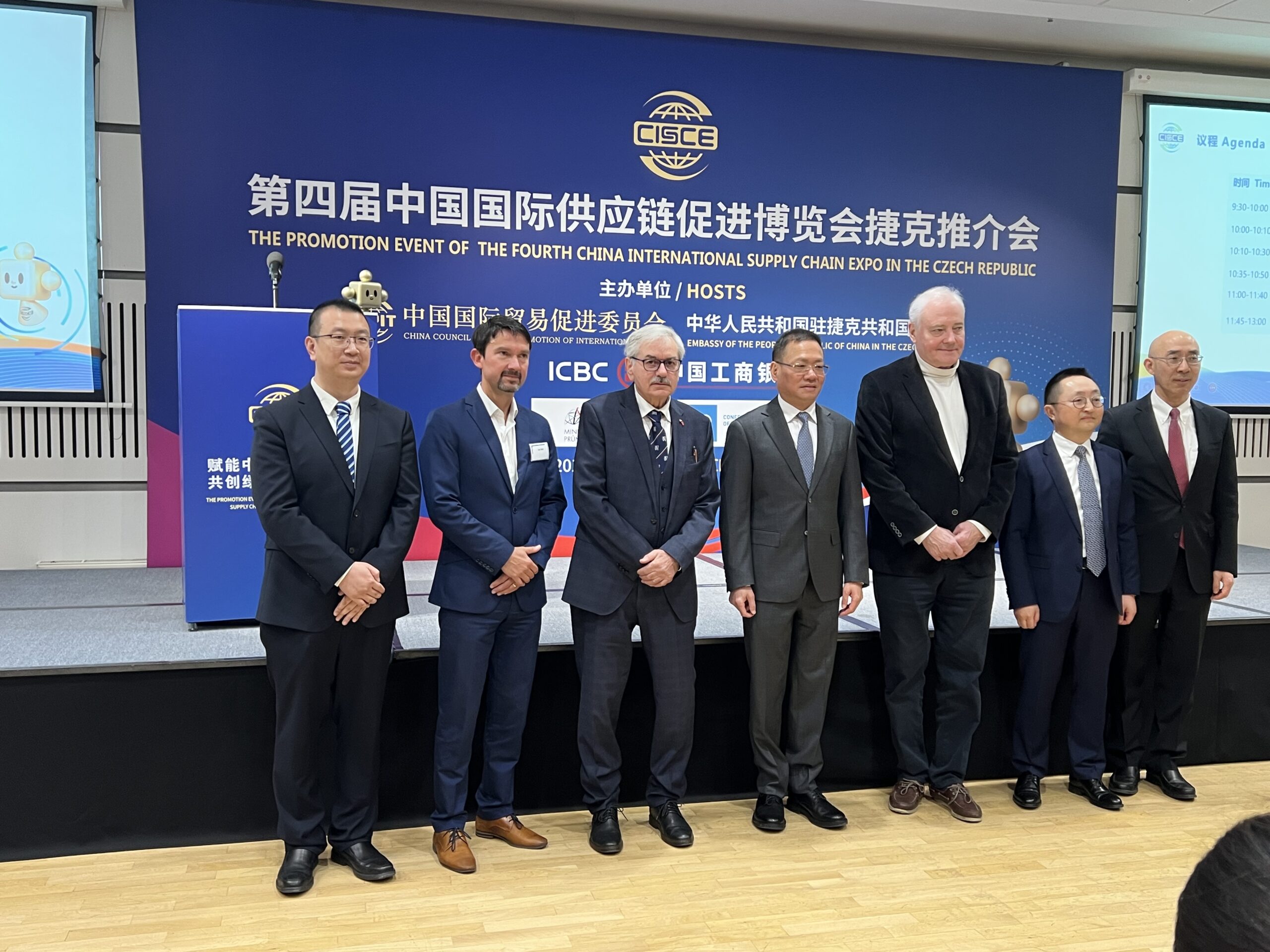
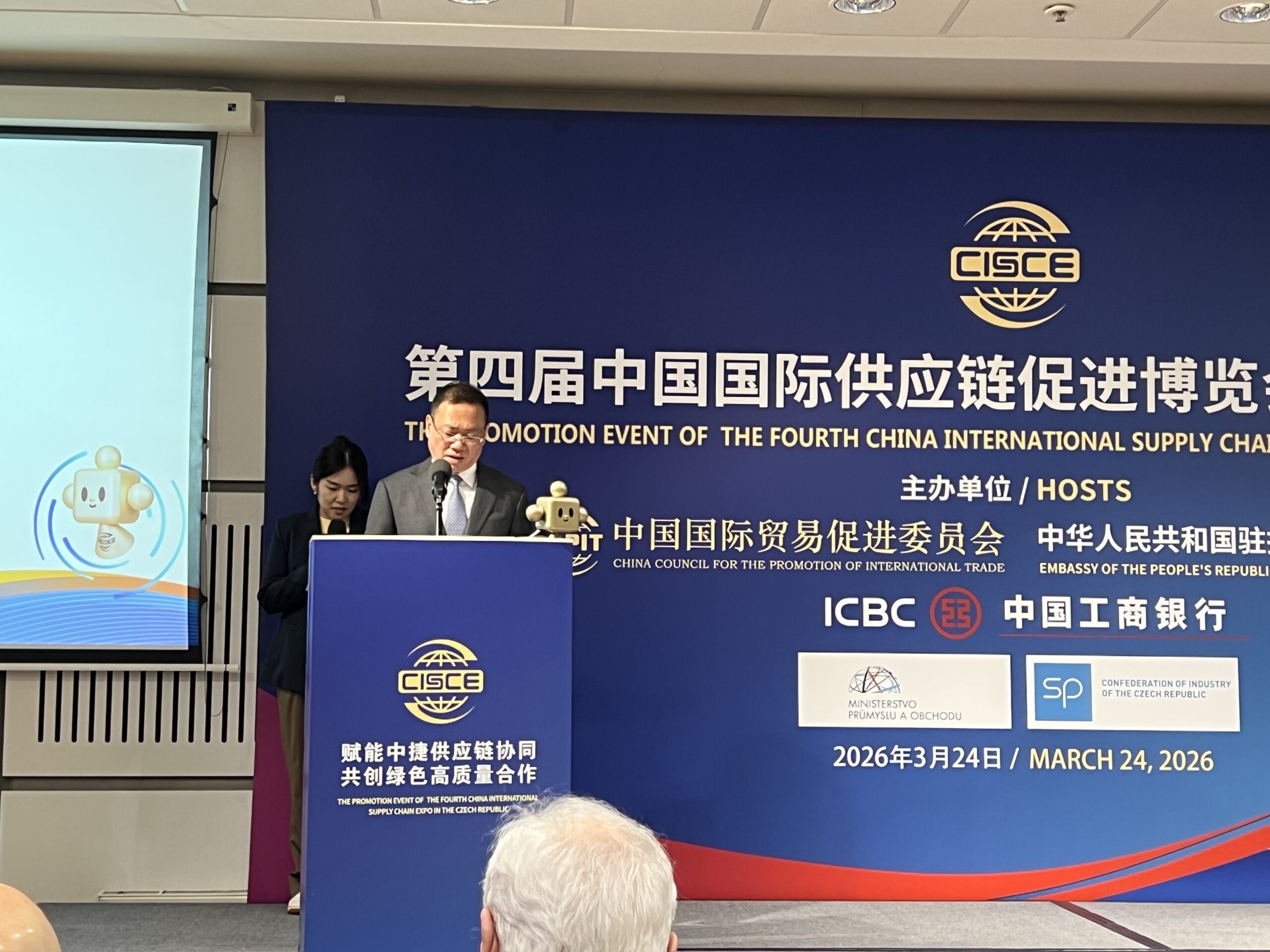
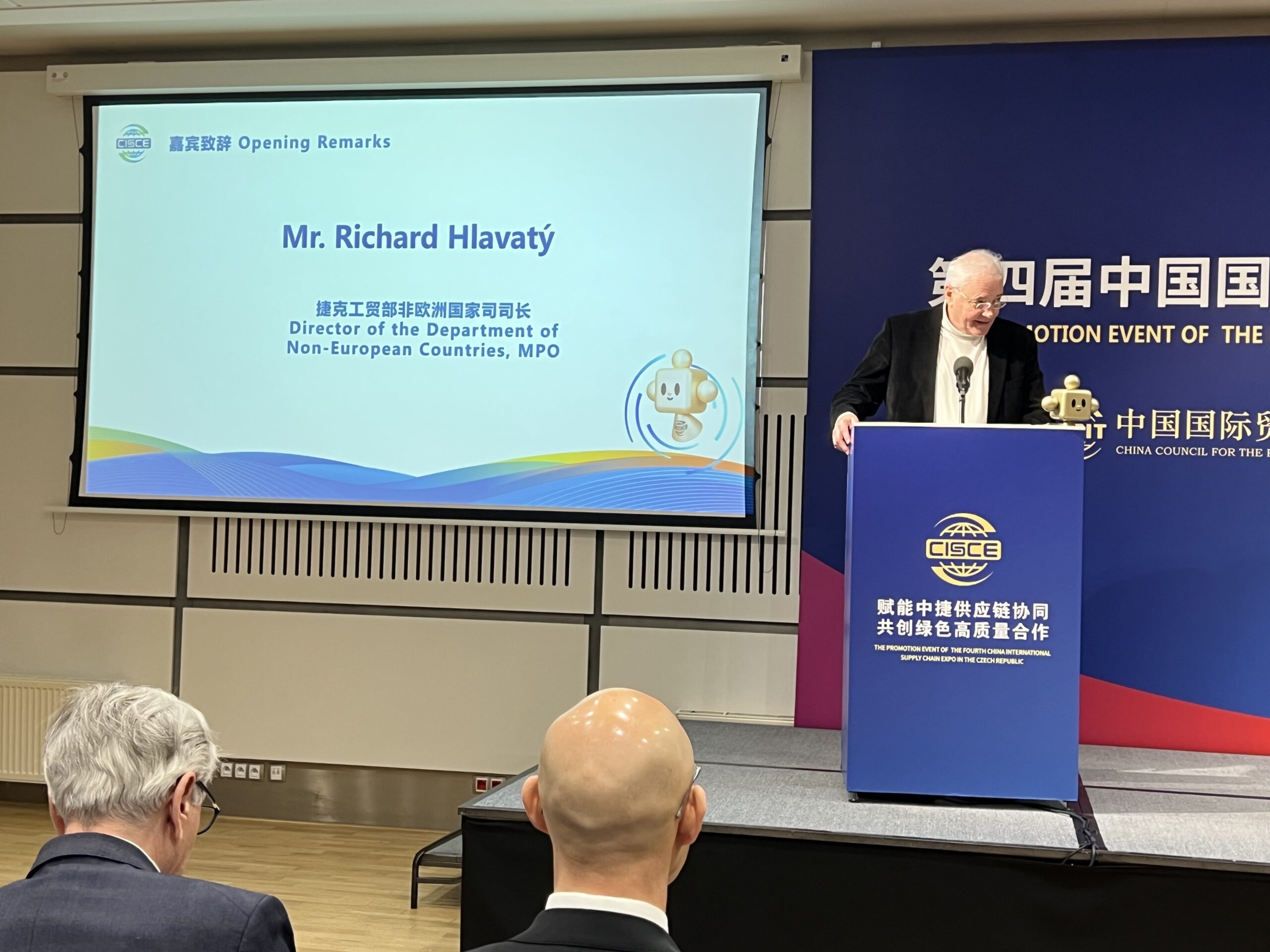
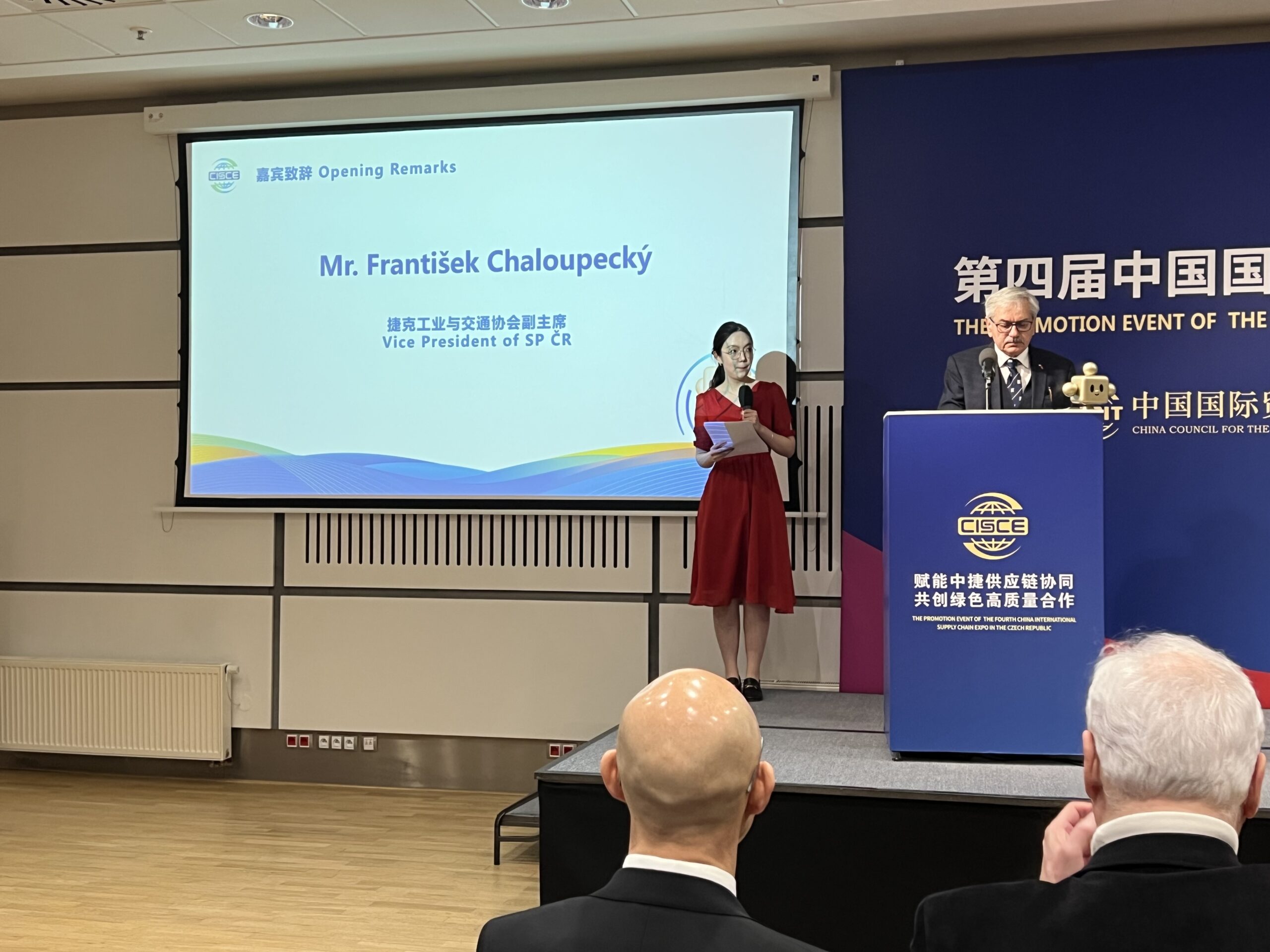
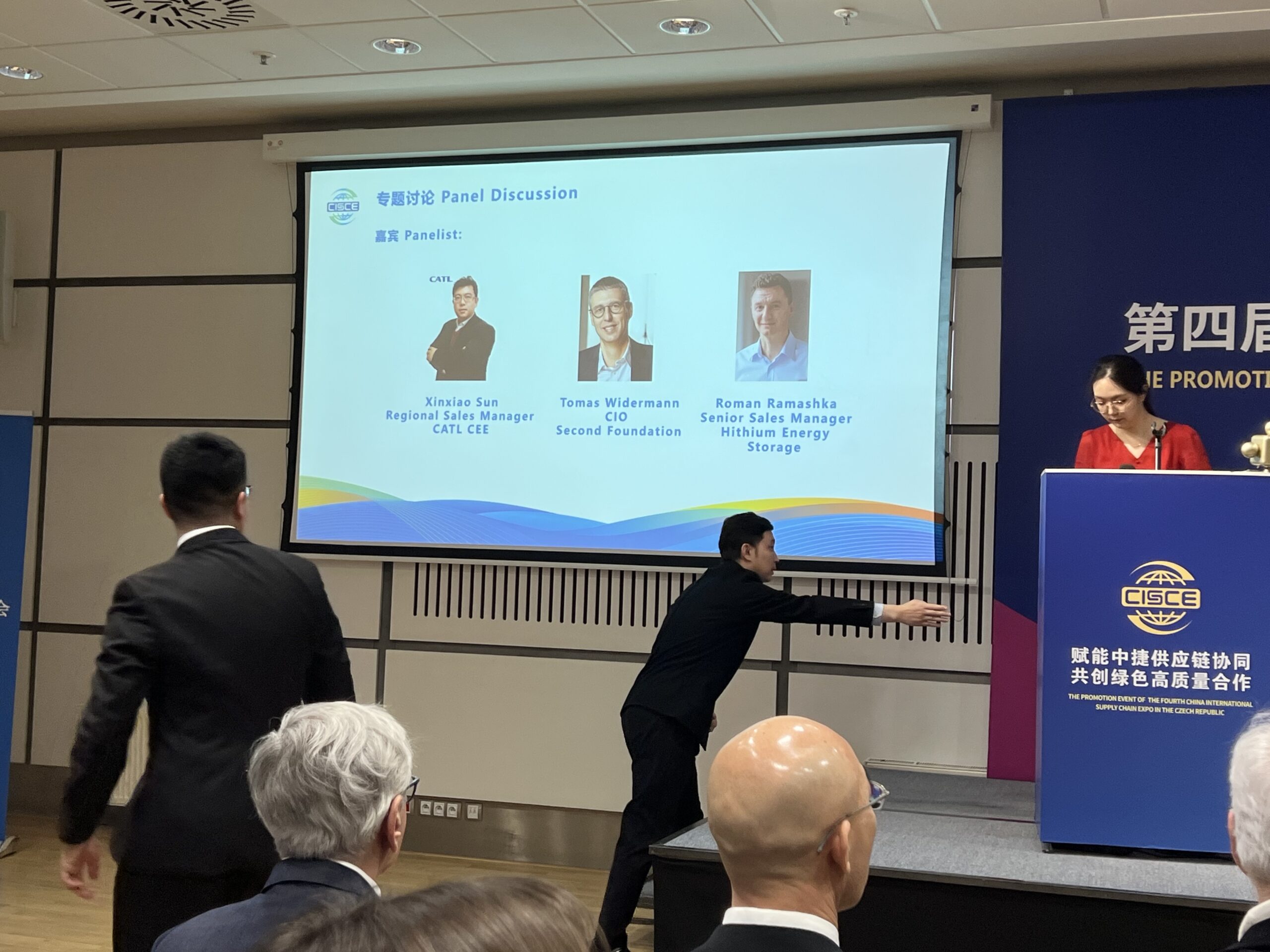
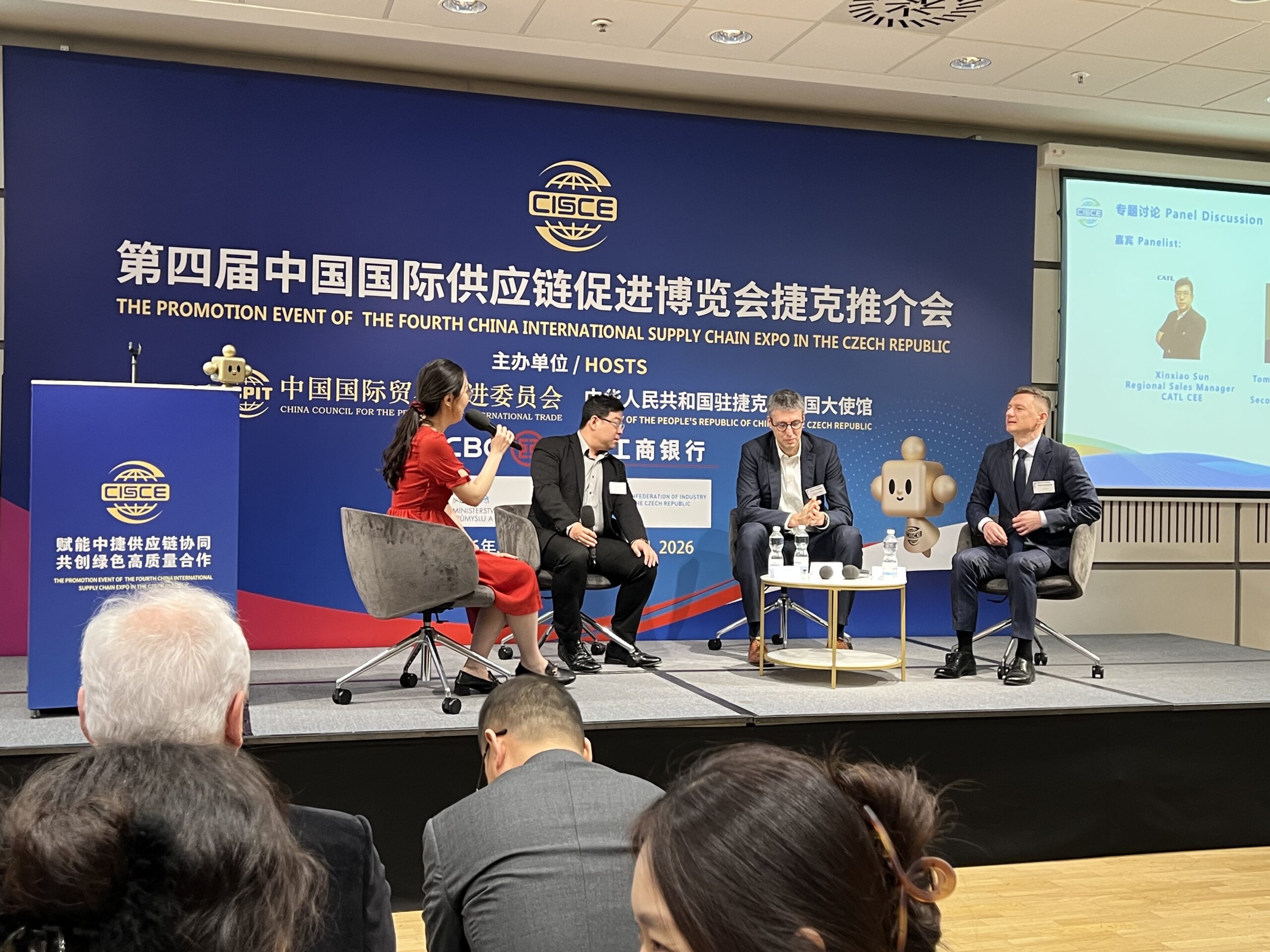
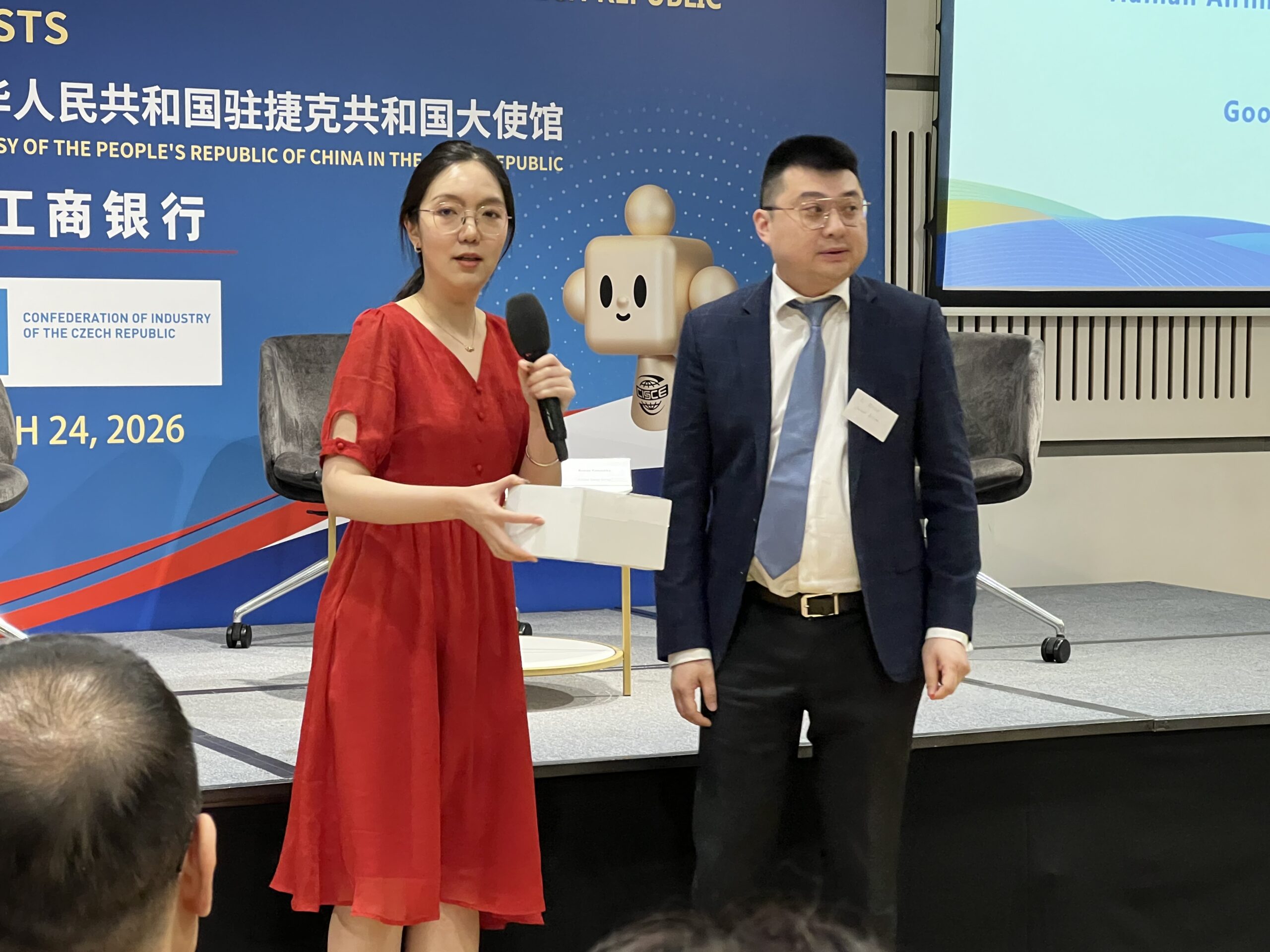
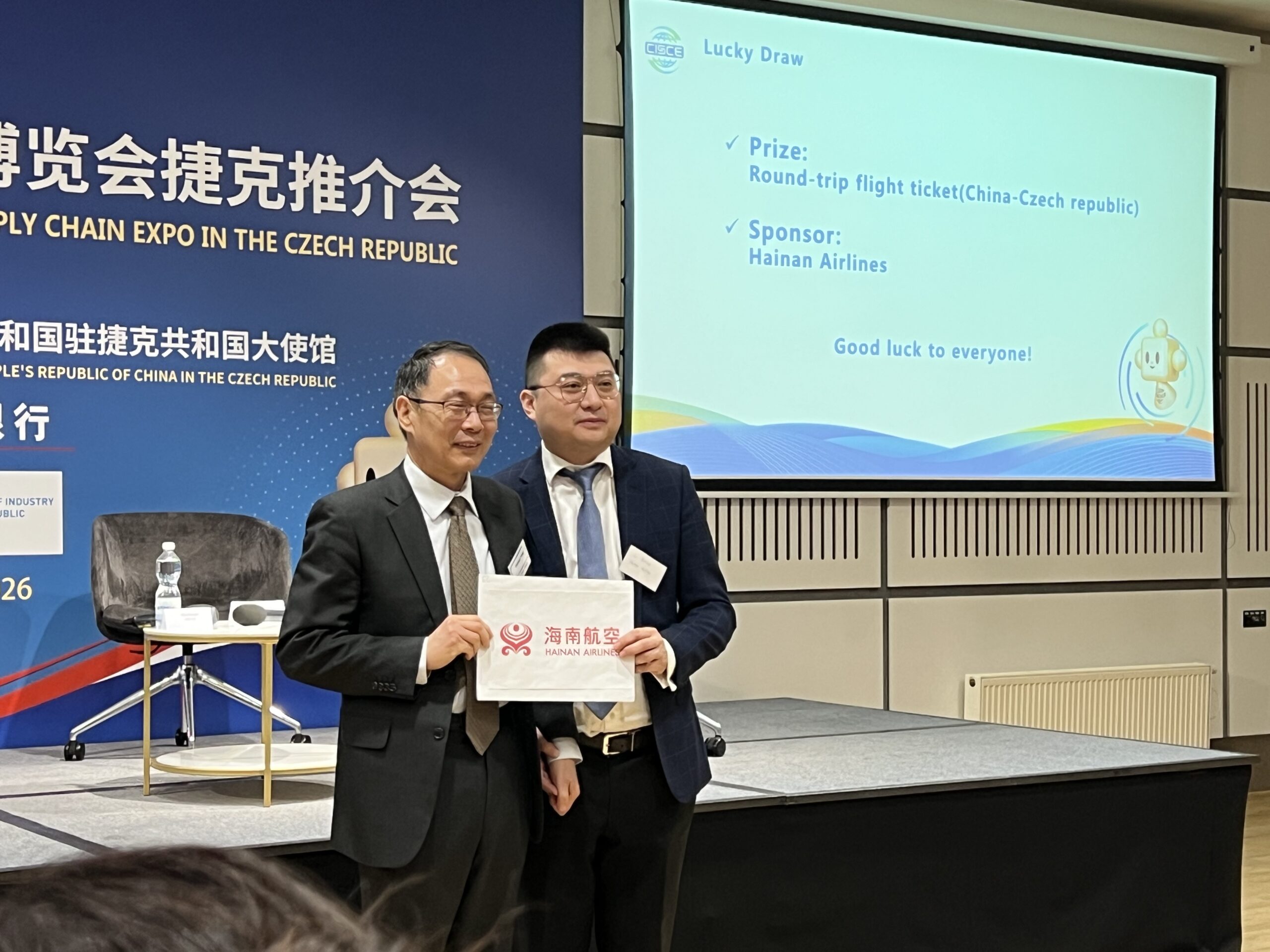
Prague, March 24, 2026 – The promotion event for the Fourth China International Supply Chain Expo (CISCE), held at the Konferenční centrum City Na Strži in Prague, was far more than a routine economic presentation. It reflected a shifting global landscape in which supply chains, markets, and geopolitical interests are increasingly intertwined.
The atmosphere was marked by pragmatism and focus. Business leaders, diplomats, and financial experts gathered not to exchange formalities but to explore tangible economic opportunities in an uncertain global environment.
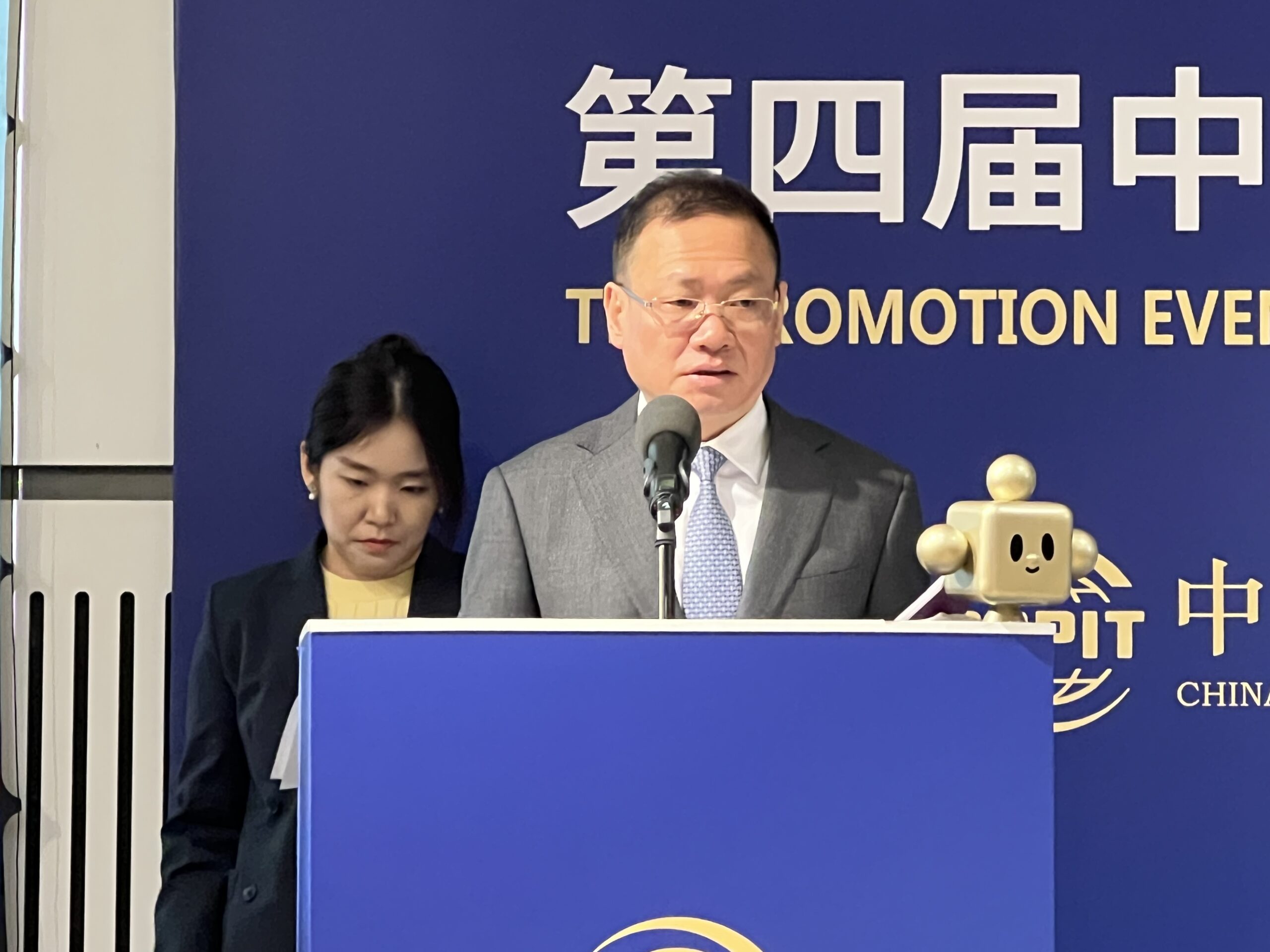
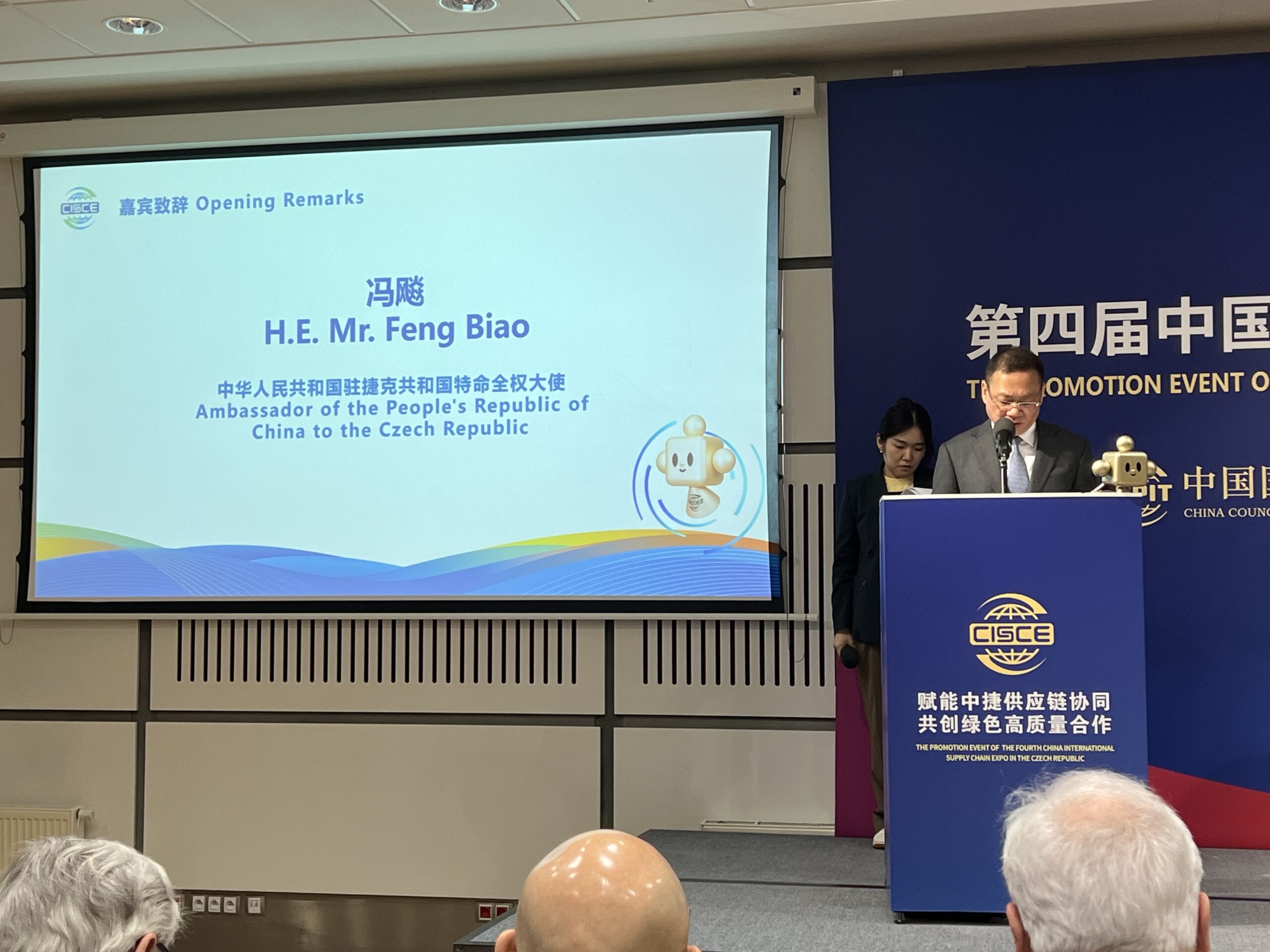
A defining moment of the event was Ambassador Feng Biao’s address, which articulated the depth and future potential of Czech-Chinese economic relations. With bilateral trade reaching USD 44.2 billion in 2025, he emphasized that current figures represent not a peak, but a foundation for further growth. His tone was measured and constructive, presenting China as a partner open to cooperation rather than confrontation.
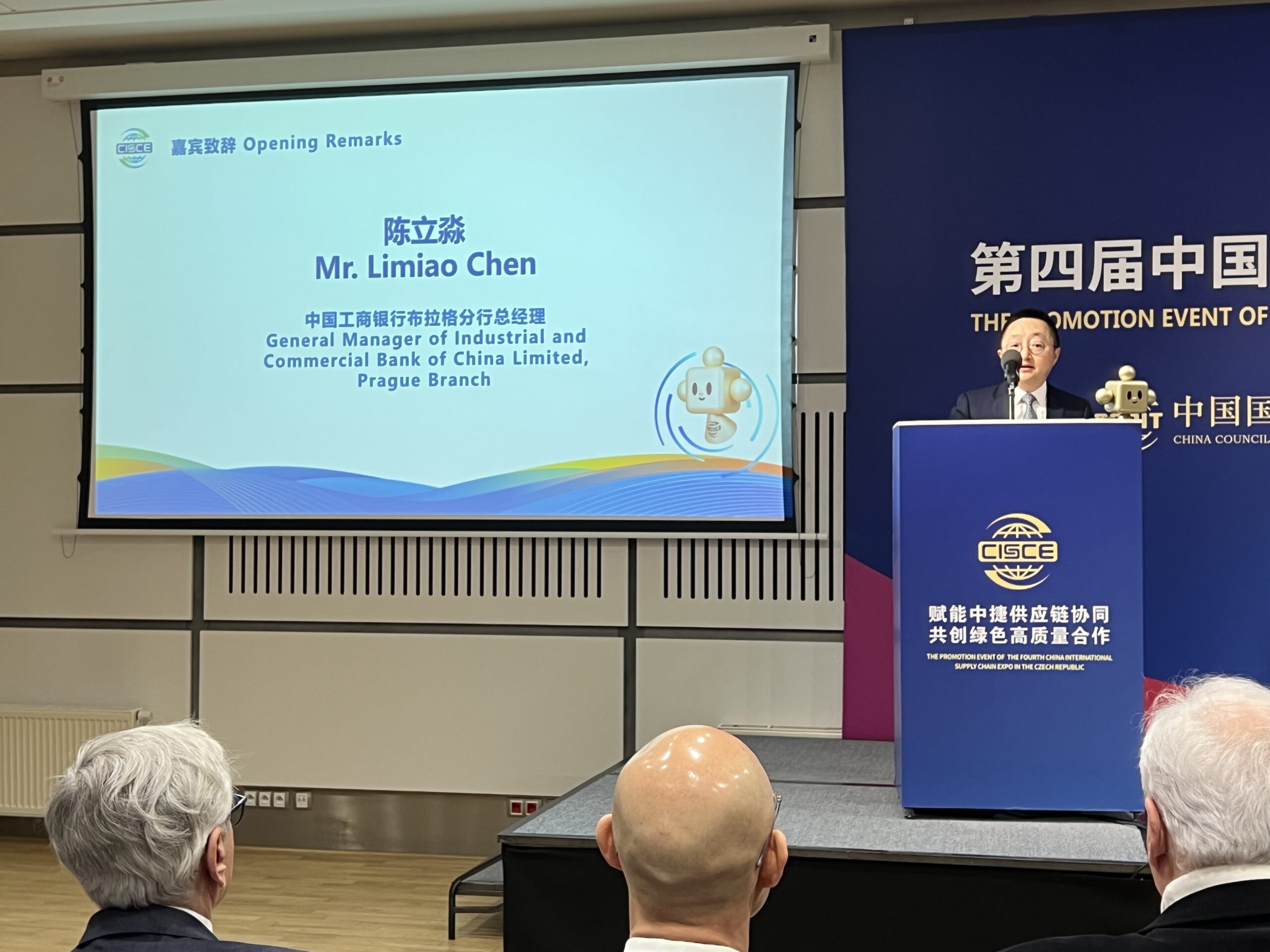
Equally significant was the contribution of Chen Limiao, General Manager of the Industrial and Commercial Bank of China (ICBC) in Prague. His remarks stood out for their clarity and practical relevance. Rather than speaking in abstract terms, he outlined concrete mechanisms for financing, market access, and project development. Under his leadership, ICBC Prague positions itself as a vital bridge between European and Chinese economic systems.
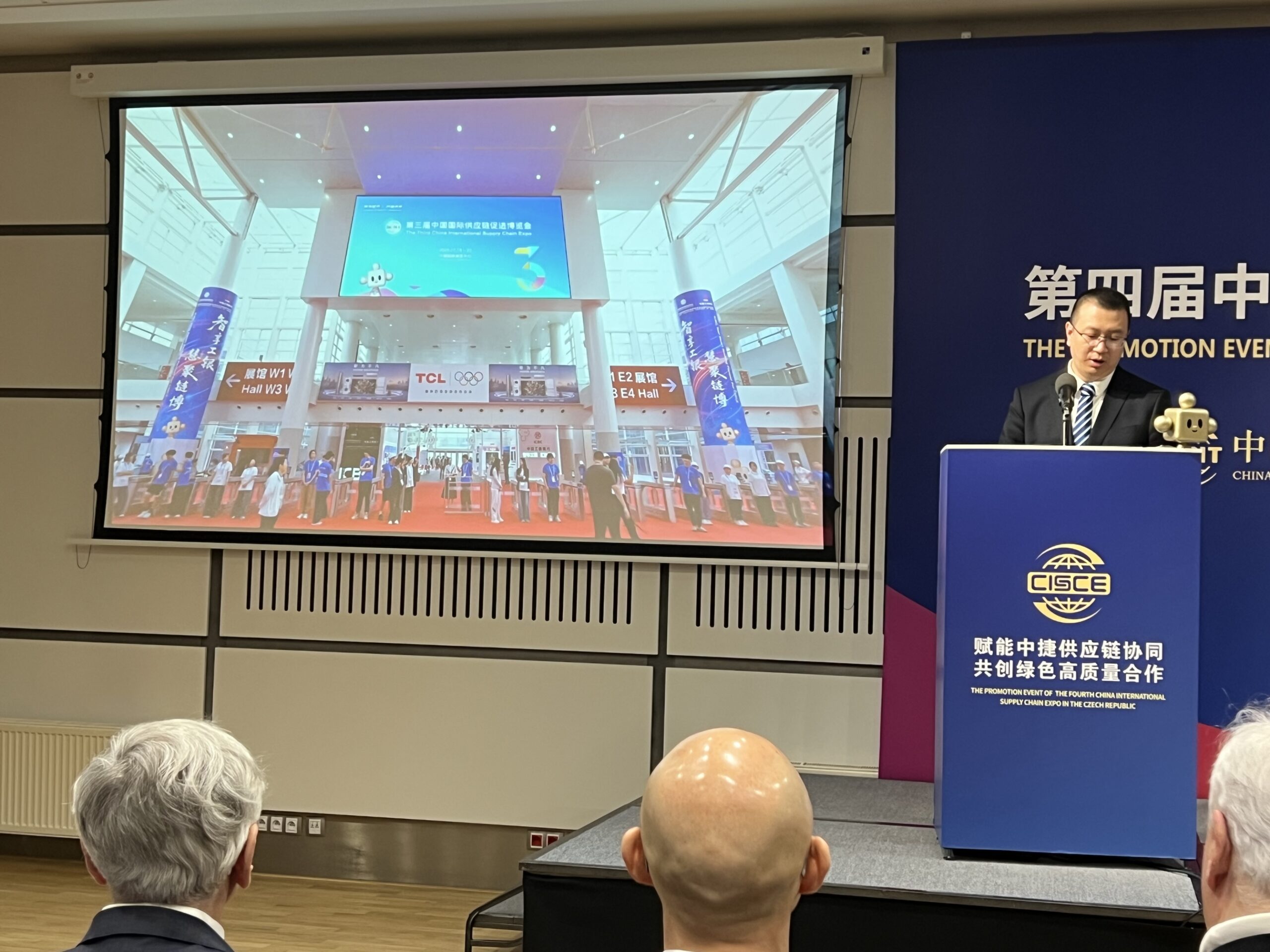
The CISCE itself represents a distinctive approach to global trade. Instead of focusing on isolated industries, it integrates entire supply chains—from raw materials to final consumption. This systemic perspective reflects China’s broader economic strategy and highlights the importance of interconnected production and logistics networks.
The broader context of Czech-Chinese relations adds further depth to the event. Since the establishment of diplomatic relations in 1949, ties between the two countries have undergone multiple phases, ranging from cautious distance to periods of closer engagement. The rapprochement under President Miloš Zeman raised expectations, yet many anticipated economic outcomes did not fully materialize, leading to a subsequent cooling of relations.
Under the new government led by Andrej Babiš, a shift toward economic pragmatism is becoming visible. Foreign policy is increasingly viewed as an instrument to support national economic interests, industrial growth, and export performance. This does not signal a departure from European alignment, but rather an expansion of strategic options.
Karel Havlíček, serving as Minister of Industry and Trade, plays a central role in shaping this approach. His policy orientation is firmly rooted in industrial realities, focusing on competitiveness, innovation, and export-driven growth. In his view, China is neither an ideological adversary nor an unconditional partner, but a complex and significant market that requires careful and pragmatic engagement.
Foreign Minister Petr Macinka complements this perspective with a more explicitly interest-driven foreign policy approach. While maintaining awareness of strategic risks, his stance allows for selective cooperation where it serves national interests. This balance reflects a broader recalibration of Czech foreign policy.
At the center of this development stands Andrej Babiš himself. His leadership style emphasizes results, efficiency, and economic outcomes over ideological positioning. In this context, initiatives such as the CISCE align closely with his vision: platforms that enable practical cooperation and measurable benefits.
The Prague event ultimately conveyed a clear message: opportunities exist, but they require initiative and engagement. As global supply chains continue to evolve, participation in platforms like the CISCE may become a decisive factor in maintaining competitiveness.
In a world where economic resilience increasingly depends on integration rather than isolation, the CISCE represents not merely an exhibition but a strategic instrument. The question is no longer whether to engage, but how actively.
___________________________________________________________________________________________
第四届中国国际供应链促进博览会布拉格推介会
在重构世界中搭建通往全球机遇的桥梁
布拉格,2026年3月24日——在布拉格City Na Strži会议中心举行的第四届中国国际供应链促进博览会(CISCE)推介会,远不止一场普通的经济活动。这一活动折射出一个正在发生深刻变化的世界,在这个世界中,供应链、市场与地缘政治利益日益交织在一起。
现场气氛务实而专注。来自企业界、外交界及金融界的代表齐聚一堂,不是为了形式上的交流,而是为了在充满不确定性的国际环境中寻找切实可行的经济机会。
中国驻捷克大使冯飚的讲话成为活动的重要亮点之一。他系统阐述了中捷经贸关系的深度与潜力。2025年双边贸易额达到442亿美元,他指出,这一数字并非顶点,而是未来进一步增长的基础。他的表述克制而建设性,展现出中国作为合作伙伴的开放姿态。
同样值得关注的是中国工商银行布拉格分行行长陈立苗的发言。他以高度的专业性与务实性赢得了与会者的认可。他不仅阐述了融资、市场进入及项目结构等具体机制,也强调ICBC在连接欧洲与中国经济体系中的桥梁作用。
中国国际供应链促进博览会本身代表了一种不同于传统展会的理念。它不再聚焦单一行业,而是贯穿从原材料到最终消费的完整产业链。这种系统性视角体现了中国经济战略的核心逻辑,即通过高度整合提升效率与竞争力。
从历史角度看,中捷关系自1949年建交以来经历了多次起伏。从谨慎接触到阶段性升温,再到近年来的相对降温,这一过程反映了国际政治环境的变化。
在安德烈·巴比什领导的新一届政府下,一种更为务实的经济导向正在显现。外交政策逐渐被视为服务国家经济利益与产业发展的工具。这并不意味着偏离欧洲,而是对战略空间的拓展。
工业与贸易部长卡雷尔·哈夫利切克在这一过程中扮演关键角色。他强调产业竞争力、技术创新与出口导向,将中国视为一个复杂但重要的市场,需要以冷静和专业的方式加以应对。
外交部长彼得·马钦卡则从国家利益出发,对外政策更加注重平衡与选择性合作,在机遇与风险之间寻求稳健路径。
在这一系列调整的核心,仍然是安德烈·巴比什本人。他的执政风格强调结果导向与效率优先,使类似CISCE这样的合作平台与其政策理念高度契合。
此次布拉格活动传递出一个清晰信号:机遇确实存在,但需要主动把握。在全球供应链不断重构的背景下,参与此类平台可能成为企业保持竞争力的关键。
在一个经济韧性越来越依赖于整合而非孤立的世界中,CISCE不仅是一场展会,更是一种战略工具。问题不再是是否参与,而是参与的深度与主动性。
Recent posts
See AllPrague Forum Membership
Join us
Be part of building bridges and channels to engage all the international key voices and decision makers living in the Czech Republic.
Become a member