- Hans Weber
- October 8, 2026
Victory Day in Prague: Türkiye Celebrates a Defining Moment of National Independence
Article by Hans Weber
Ambassador Metin Feyzioğlu Welcomes Diplomats, Military Attachés and Czech Industry Leaders to the Turkish Embassy
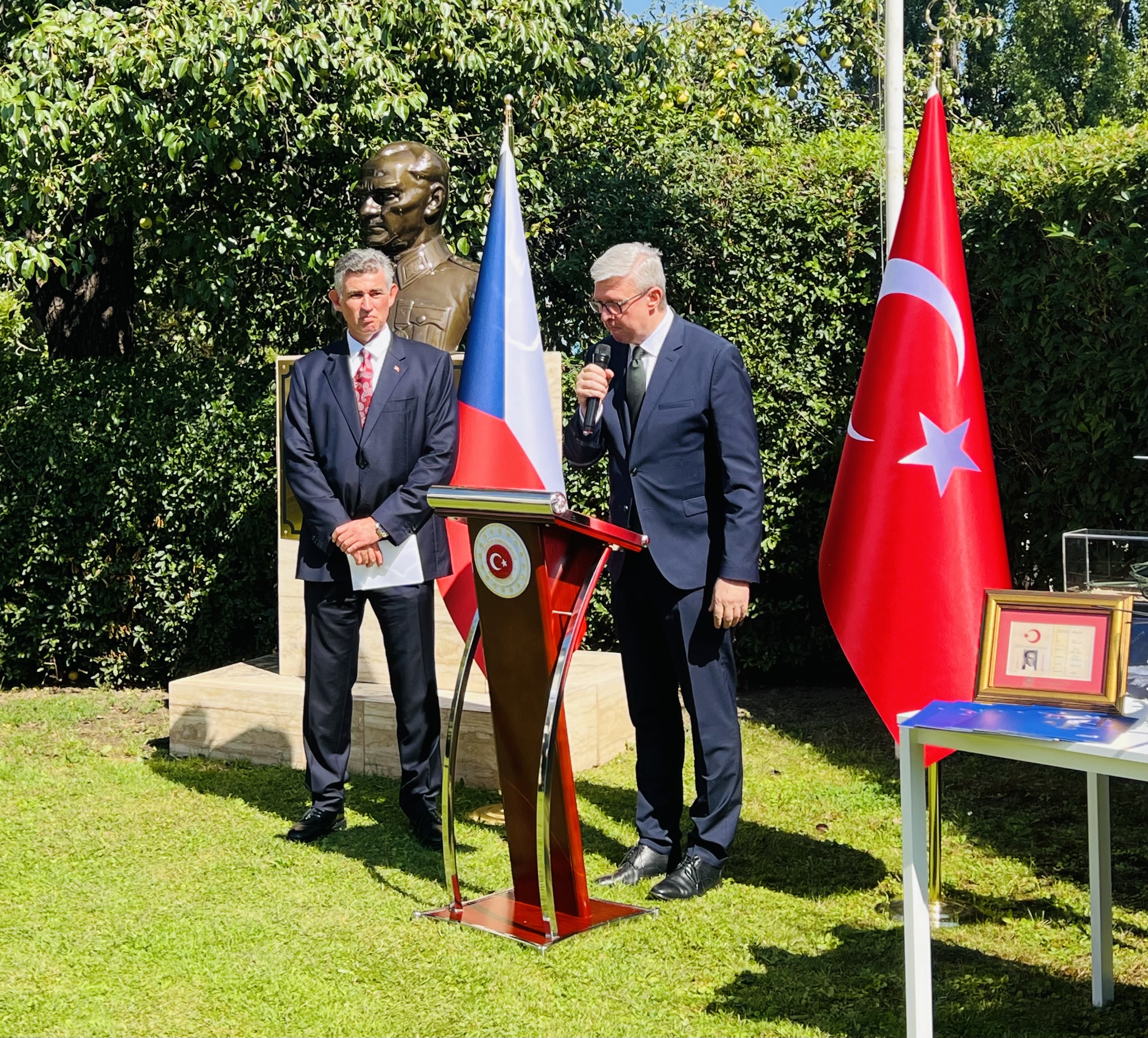
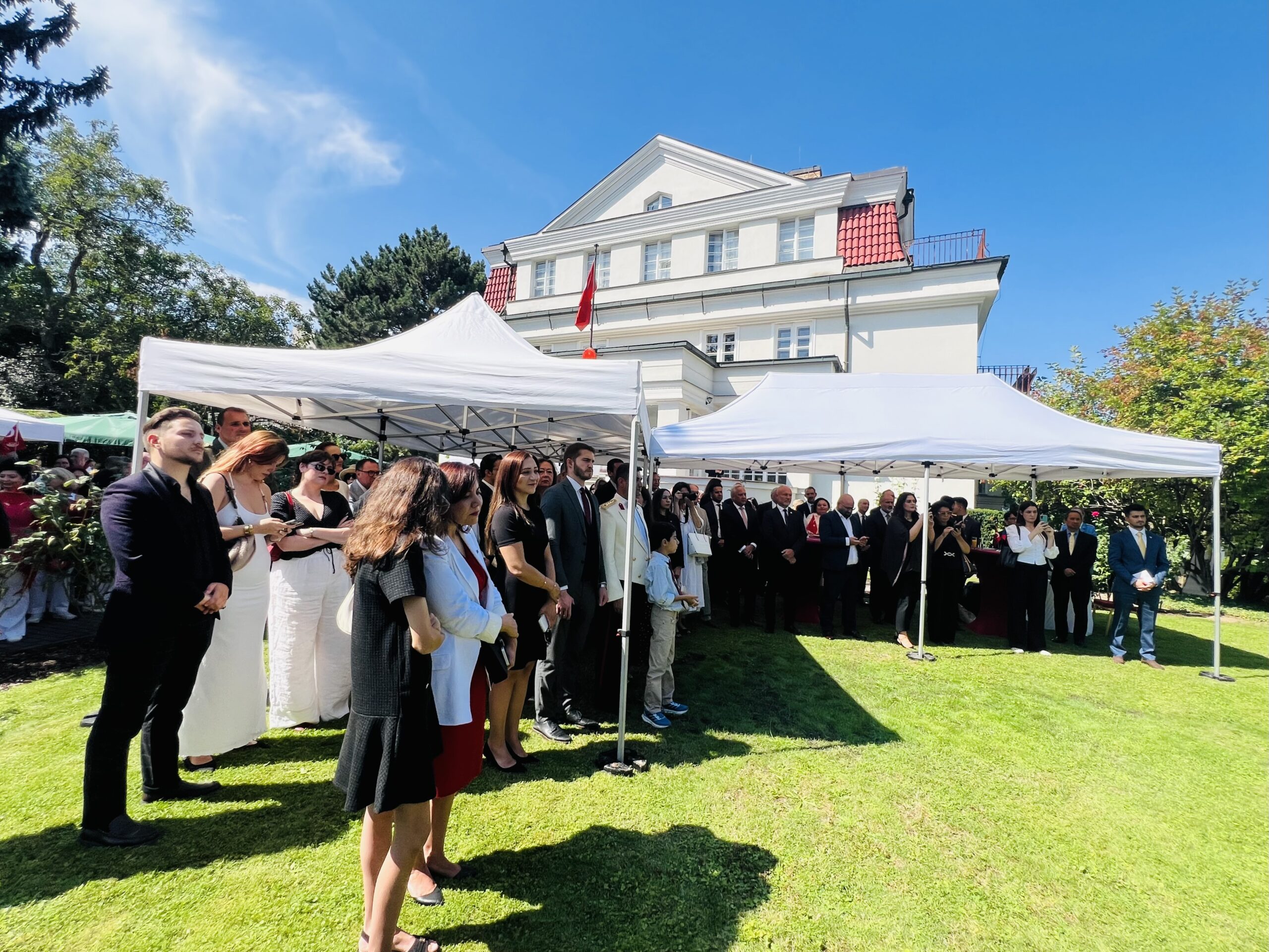
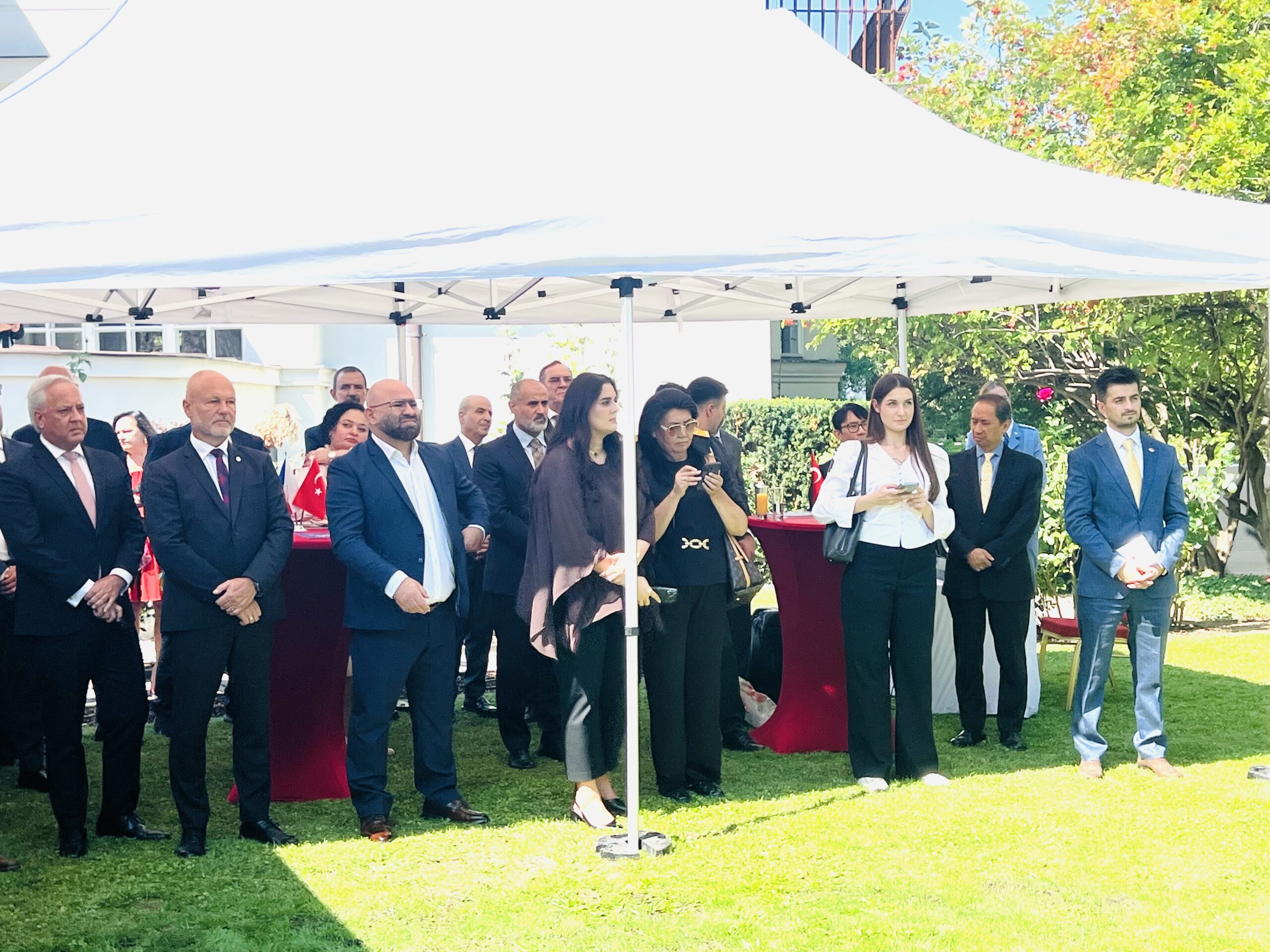
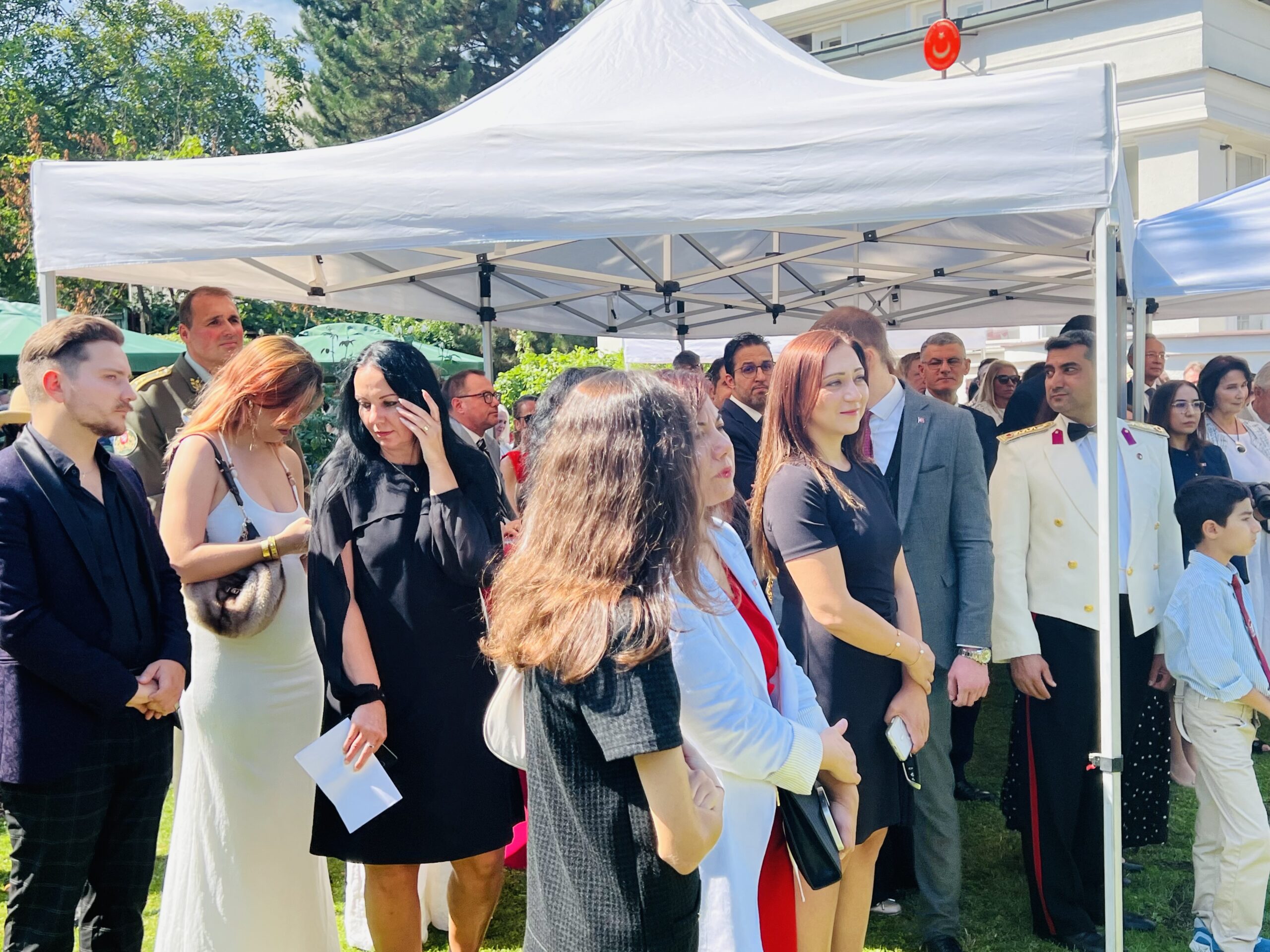
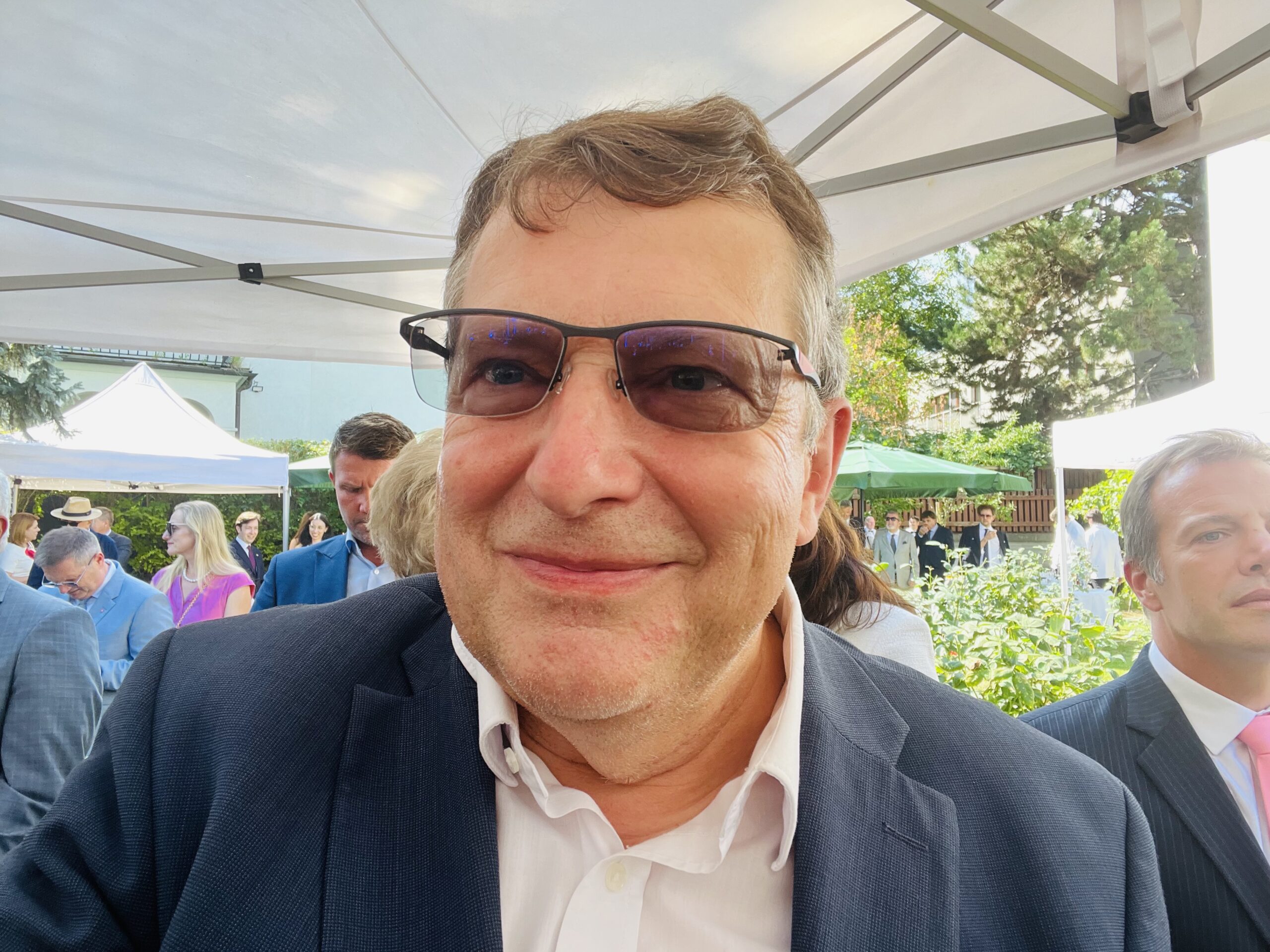
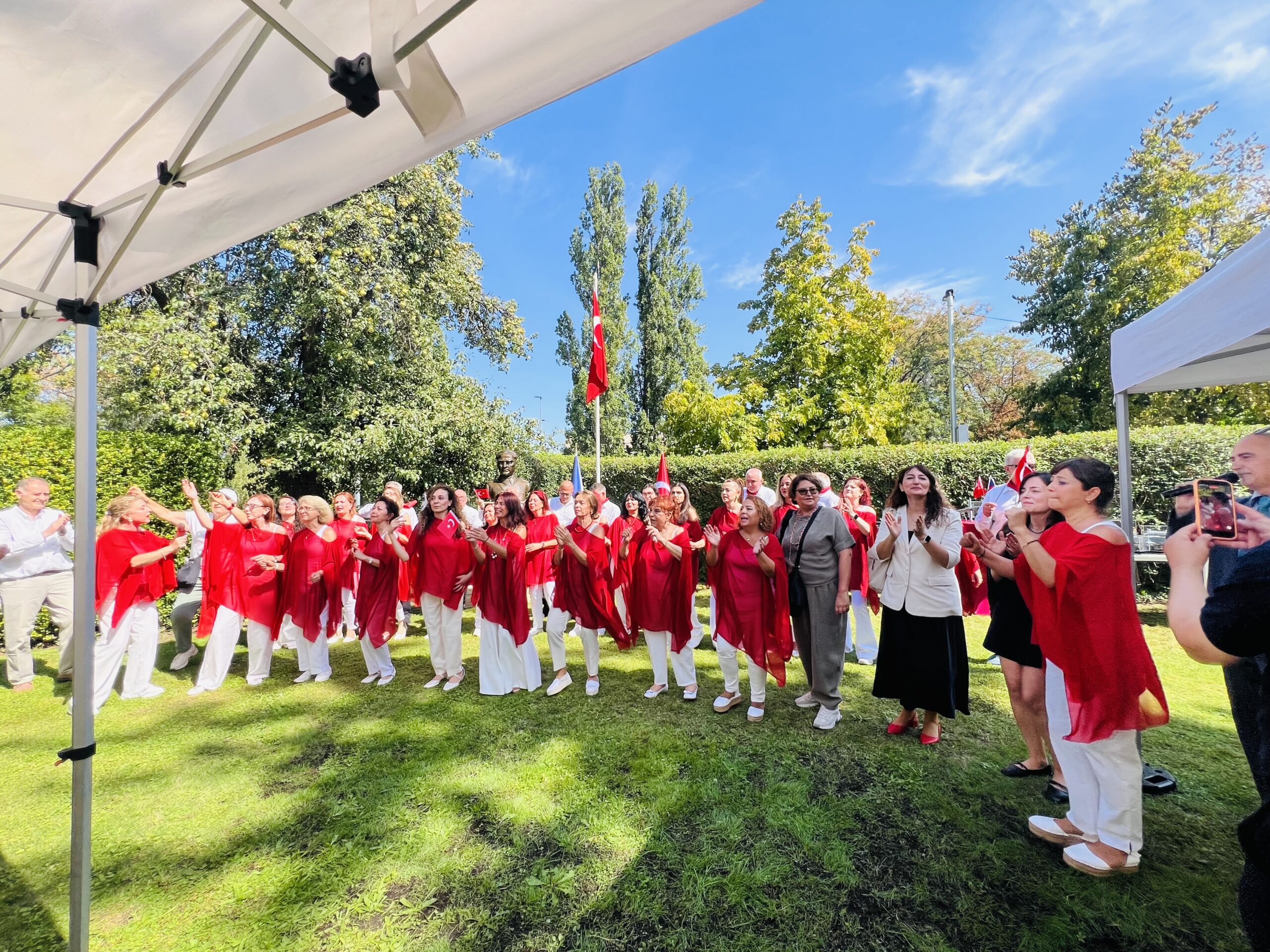
On 27 August 2026, the Embassy of the Republic of Türkiye in Prague hosted one of the most well-attended diplomatic and military receptions of the late summer season.
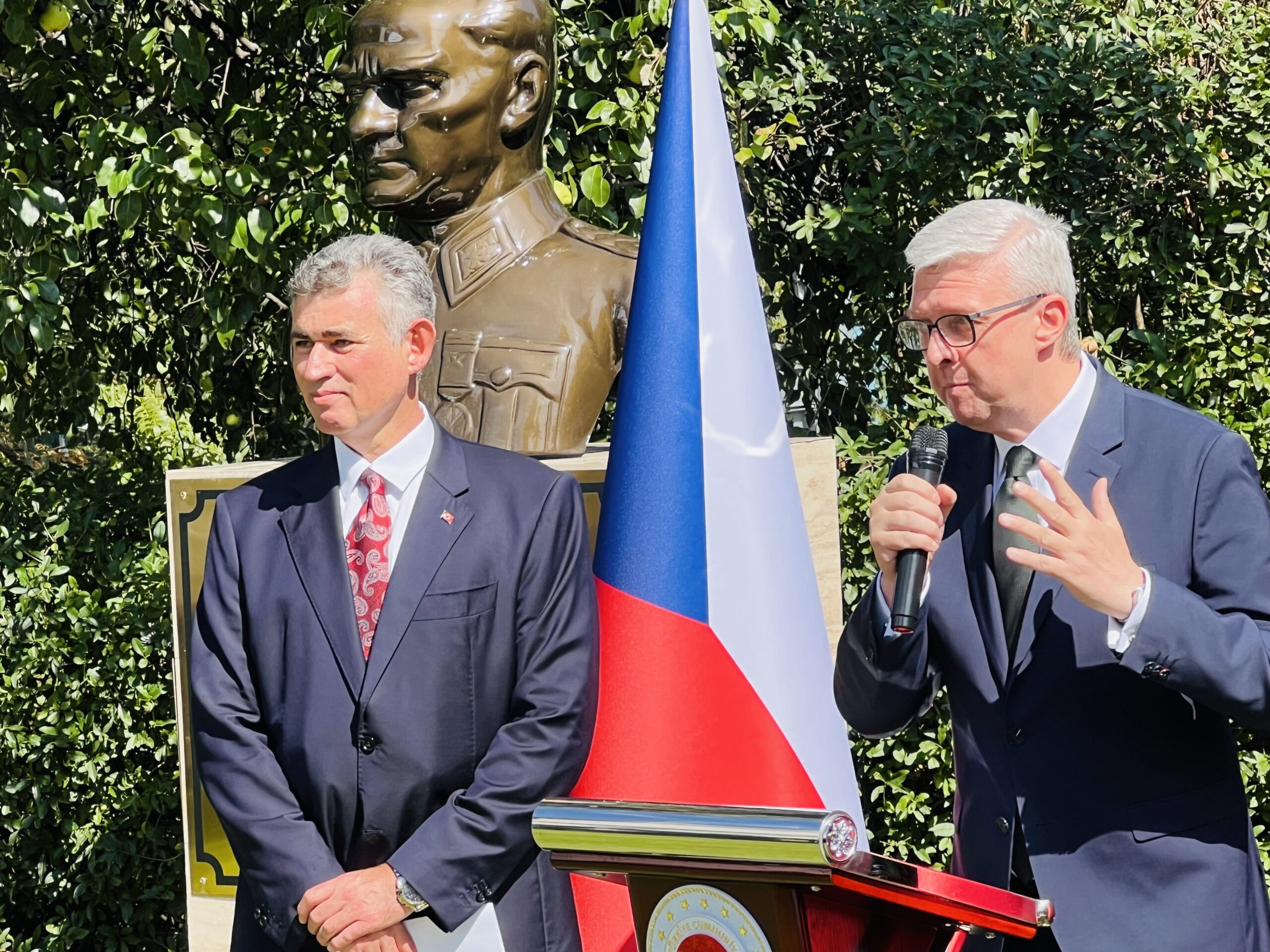
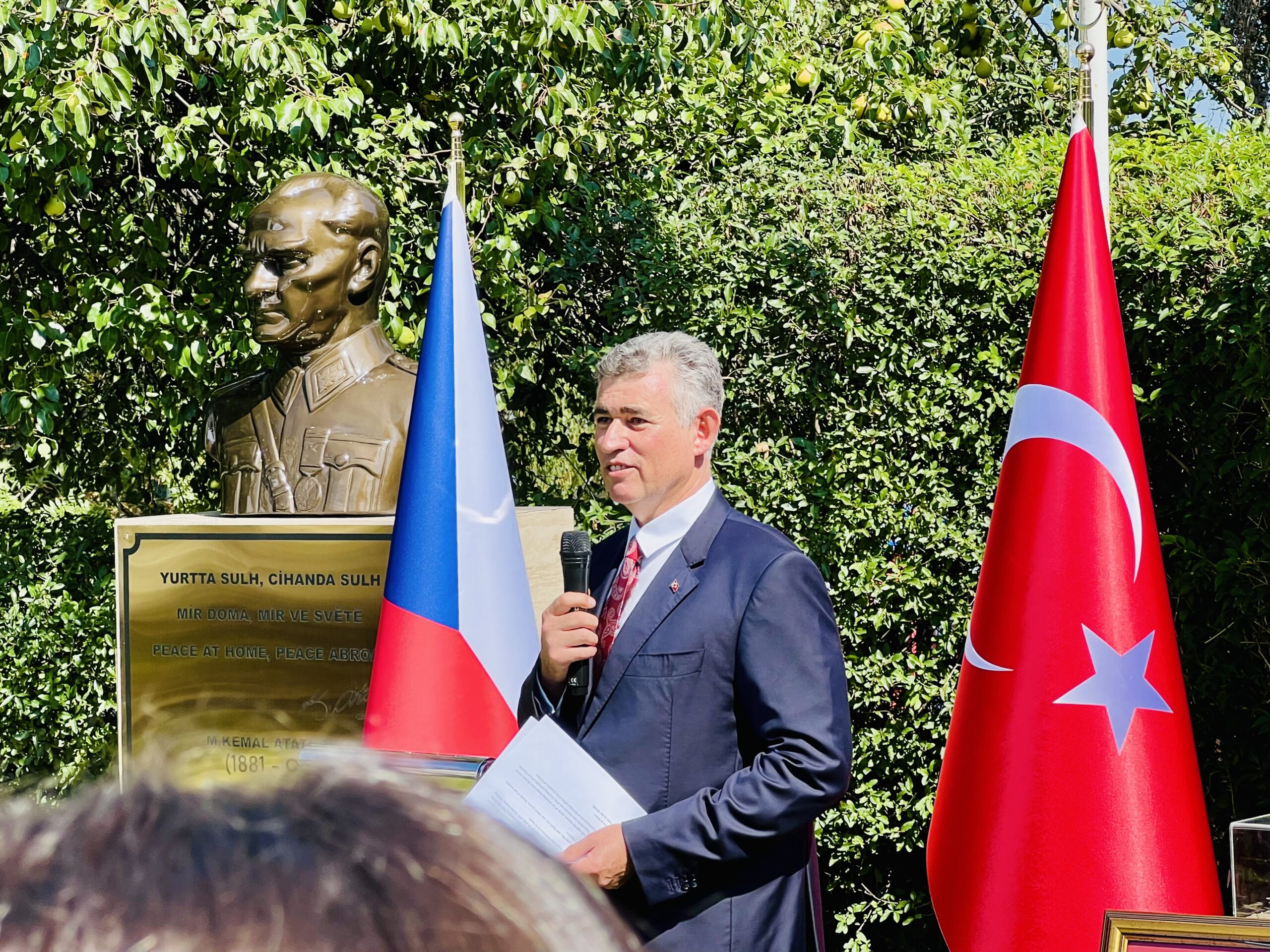
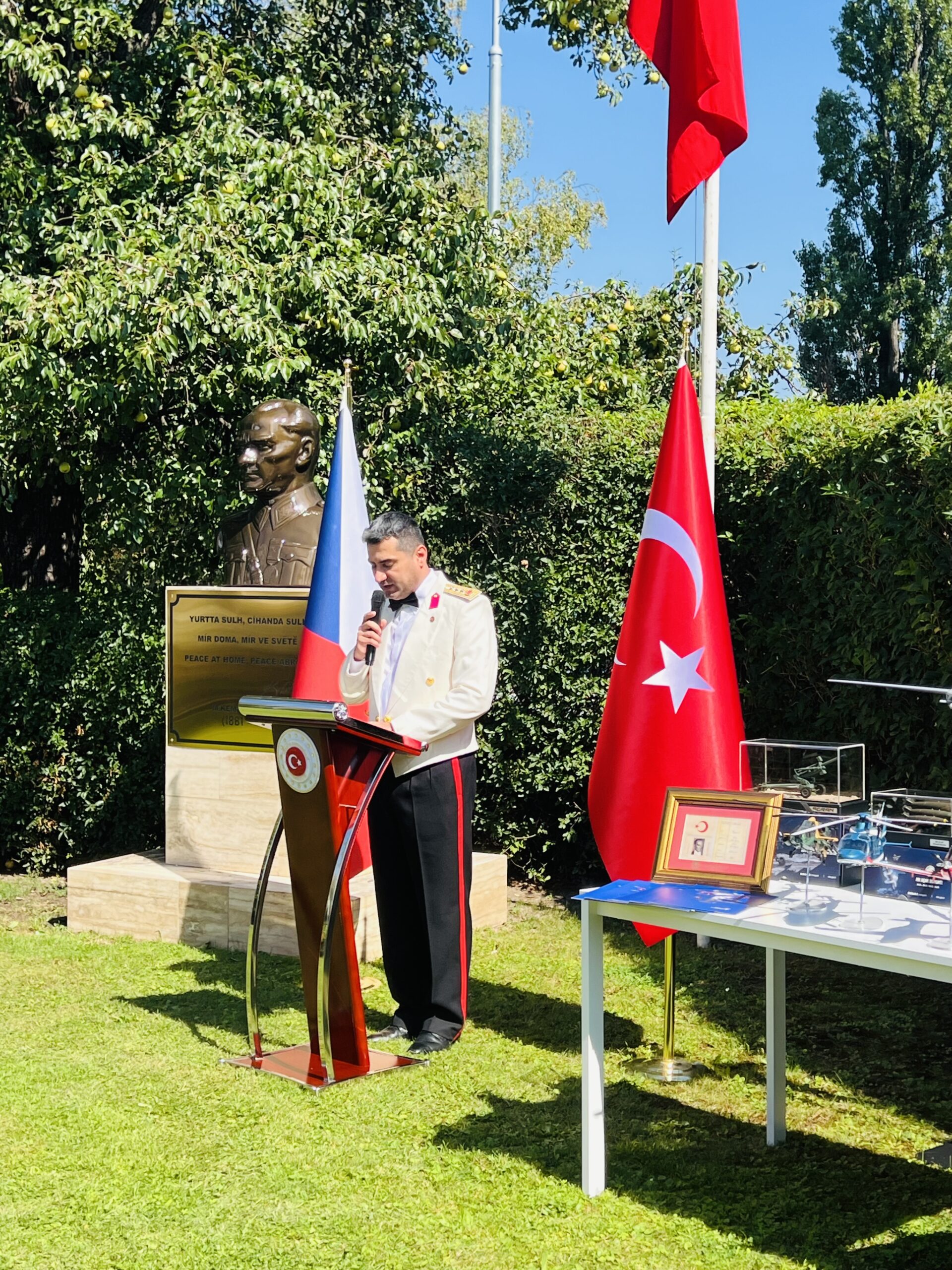
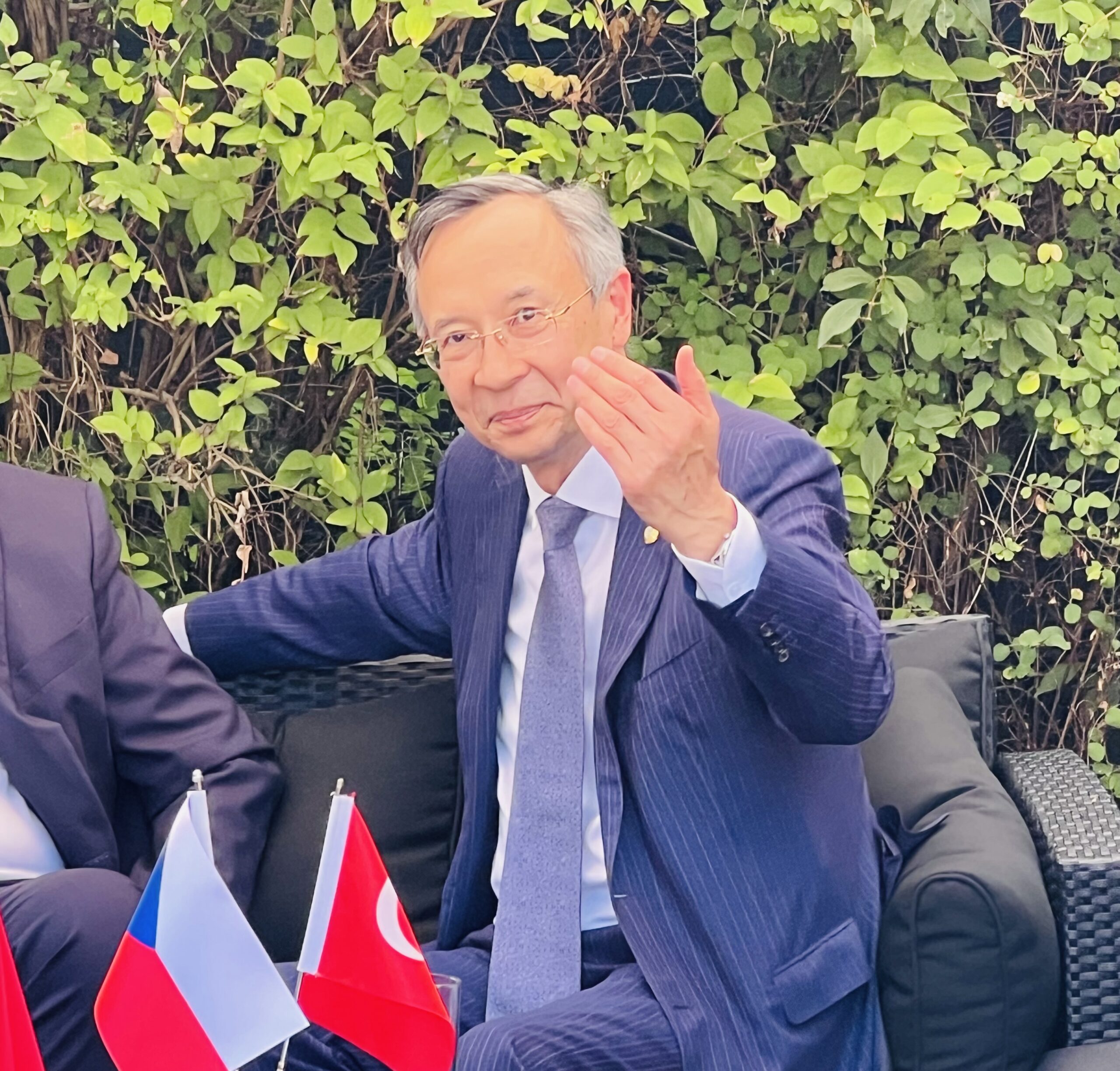
H.E. Metin Feyzioğlu, Ambassador of the Republic of Türkiye to the Czech Republic, together with Colonel Cem Tekin, Military Attaché of the Turkish Embassy, welcomed an exceptionally large number of ambassadors, military attachés, diplomats, representatives of the Czech government and leading figures from business and industry to commemorate 30 August Victory Day – Zafer Bayramı.
Despite the event taking place during the final days of the traditional European summer holiday period, Prague’s diplomatic community responded remarkably. Ambassadors from numerous countries attended, accompanied by an unusually strong representation of military and defense attachés.
That was entirely appropriate for an anniversary inseparable from the history of the Turkish armed forces and the foundation of the modern Turkish state.
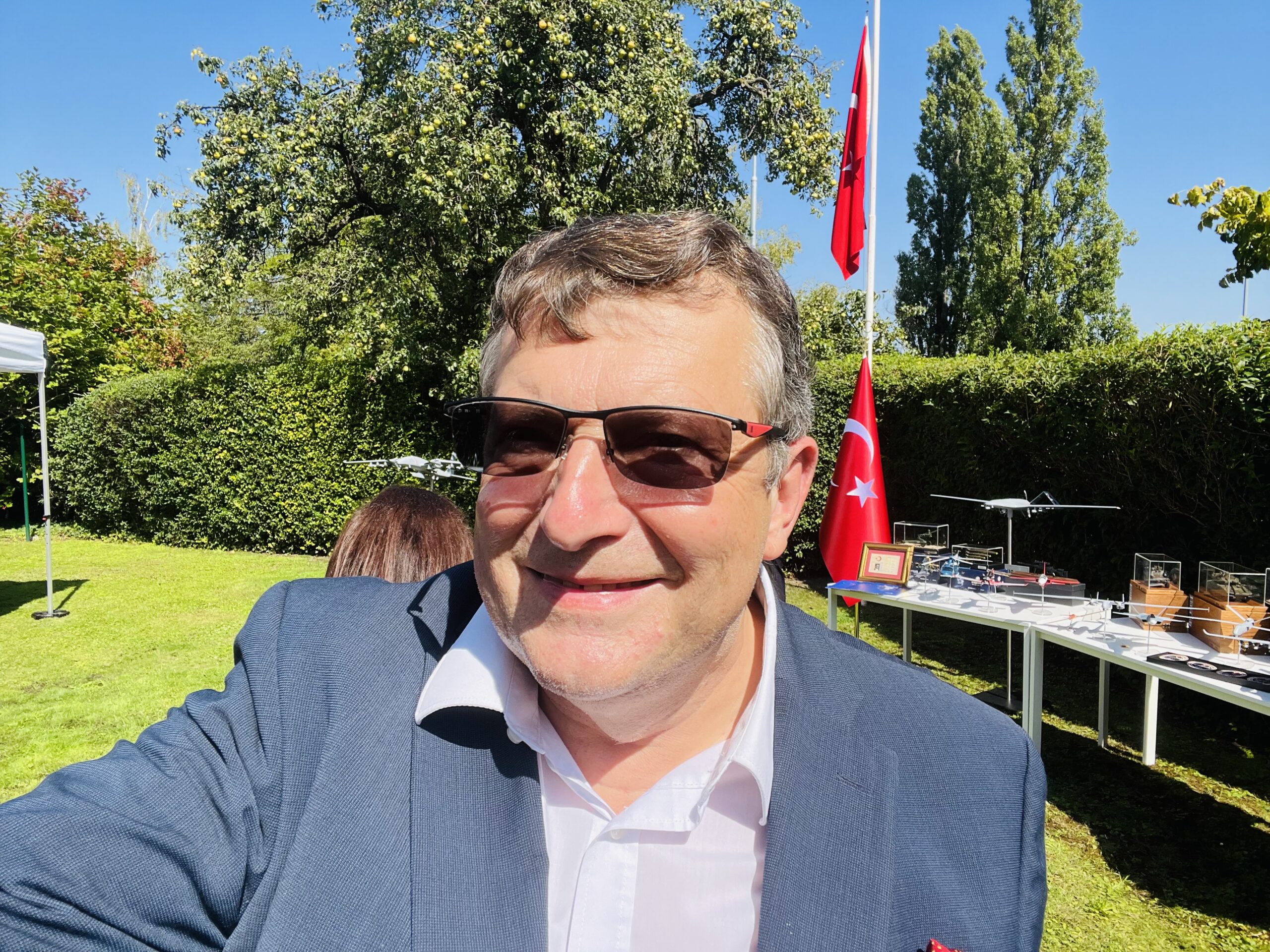
The reception also had a particularly strong economic dimension. Representatives of Czech industry – and especially the Czech defense and security sector – were present in considerable numbers, while Turkish companies and institutions presented examples of Türkiye’s rapidly expanding defense-industrial capabilities.
The Guest of Honor was H.E. Karel Havlíček, First Deputy Prime Minister and Minister of Industry and Trade of the Czech Republic, whose participation highlighted the growing importance of industrial, technological and defense cooperation between Czechia and Türkiye.
Formal addresses were delivered by Colonel Cem Tekin, Ambassador Metin Feyzioğlu and Karel Havlíček.
Their presence together symbolized the three dimensions that characterized the evening: history and defense, diplomacy, and economic cooperation.
Why 30 August Matters So Deeply to Türkiye
For visitors unfamiliar with Turkish history, Victory Day can be understood as more than the anniversary of a military battle.
It commemorates the decisive victory of the Turkish national forces in the Battle of Dumlupınar on 30 August 1922, also known as the Battle of the Commander-in-Chief (Başkomutanlık Meydan Muharebesi).
The battle formed the decisive culmination of the Great Offensive – Büyük Taarruz, launched by the Turkish army on the morning of 26 August 1922 under the supreme command of Mustafa Kemal Pasha, later known as Mustafa Kemal Atatürk.
Turkish Ministry of National Defense records place the beginning of the offensive at 05:30 on 26 August. After several days of intense fighting, the main Greek forces were encircled and decisively defeated at Dumlupınar on 30 August.
The importance of that victory can only be understood against the background of what had happened to the Ottoman Empire after the First World War.
After the empire’s defeat, Allied forces occupied large areas of Anatolia. Greek troops landed at İzmir in May 1919 and advanced deep into western Anatolia.
At the same time, the Treaty of Sèvres (1920) envisaged a drastic partition of Ottoman territory.
The Turkish National Movement under Mustafa Kemal rejected that settlement and established a new political center in Ankara around the Grand National Assembly of Türkiye.
What followed was the Turkish War of Independence.
By 1921, Turkish forces had halted the Greek advance at the Battle of Sakarya. The strategic initiative gradually shifted.
The following year, Mustafa Kemal and the Turkish military leadership prepared a final offensive intended not merely to push the opposing army backward, but to achieve a decisive military result.
The Great Offensive
Preparations were conducted with extraordinary secrecy.
By mid-1922, Mustafa Kemal had decided that the army would move onto the offensive once preparations were complete.
The operation began from the Afyon-Kocatepe area early on 26 August.
Turkish forces rapidly broke through fortified positions. Afyon was retaken on 27 August, and over the following days the Greek formations were increasingly encircled.
On 30 August the operation reached its decisive phase around Dumlupınar.
According to the Turkish Ministry of National Defense, the main part of the opposing army was surrounded and either destroyed or captured in a battle personally directed by Mustafa Kemal from the command area around Zafertepe.
The military consequences were immediate.
The remaining Greek forces began a rapid withdrawal towards the Aegean coast.
On 1 September, Mustafa Kemal issued the famous order to the army to continue advancing towards the Mediterranean.
İzmir was retaken on 9 September 1922, bringing the major military phase of the campaign in western Anatolia to an end.
The victory at Dumlupınar therefore did not merely win a battlefield.
It fundamentally changed the political situation.
From Military Victory to a New Republic
The victory removed the military foundation on which attempts to impose the post-war settlement on the Turkish National Movement had depended.
Diplomacy now replaced battlefield confrontation.
The subsequent negotiations culminated in the Treaty of Lausanne, signed on 24 July 1923, which internationally recognised the sovereignty of the new Turkish state within essentially its modern borders.
Only a few months later, on 29 October 1923, the Republic of Türkiye was proclaimed.
For that reason, Victory Day occupies an unusual place in the Turkish national calendar.
Republic Day celebrates the formal establishment of the Republic.
Victory Day commemorates the decisive military success that helped make that republic possible.
Official Turkish accounts therefore consistently describe 30 August not only as a battlefield victory but as a crucial foundation of Turkish sovereignty and independence.
When Did Victory Day Become an Official Celebration?
The memory of 30 August began to be formally commemorated in the early years of the Republic.
The first major anniversary ceremony was held at Zafertepe in 1924, two years after the battle, with Mustafa Kemal himself present at the site from which he had commanded the decisive engagement.
In the early republican years, the date was celebrated as “30 August Victory and Aviation Day.”
Over time it developed into the modern 30 Ağustos Zafer Bayramı – 30 August Victory Day, which is today a national holiday and simultaneously closely associated with Turkish Armed Forces Day.
Ceremonies are held throughout Türkiye and at Turkish diplomatic and military missions abroad.
The commemoration traditionally honors Mustafa Kemal Atatürk, his comrades-in-arms, veterans and those who lost their lives in the struggle for independence.
More Than a Historical Memory
The importance attached to the date in contemporary Türkiye is therefore easy to understand.
Victory Day embodies several themes deeply rooted in Turkish national identity: independence, sovereignty, national unity, military resilience and the birth of the Republic.
The events of August 1922 are seen as proof that a state facing extremely difficult political and military circumstances was able to determine its own future.
That interpretation remains central to official commemorations today.
For the Turkish armed forces, the anniversary naturally has an additional meaning.
It represents one of the defining victories in modern Turkish military history.
This explains why military attachés form such a prominent part of Victory Day celebrations abroad – and why the attendance in Prague of military representatives from so many countries was particularly fitting.
Colonel Altay Ayhan and the Military Dimension
Colonel Altay Ayhan, Military Attaché of the Republic of Türkiye, jointly shaped the reception in Prague.
The Turkish Embassy maintains a dedicated Office of the Military Attaché in Prague, reflecting the extensive defence relationship that exists between Türkiye and Czechia as NATO allies.
In the context of Victory Day, the Military Attaché’s role carries special symbolism.
The anniversary is not an abstract historical commemoration. It recalls a military operation whose success fundamentally altered the course of Turkish history.
At the same time, the military presence at the Prague reception connected that historical memory with present-day security cooperation.
Türkiye today possesses one of NATO’s largest armed forces and occupies a strategically important position between Europe, the Black Sea, the Caucasus, the Middle East and the Eastern Mediterranean.
For Czechia, cooperation with Türkiye therefore has both bilateral and alliance significance.
From Law Professor to Ambassador
Ambassador Metin Feyzioğlu entered diplomacy after a distinguished career in law, academia, and public life. Born in Istanbul in 1969, he studied law at Ankara University, where he later completed both his master’s degree and doctorate. He remained closely connected with the university for more than three decades, progressing from research assistant to professor and serving as Dean of Ankara University’s Faculty of Law from 2006 to 2008.
His professional career also included extensive work as a practicing lawyer. From 2010 to 2013, he served as President of the Ankara Bar Association, followed by eight years, from 2013 to 2021, as President of the Union of Turkish Bar Associations, one of the country’s most prominent legal institutions. Earlier in his career, between 1997 and 2001, he was also part of the Turkish Foreign Ministry delegation involved in negotiations on the Statute of the International Criminal Court and related documents.
Feyzioğlu entered ambassadorial service in December 2022, when he was appointed Türkiye’s Ambassador in Lefkoşa/Nicosia, a post he held until August 2024. He subsequently took over the Turkish Embassy in Prague on 22 November 2024, succeeding Egemen Bağış.
This unusual combination of academic law, advocacy, institutional leadership and diplomacy gives Feyzioğlu a profile quite different from that of a conventional career diplomat. It also helps explain the strong emphasis he places on legal, political, economic and institutional dimensions of Türkiye’s international relations.
Ambassador Metin Feyzioğlu: History and Modern Partnership
Ambassador Metin Feyzioğlu has represented Türkiye in Prague since late 2024 and has become a highly visible figure in Czech-Turkish diplomatic and economic relations.
His diplomatic work has placed considerable emphasis on strengthening not only political contacts but also business and commercial ties between the two countries.
Earlier public appearances in Prague have repeatedly highlighted trade, investment, business cooperation and direct interaction between Czech and Turkish companies.
That made the 2026 Victory Day reception particularly interesting.
The evening did not present Turkish history as something detached from modern Türkiye.
Instead, history, contemporary diplomacy and technology stood side by side.
The message was unmistakable: the Republic that emerged from the struggle commemorated every 30 August has developed into an economically and militarily significant state with increasingly sophisticated domestic industrial capabilities.
Türkiye’s Rapidly Expanding Defense Industry
One of the most striking aspects of the Prague reception was therefore the presentation of products and capabilities associated with the Turkish defense industry.
This sector has undergone an extraordinary transformation during recent decades.
Türkiye has invested heavily in reducing its dependence on imported defense systems and expanding domestic research, design and production.
Today, Turkish companies produce an increasingly broad portfolio, including unmanned aerial vehicles, armored vehicles, artillery systems, missiles and guided munitions, radar and electronic-warfare systems, naval vessels, communications equipment, helicopters, aerospace systems, and a growing range of sensors and military electronics.
For defense professionals attending the reception, the displays were therefore not simply ceremonial.
They represented a rapidly growing industrial sector that has made Türkiye an increasingly important international defense exporter.
Why Czech Industry Is Interested
The strong presence of Czech representatives from the defense industry was equally logical.
Czechia itself has a long and respected tradition in defense manufacturing.
Czech companies are active in small arms and ammunition, radar technology, military vehicles, aviation, passive surveillance, aerospace components, training systems and specialized engineering.
The defense industries of the two countries are therefore not simply competitors.
There are considerable possibilities for industrial partnerships, joint production, supply-chain cooperation, technology development and access to third markets.
Both countries are NATO members.
Both possess established engineering traditions.
Both are seeking to strengthen national and European defense-industrial capacity.
And both increasingly recognize that modern defense production requires international industrial partnerships.
Against that background, Victory Day in Prague also became an informal platform for business diplomacy.
Karel Havlíček: Industry at the Heart of Security
The presence of Karel Havlíček, First Deputy Prime Minister and Minister of Industry and Trade, as Guest of Honor gave this economic dimension particular political weight.
Havlíček combines government responsibility for industry, trade and economic policy with a background in business, management and innovation. He previously headed the Czech Association of Small and Medium-Sized Enterprises and Crafts and has long been associated with policies designed to strengthen Czech industrial competitiveness.
His participation was therefore especially relevant at an event where defense policy and industrial policy visibly overlapped.
Modern security is no longer determined solely by the number of soldiers, tanks or aircraft a country possesses.
It also depends on whether a state has resilient industrial supply chains, sufficient production capacity, technological know-how, secure energy supplies, cyber capabilities and the ability to produce or rapidly procure critical equipment.
That perspective makes Czech-Turkish industrial cooperation particularly relevant.
Two NATO Allies with Strong Industrial Traditions
Türkiye and Czechia share membership in NATO, but their bilateral relationship extends substantially beyond the Alliance.
Trade has grown.
Tourism connects hundreds of thousands of people.
Turkish Airlines and other carriers provide extensive air connections.
Turkish and Czech companies increasingly meet at business forums.
Universities and cultural institutions maintain exchanges.
And defense and security cooperation represents a field with considerable room for further development.
Türkiye offers Czech companies access to a large industrial economy and a strategic bridge toward markets in the Middle East, Caucasus and Central Asia.
Czechia provides Turkish companies with an industrially advanced base in Central Europe and direct access to the European Union’s single market.
For both countries, closer cooperation can therefore produce tangible benefits.
A Reception Dominated by Uniforms – but Not Only by Them
The atmosphere at the Turkish Embassy reflected this unusual combination particularly well.
The extraordinary number of military uniforms in the audience immediately distinguished the reception from many other national-day gatherings in Prague.
Military attachés from countries across Europe, Asia, the Middle East and beyond attended alongside ambassadors and civilian diplomats.
At the same time, leading representatives of Czech industry mingled with defense specialists, government officials and businesspeople.
It was therefore simultaneously a remembrance ceremony and a contemporary networking event.
The historic victory of 1922 provided the occasion.
But much of the conversation naturally focused on the security and industrial challenges of 2026 and the years ahead.
30 August – A Date That Changed Turkish History
Ultimately, this is why Victory Day remains one of Türkiye’s most important national commemorations.
The Great Offensive began on 26 August 1922.
Afyon was retaken the following day.
On 30 August, the decisive victory was achieved at Dumlupınar.
The Greek army then retreated westwards.
İzmir was retaken on 9 September.
Lausanne followed in July 1923.
And the Republic was proclaimed in October.
Within little more than a year, Türkiye had moved from an existential struggle over Anatolia’s future to international recognition of a new sovereign republic.
That sequence explains why 30 August occupies such a powerful position in Turkish historical memory.
From Dumlupınar to Prague
More than a century later and thousands of kilometers from Dumlupınar, the significance of that history was clearly visible in Prague.
Ambassador Metin Feyzioğlu and Colonel Cem Tekin welcomed an audience representing diplomacy, defense, government and industry.
Karel Havlíček’s presence demonstrated the importance Czechia attaches to the relationship.
The many military attachés reflected Türkiye’s strategic role and the anniversary’s military character.
Representatives of Czech and Turkish defense companies pointed to an increasingly important area of practical cooperation.
The historical commemoration also reminded everyone why independence and sovereignty continue to occupy such a central place in Turkish political culture.
Victory Day therefore links past and present in a particularly direct way.
It honors the soldiers and political leaders of 1922.
It recalls the struggle that opened the path towards the Republic.
But it also presents a modern Türkiye conscious of its history while seeking new diplomatic, economic, technological, and security partnerships.
On 27 August in Prague, those two dimensions came together.
The memory of Dumlupınar was honored, while Czech and Turkish representatives discussed future opportunities.
Recent posts
See AllPrague Forum Membership
Join us
Be part of building bridges and channels to engage all the international key voices and decision makers living in the Czech Republic.
Become a member