- Hans Weber
- October 8, 2026
Vietnam Celebrates 81 Years of Independence in Prague
Article by Hans Weber
Senior Czech guests honor the Strategic Partnership and the Vietnamese community as a living bridge between the two countries
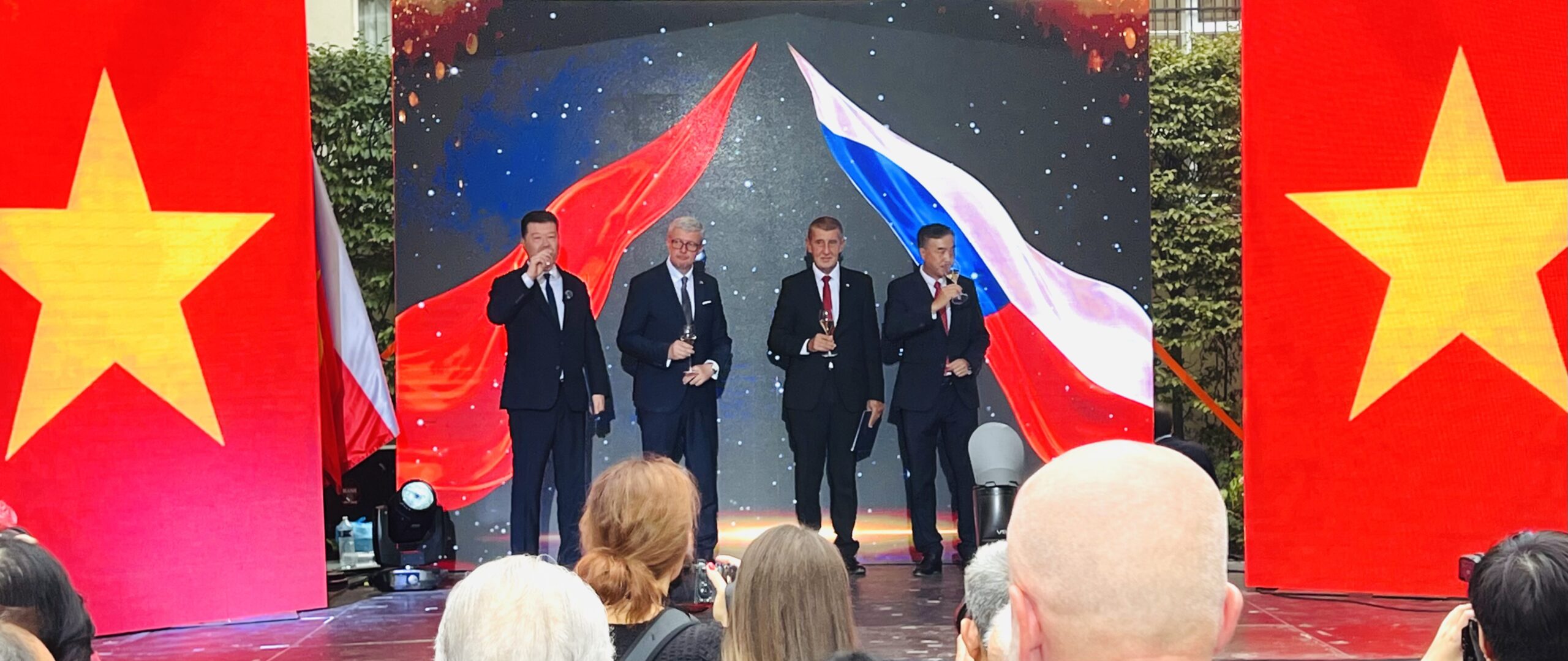
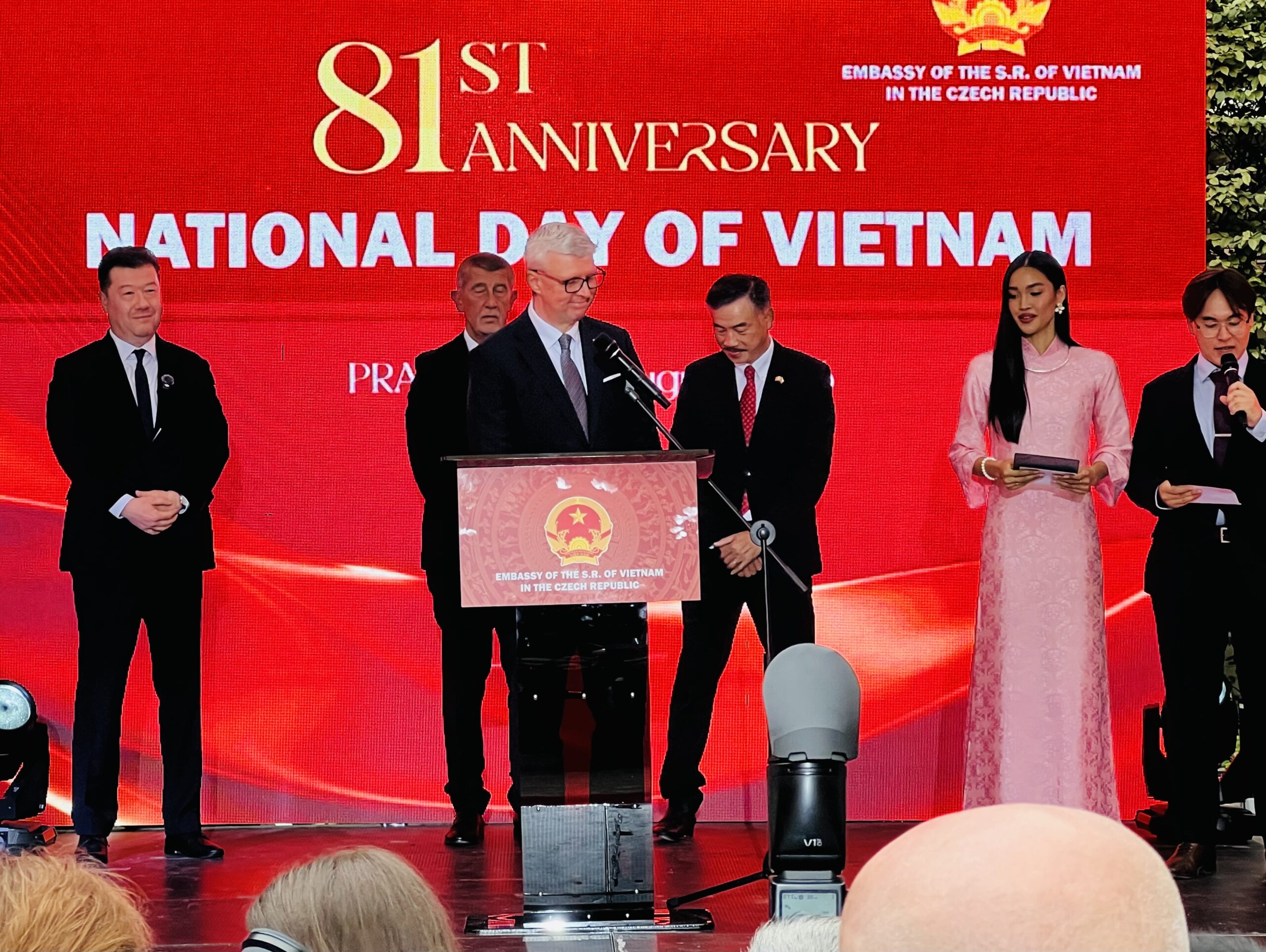
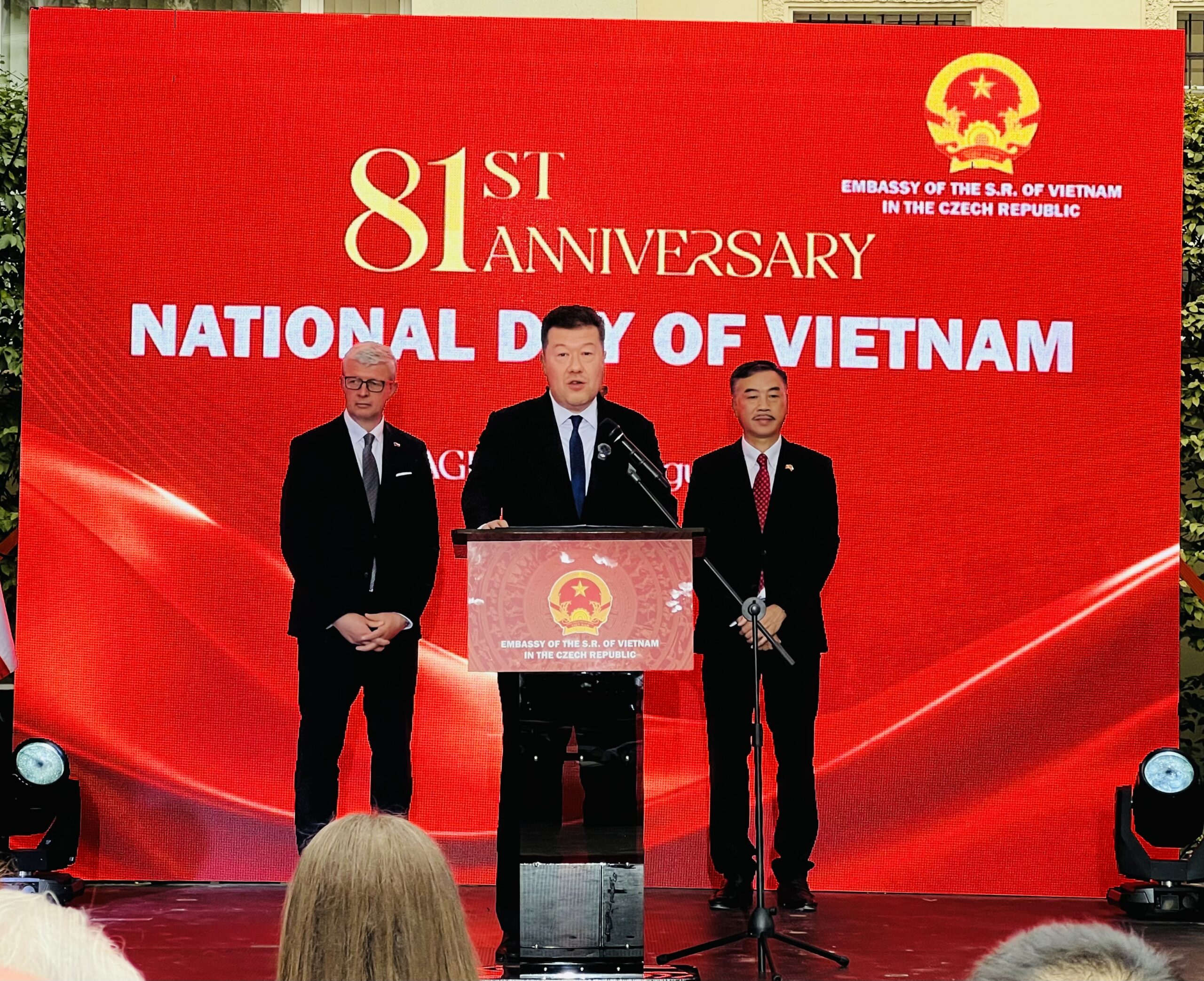
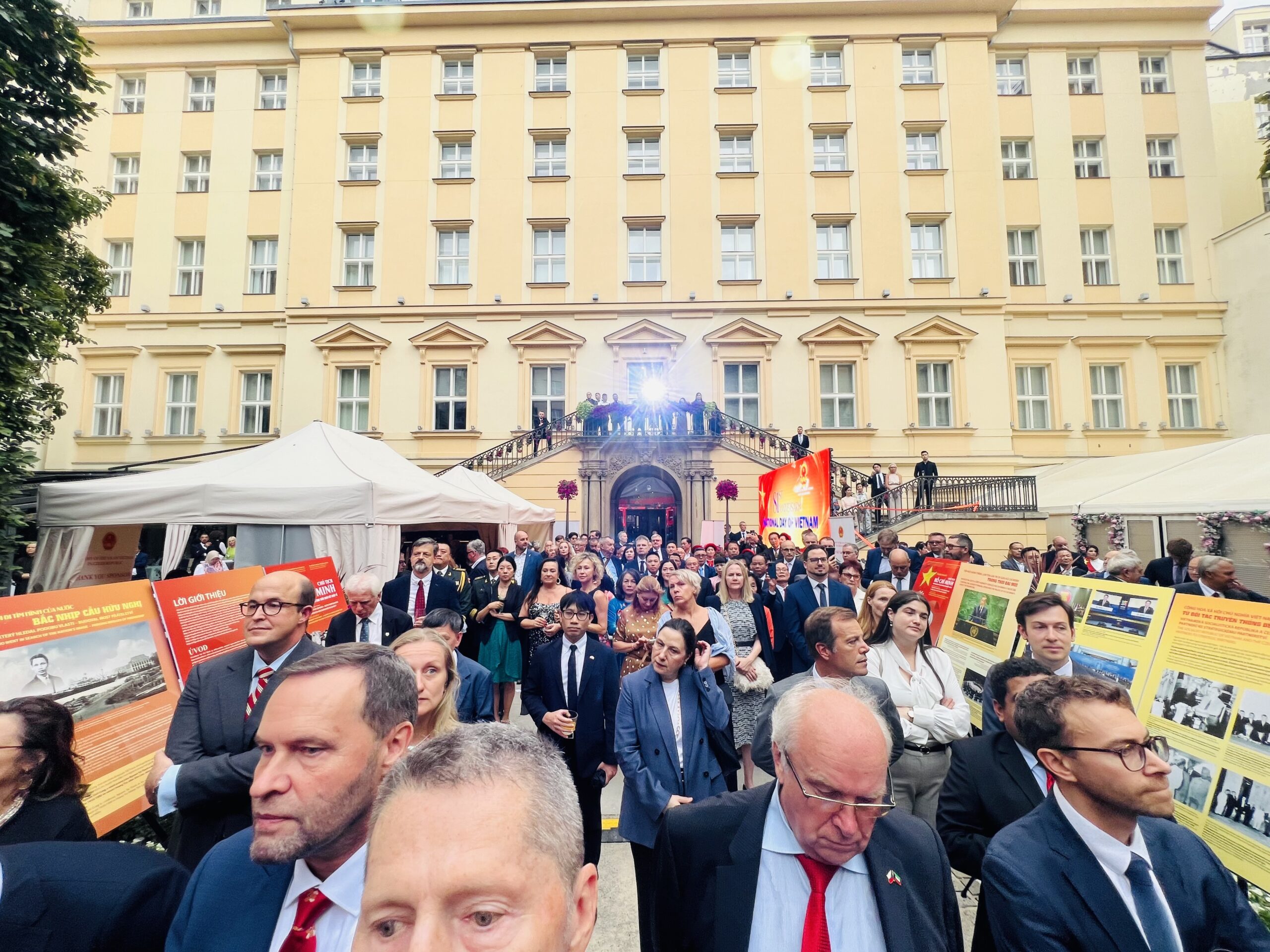
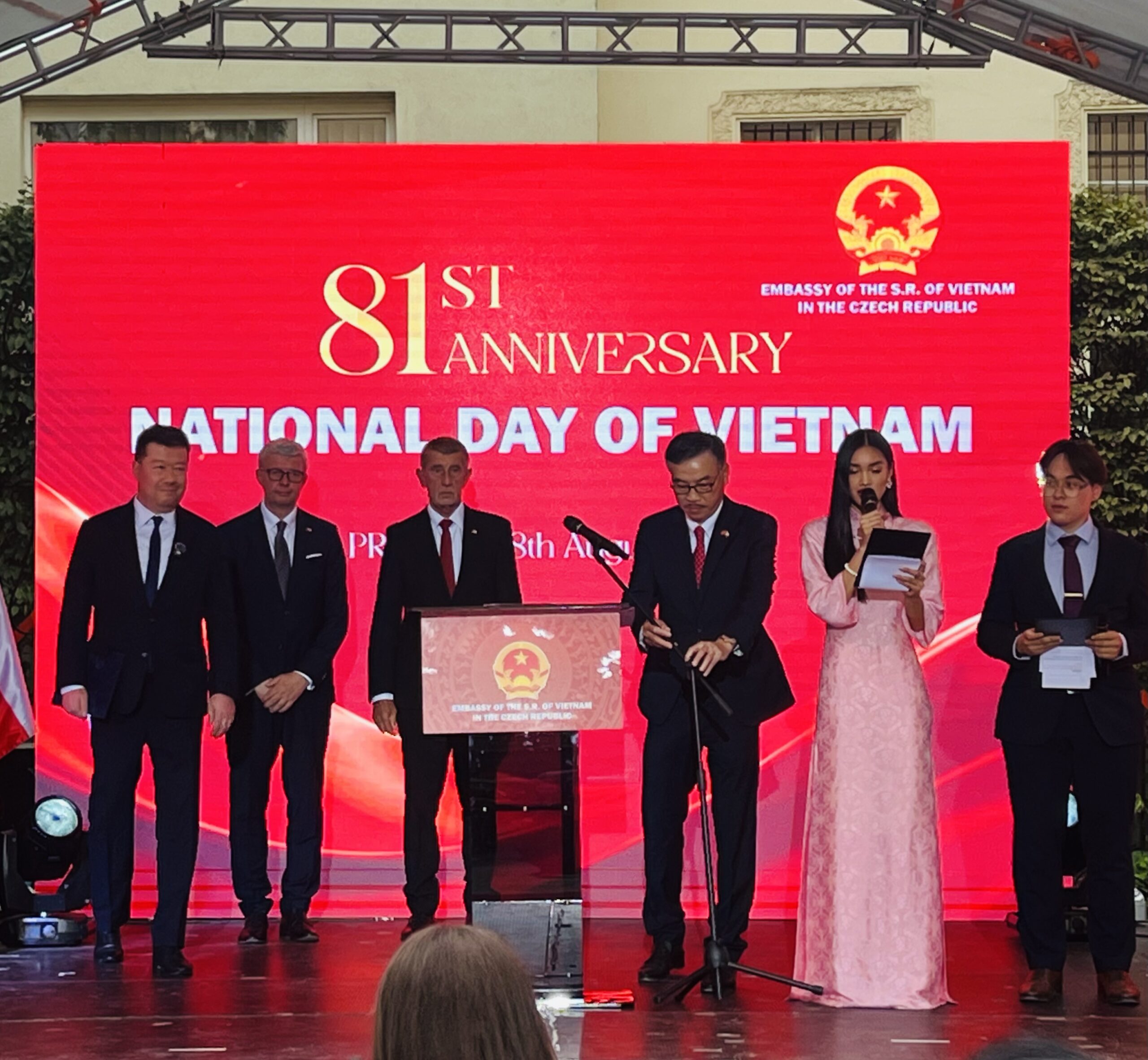
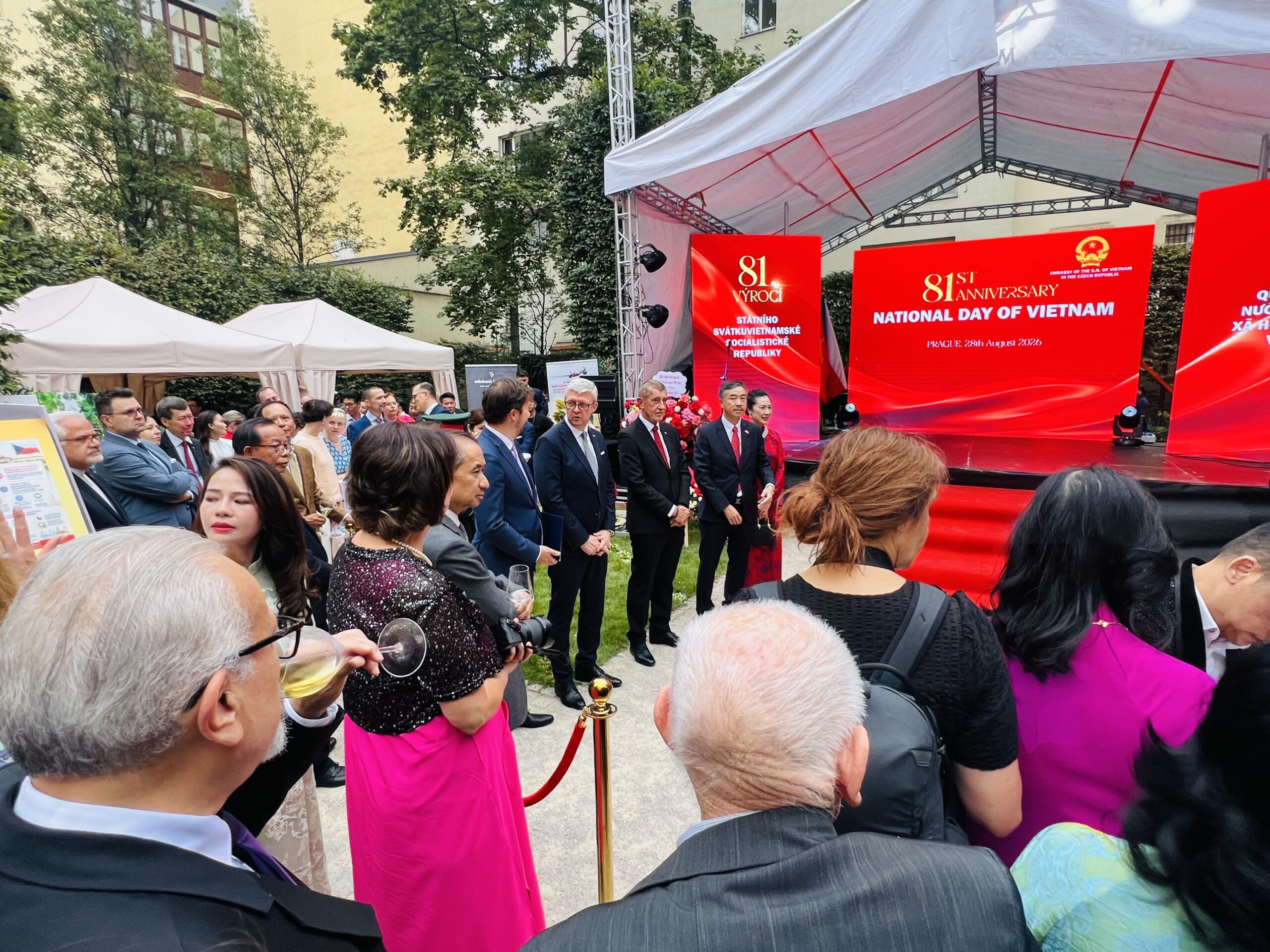
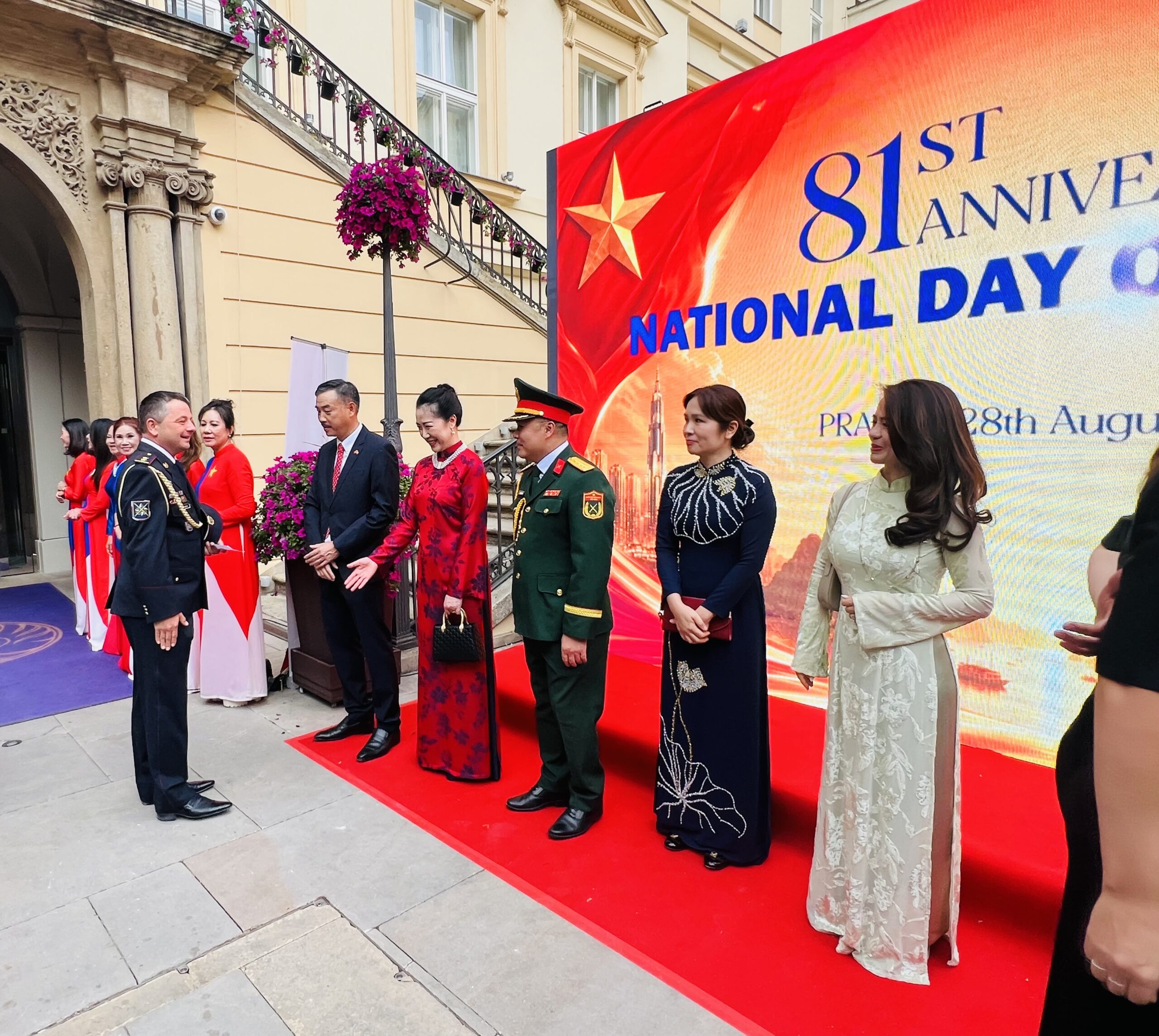
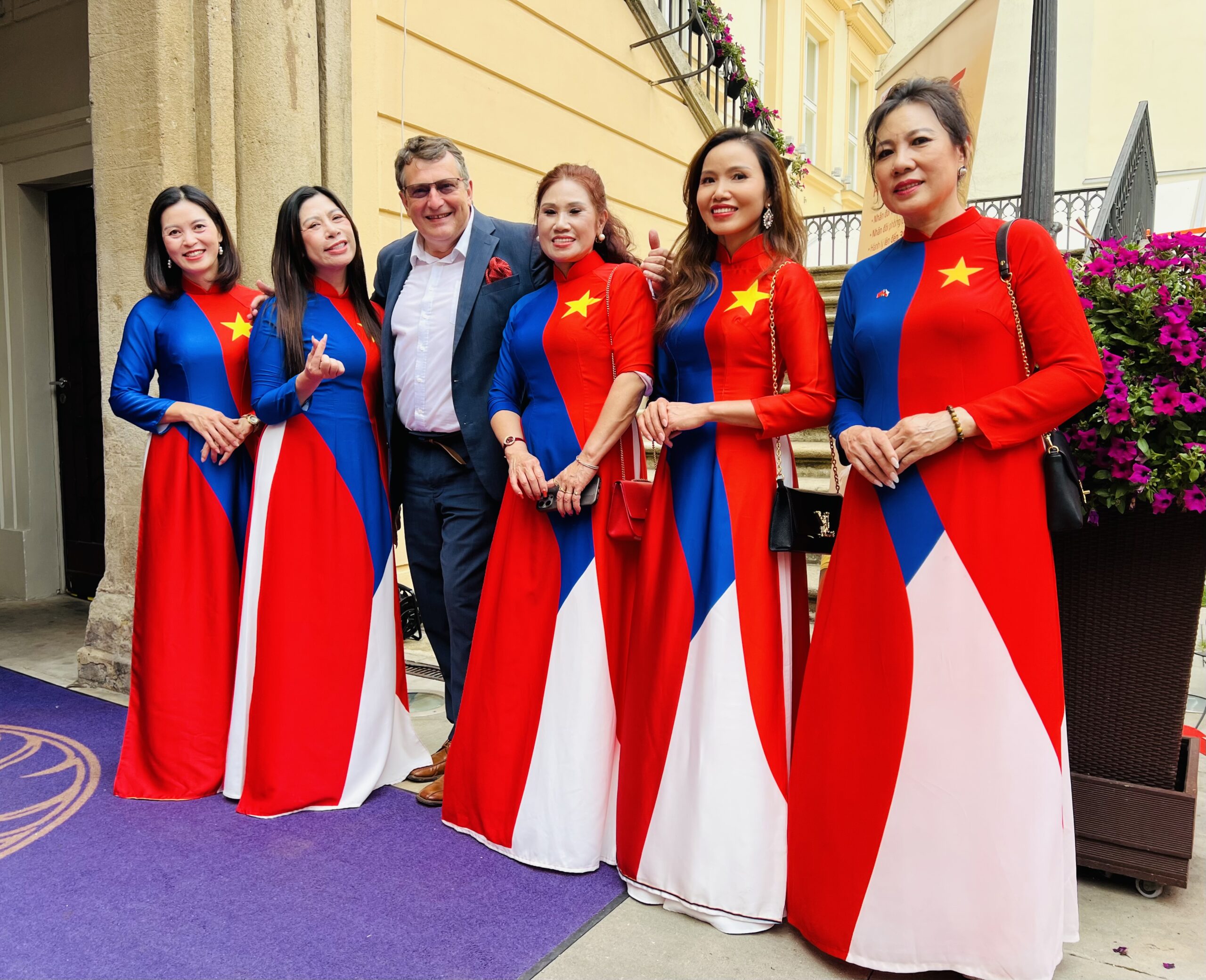
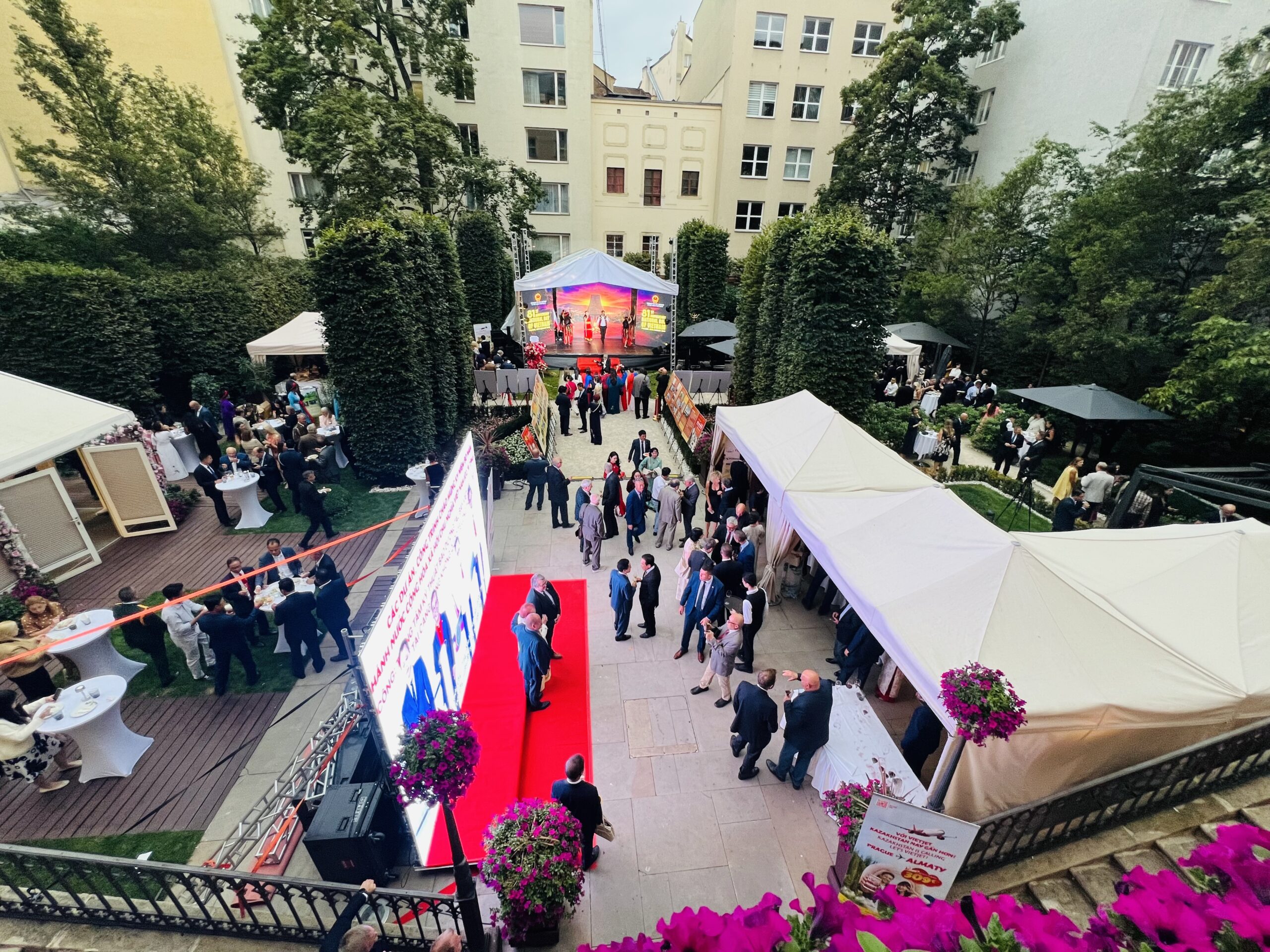
On Friday, 28 August 2026, the Embassy of the Socialist Republic of Vietnam hosted a festive reception marking the 81st anniversary of Vietnam’s National Day. The elegant courtyard of The Grand Mark Prague provided an ideal setting: historic architecture, a refined atmosphere, and a late-summer ambiance that gave the many guests ample opportunity to meet and talk.
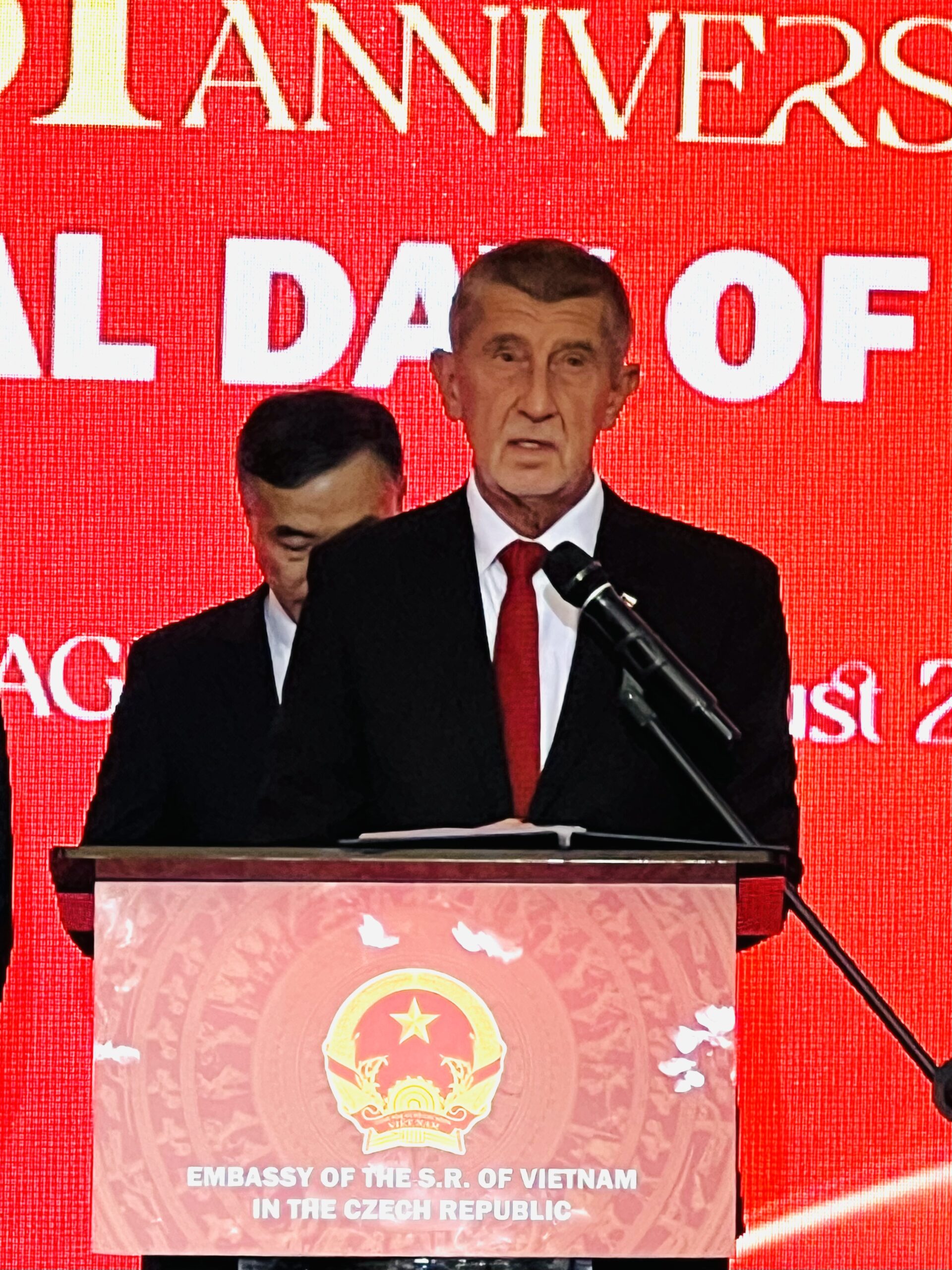
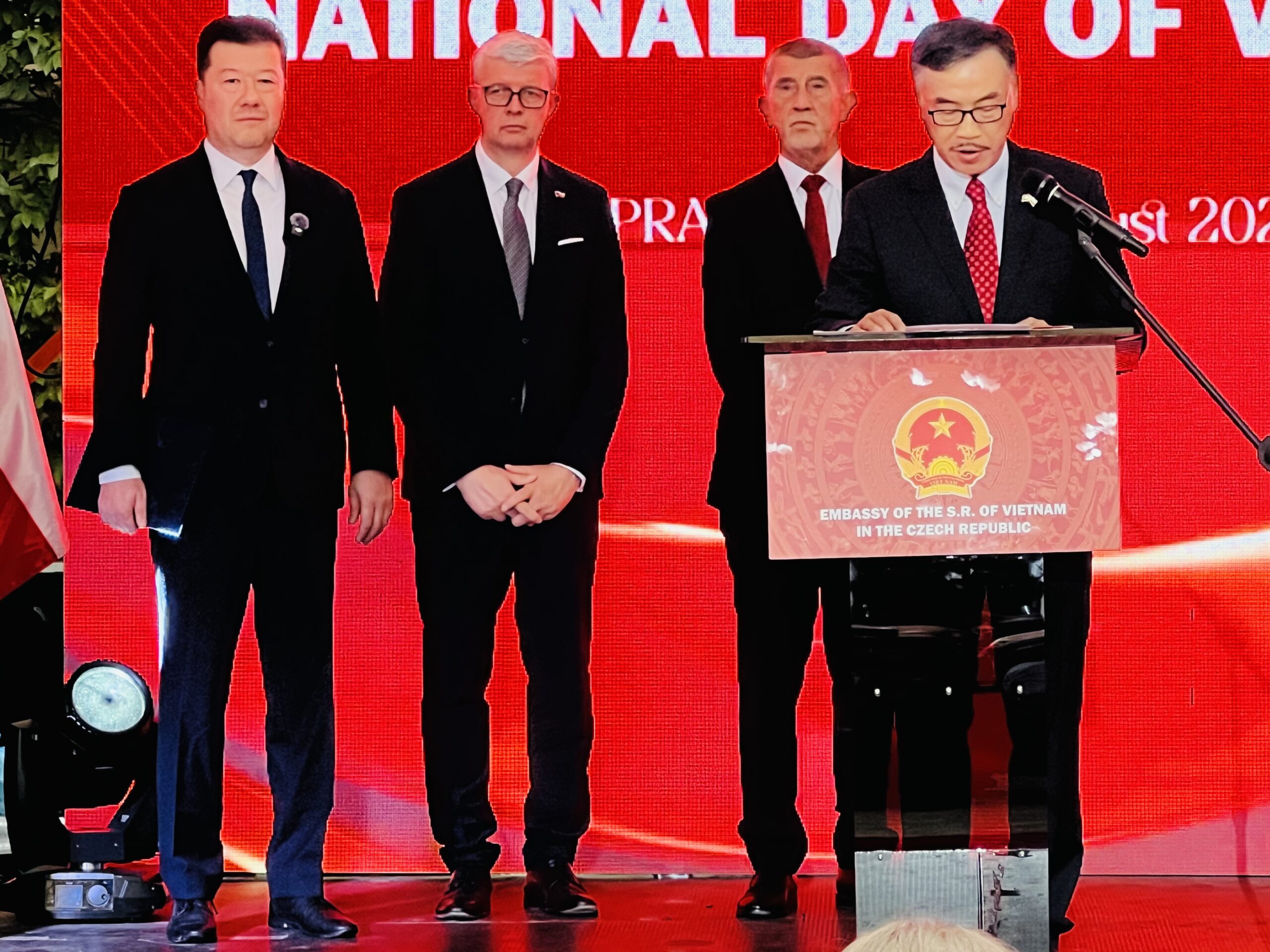
The evening was hosted by the Ambassador of Vietnam to the Czech Republic, H.E. Dương Hoài Nam. The distinguished guests included Czech Prime Minister Andrej Babiš, President of the Chamber of Deputies of the Czech Parliament Tomio Okamura, and First Deputy Prime Minister and Minister of Industry and Trade Karel Havlíček. Also present was Lukáš Kaucký, the Czech Republic’s new Ambassador to Hanoi.
They were joined by numerous members of the diplomatic corps, representatives of the Czech Government and Parliament, leading figures from the Vietnamese community, and Vietnamese and Czech entrepreneurs. The strong political and business attendance once again demonstrated the special importance Vietnam has acquired in the Czech Republic’s international relations.
The Czech Armed Forces Band performed the national anthems of both countries. Vietnamese singers, dancers and martial artists then presented a colorful selection from their country’s cultural traditions. An accompanying exhibition recalled the life and legacy of President Hồ Chí Minh as well as the history of Vietnamese-Czechoslovak and, subsequently, Vietnamese-Czech relations.
A Nation with Thousands of Years of History
Vietnam’s National Day commemorates 2 September 1945. On that day, Hồ Chí Minh read the Declaration of Independence in Hanoi’s Ba Đình Square and proclaimed the Democratic Republic of Vietnam.
The country’s history, however, reaches back much further. Văn Lang, which, according to Vietnamese historiography, emerged in the seventh century BC, is regarded as the first early state on the territory of present-day Vietnam. After more than a thousand years of rule by successive Chinese dynasties, the Vietnamese victory on the Bạch Đằng River in 938 opened a new era of state independence. Under several dynasties, Đại Cồ Việt, and later Đại Việt, developed into a major kingdom in Southeast Asia. Hanoi, then known as Thăng Long, became the imperial capital in 1010.
During the nineteenth century, Vietnam increasingly came under French control. Colonial expansion began in 1858, and from 1887 Vietnam formed part of French Indochina. During the Second World War, Japanese forces occupied the country but initially left the French colonial administration in place. Only in March 1945 did Japan completely remove the French authorities.
Following Japan’s surrender, the Việt Minh independence movement led by Hồ Chí Minh used the resulting power vacuum. The August Revolution led to the abdication of Emperor Bảo Đại and culminated in the historic Declaration of Independence on 2 September 1945.
Hồ Chí Minh consequently became the central symbolic figure of modern Vietnam. He had spent many years abroad, helped establish the Communist Party of Vietnam in 1930, and brought together different strands of the anti-colonial resistance. His political message combined social renewal with the demand for national self-determination.
France did not recognize the new republic. The First Indochina War followed, ending in 1954 with the Vietnamese victory at Điện Biên Phủ and the Geneva Agreements. French colonial rule was thereby brought to a definitive end, although the country remained temporarily divided along the 17th parallel.
The Declaration of Independence in 1945, the end of French rule in 1954 and national reunification in 1975 therefore represent three successive decisive stages in Vietnam’s modern history. The war ended with the fall of Saigon on 30 April 1975. On 2 July 1976, reunification was formally completed with the establishment of the Socialist Republic of Vietnam.
A Friendship Dating Back to 1950
In his welcoming address, Ambassador Dương Hoài Nam recalled that Czechoslovakia was among the first countries to establish diplomatic relations with the Democratic Republic of Vietnam in 1950. Those early ties grew into a friendship that has endured for more than seven decades.
Czechoslovakia supported Vietnam’s economic development and the training of skilled professionals. Thousands of Vietnamese citizens came to study, receive vocational training, or work in Czechoslovakia. These personal experiences created bonds that survived political change and the dissolution of Czechoslovakia. Vietnam recognized the independent Czech Republic immediately after its establishment.
In January 2025, during Vietnamese Prime Minister Phạm Minh Chính’s visit to Prague, the relationship was elevated to a Strategic Partnership. The framework encompasses trade and investment, defense and security, science, education, innovation, tourism and cultural exchange.
Ambassador Dương Hoài Nam described the partnership as forward-looking and emphasized Vietnam’s wish to expand cooperation, particularly in business, defense, education and technology. He expressed high expectations for Prime Minister Babiš’s planned visit to Vietnam in November, accompanied by a substantial business delegation.
A particularly warm moment came when the Ambassador noted that 2 September is not only Vietnam’s National Day but also Andrej Babiš’s birthday. Accompanied by personal congratulations, this charming historical coincidence underlined the friendly atmosphere of the evening.
People as the Strongest Foundation
Prime Minister Andrej Babiš stressed that although the Czech Republic and Vietnam are separated by thousands of kilometers, they are much closer than a map might suggest. Their most valuable bond, he said, is their people.
Over the decades, the Vietnamese community has become a respected and integral part of Czech society. Its members establish businesses, work, study and raise their families while preserving their cultural traditions. Babiš particularly praised their diligence, entrepreneurial spirit and the importance they attach to family and education.
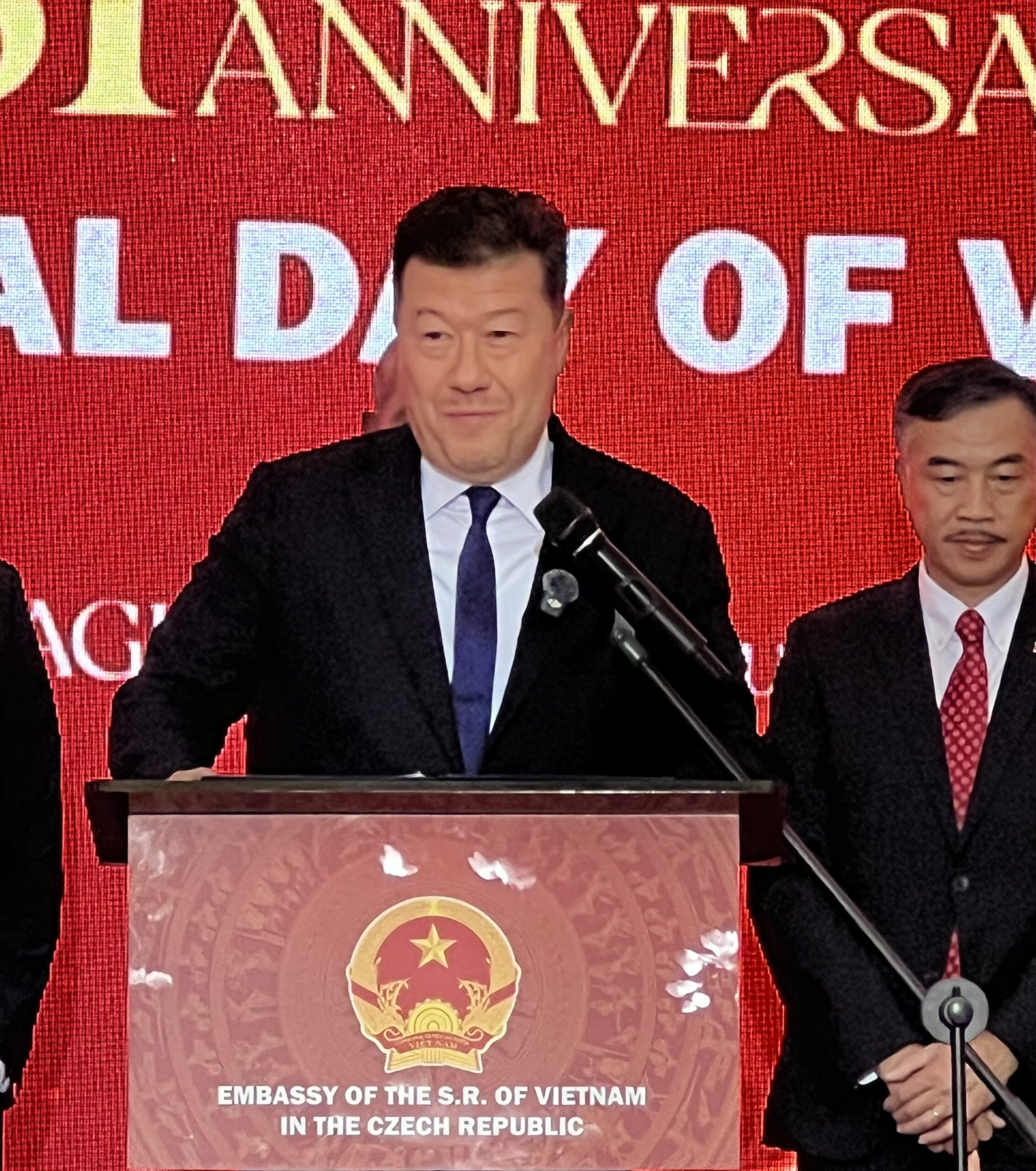
Tomio Okamura likewise placed human connections at the centre of his remarks. The strength of the partnership, he argued, was not founded solely on diplomatic declarations or trade agreements. Many Vietnamese people had developed a personal bond with the former Czechoslovakia through study or work. Today, the younger generation of Czech citizens of Vietnamese origin is succeeding in a wide range of professions while connecting the culture of its parents and grandparents with life in the Czech Republic.
Okamura described these people as a unique bridge between the two countries. On this foundation, trade, investment, tourism, education and personal contacts could continue to expand. The Czech Republic, he said, wanted to remain a reliable partner for Vietnam in Europe.
The Vietnamese community has been officially recognized as one of the Czech Republic’s national minorities since 2013. Its total size—including naturalized Czech citizens, their children and other people of Vietnamese heritage—is commonly estimated at around 100,000. Official statistics recorded exactly 69,685 Vietnamese citizens residing in the Czech Republic on 31 December 2025. The difference is largely because naturalized Czechs of Vietnamese origin are no longer counted as foreign citizens.
Dynamic Economic Relations
Industry and Trade Minister Karel Havlíček provided the evening’s most concrete economic figures. Vietnam is now the Czech Republic’s most important trading partner in Southeast Asia. According to Havlíček, bilateral trade reached approximately USD 5 billion for the first time in 2025 and could rise to as much as USD 7 billion in 2026.
Czech companies are active in Vietnam in automotive manufacturing, energy and mining technology, aviation, defense and security, and financial services. Havlíček specifically mentioned Škoda Auto, OMNIPOL, F AIR and ENELEX.
A major milestone was the opening of the joint assembly plant operated by Škoda Auto and the Thanh Cong Group in the northern Vietnamese province of Quảng Ninh. From there, Škoda can serve not only Vietnam’s domestic market but, in the longer term, other parts of the ASEAN region.
In the other direction, electronics, mobile phones, software, textiles, footwear and food are among Vietnam’s most important products on the Czech market. Vietnamese coffee, cashew nuts, fruit and a wide variety of culinary specialties have long enjoyed considerable popularity.
Further opportunities are emerging in railways and transport infrastructure, energy, defense, modern technologies, aviation, tourism and vocational education. Prime Minister Babiš also advocated a balanced framework for labor migration in professions where the Czech economy has a genuine need for additional workers.
A highly visible symbol of the increasingly close relationship will be the direct air service between Hanoi and Prague. Vietjet plans to begin operating the route on 10 October 2026, initially with two weekly Airbus A330 return flights. The connection will bring together not only two capitals, but also families, entrepreneurs, students, tourists and friends.
A Diplomat with Extensive International Experience
Ambassador Dương Hoài Nam took up his post in Prague in March 2024 and presented his credentials on 4 March. He can look back on a diplomatic career spanning more than three decades.
From 1994 to 2004, he worked on United States policy and US-Vietnam relations. Between 2004 and 2010, he served as First Secretary at Vietnam’s Permanent Mission to the United Nations in New York. During Vietnam’s first term as a non-permanent member of the UN Security Council in 2008 and 2009, his portfolio included issues concerning the Americas, Europe and the Horn of Africa.
He later became Deputy Director-General of the Department of Multilateral Economic Cooperation and joined Vietnam’s government team for international trade negotiations. In that capacity, he participated in talks on the Trans-Pacific Partnership, the EU-Vietnam Free Trade Agreement and further agreements with Korea, the EFTA states and the Eurasian Economic Union.
From 2017, he served as Deputy Head of Mission at the Vietnamese Embassy in Australia. He subsequently became Deputy Spokesperson of the Ministry of Foreign Affairs and Director-General of its Department of Translation and Interpretation. In that role, he accompanied Vietnam’s senior leaders on numerous bilateral visits and to important international conferences.
Dương Hoài Nam holds a bachelor’s degree in English from Hanoi National University and a master’s degree in International Policy and Practice from George Washington University. In Prague, he has pursued three particular goals: deepening economic and political relations, promoting Vietnamese culture and supporting the Vietnamese community as a human bridge between the two countries.
An Evening of Friendship
The generous buffet of Vietnamese specialties gave guests an opportunity to experience the country’s culinary diversity. The music, dance, folklore, and martial-arts performances added a vibrant cultural dimension to the occasion’s political and economic significance.
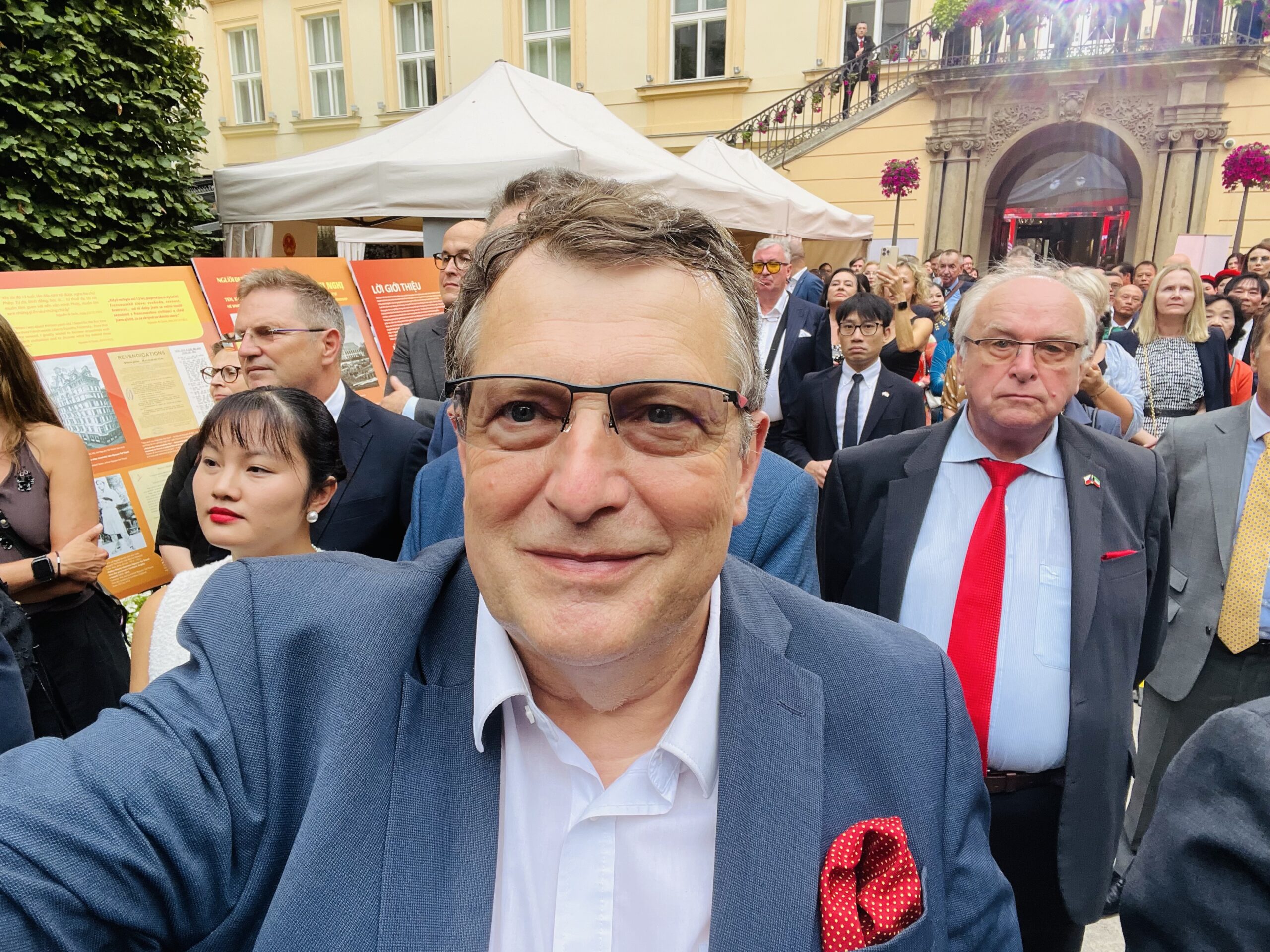
Conversations continued in the courtyard of The Grand Mark Prague until around half past eight, as old contacts were renewed and new connections established. The reception then gradually drew to a close.
The evening demonstrated impressively that Czech-Vietnamese relations extend far beyond protocol. They rest on a long shared history, growing economic interests and, above all, people who feel at home in both cultures. This combination of tradition, personal closeness, and a forward-looking spirit makes the partnership between Vietnam and the Czech Republic so exceptional.
Recent posts
See AllPrague Forum Membership
Join us
Be part of building bridges and channels to engage all the international key voices and decision makers living in the Czech Republic.
Become a member